
Rosacea: Symptoms, Causes and Treatment
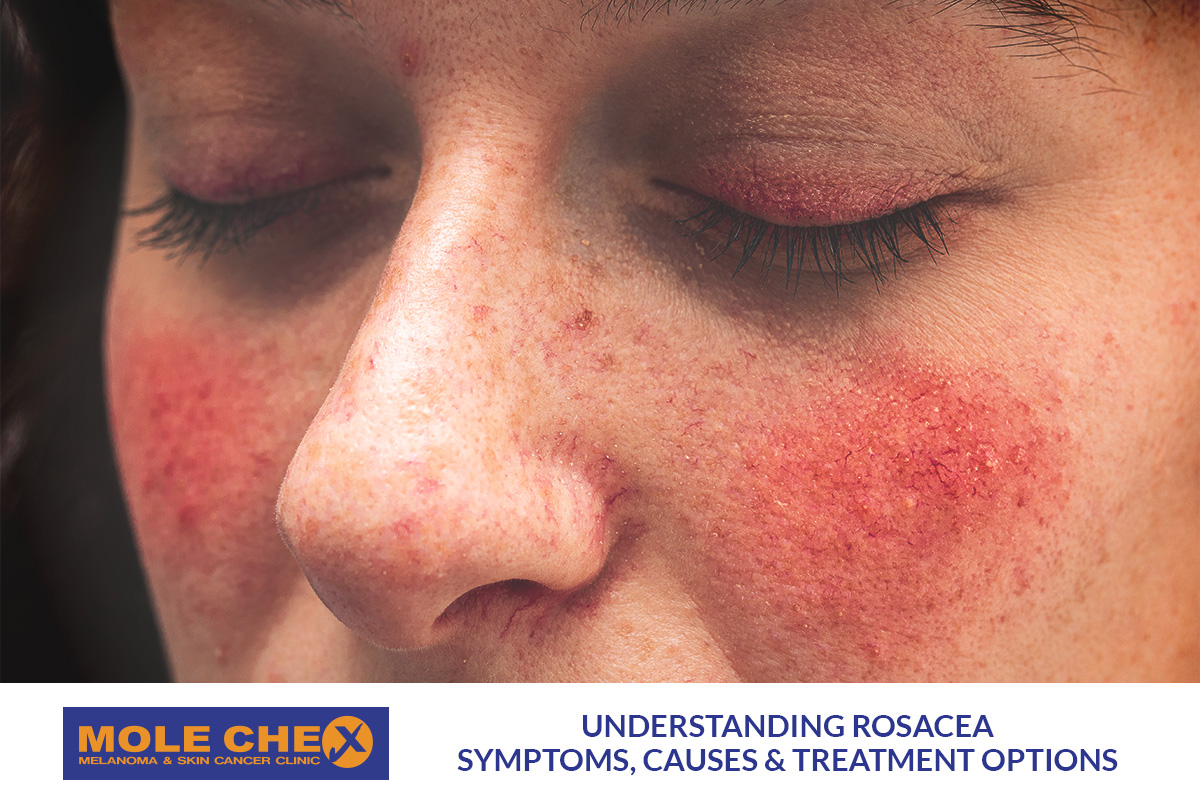
Rosacea is a common chronic skin condition that affects the central areas of the face, including the cheeks, nose and chin. Over time, it can cause persistent redness, flushing, visible blood vessels or acne-like bumps. While it is not contagious, it often worsens without proper management. In this article, we explain what it is, how it presents, what commonly triggers symptoms and how professional treatment in Brisbane can help manage flare-ups and protect long-term skin health.
First, this article explains what rosacea is and who it commonly affects. Next, it outlines the different types of it and their symptoms. It then explores common triggers, how doctors diagnose it and the treatment options available. Finally, it explains when to seek medical advice and why early intervention matters.
What is Rosacea?
Rosacea is a chronic inflammatory skin condition that primarily affects the face. It commonly causes facial redness, flushing and visible blood vessels. In some cases, it also leads to acne-like bumps or irritation around the eyes.
Rosacea most often develops in adults between 30 and 50 years of age, and appears more frequently in people with fair skin. Although it may resemble acne, it behaves differently and requires a specific treatment approach. While no cure exists, early diagnosis and treatment can significantly reduce symptoms and flare-ups.
Types of Rosacea
It is present in several forms and some people experience more than one type at the same time.
- Erythematotelangiectatic rosacea causes frequent flushing, persistent facial redness and visible blood vessels, particularly on the cheeks and nose.
- Papulopustular rosacea results in red bumps and pus-filled pimples that resemble acne but usually lack blackheads.
- Phymatous rosacea leads to thickened, uneven skin texture and most commonly affects the nose.
- Ocular rosacea affects the eyes and eyelids, causing redness, dryness, irritation or blurred vision.
By identifying the type present, doctors can tailor treatment more effectively.
Common Symptoms of Rosacea
Symptoms vary depending on the type and severity of rosacea. Initially, many people notice flushing or redness that appears during triggers and fades afterwards. However, over time, this redness often becomes more persistent.
In addition, small visible blood vessels may appear on the skin and the face may feel warm, sensitive or sting. Some people develop inflammatory bumps, while others experience eye symptoms such as dryness, irritation or light sensitivity. Without treatment, these symptoms often progress and become more difficult to manage.
What Causes Rosacea and Common Triggers
Although doctors do not know the exact cause of it, they believe a combination of genetic, immune and environmental factors contributes to its development.
Moreover, many people notice that specific triggers worsen their symptoms. Common triggers include sun exposure, hot or cold weather, spicy foods, hot drinks, alcohol and emotional stress. Physical exertion, hot showers, certain medications and irritating skincare products may also aggravate it.
For this reason, keeping a trigger diary often helps individuals recognise patterns and reduce flare-ups.
How Doctors Diagnose it
Doctors usually diagnose it by reviewing medical history and examining the skin. In most cases, no tests are required. However, when symptoms appear unusual, doctors may recommend further investigations to rule out other conditions that cause facial redness or inflammation.
Importantly, early diagnosis allows doctors to start appropriate treatment and reduce the risk of progression and complications.
Treatment and Management Options
Although rosacea cannot be cured, treatment focuses on controlling symptoms, reducing flare-ups and strengthening the skin barrier.
Self-Care Measures
Firstly, avoiding known triggers plays a key role in managing it. In addition, using gentle, fragrance-free skincare products and protecting the skin from sun exposure helps minimise irritation. People with it should also avoid topical steroid creams on the face unless specifically advised by a doctor, as these can worsen symptoms.
Medical Treatments
When symptoms persist, doctors may prescribe topical treatments to reduce redness and inflammation or oral medications to manage more moderate symptoms. Furthermore, laser or light-based treatments can reduce visible blood vessels and long-standing redness in suitable cases.
Because it affects individuals differently, doctors personalise treatment plans based on skin type, severity and response to therapy.
Possible Complications of Rosacea
If left untreated, it can lead to complications. Phymatous rosacea may cause significant skin thickening, particularly around the nose. Additionally, untreated ocular rosacea can affect eye health and vision. Early medical care helps reduce the risk of these outcomes.
When to See a Doctor?
Anyone who experiences persistent facial redness, flushing, acne-like bumps or eye irritation should seek medical advice. Early assessment allows doctors to confirm the diagnosis, identify triggers and begin appropriate management before symptoms worsen.
Managing Rosacea
With consistent care and professional guidance, most people successfully manage its symptoms. By combining trigger avoidance, gentle skincare and medical treatment where needed, individuals can maintain comfortable, healthy-looking skin.
Frequently Asked Questions About Rosacea
It is a chronic skin condition that mainly affects the face. It commonly causes redness, flushing, visible blood vessels and, in some cases, acne-like bumps or eye irritation.
No. It is not contagious and cannot be passed from one person to another.
Common triggers include sun exposure, hot or cold weather, spicy foods, alcohol, hot drinks, stress and certain skincare products. Triggers vary between individuals.
There is no cure for rosacea. However, treatment and lifestyle adjustments can help control symptoms and reduce flare-ups.
You should see a doctor if you notice persistent facial redness, flushing, acne-like bumps or eye irritation that does not improve.
How Molechex can help
Molechex provides professional skin assessments in Brisbane to help identify rosacea, understand triggers and support ongoing skin health through personalised medical care.
Learn more by reading other articles :