
Infections from Animals
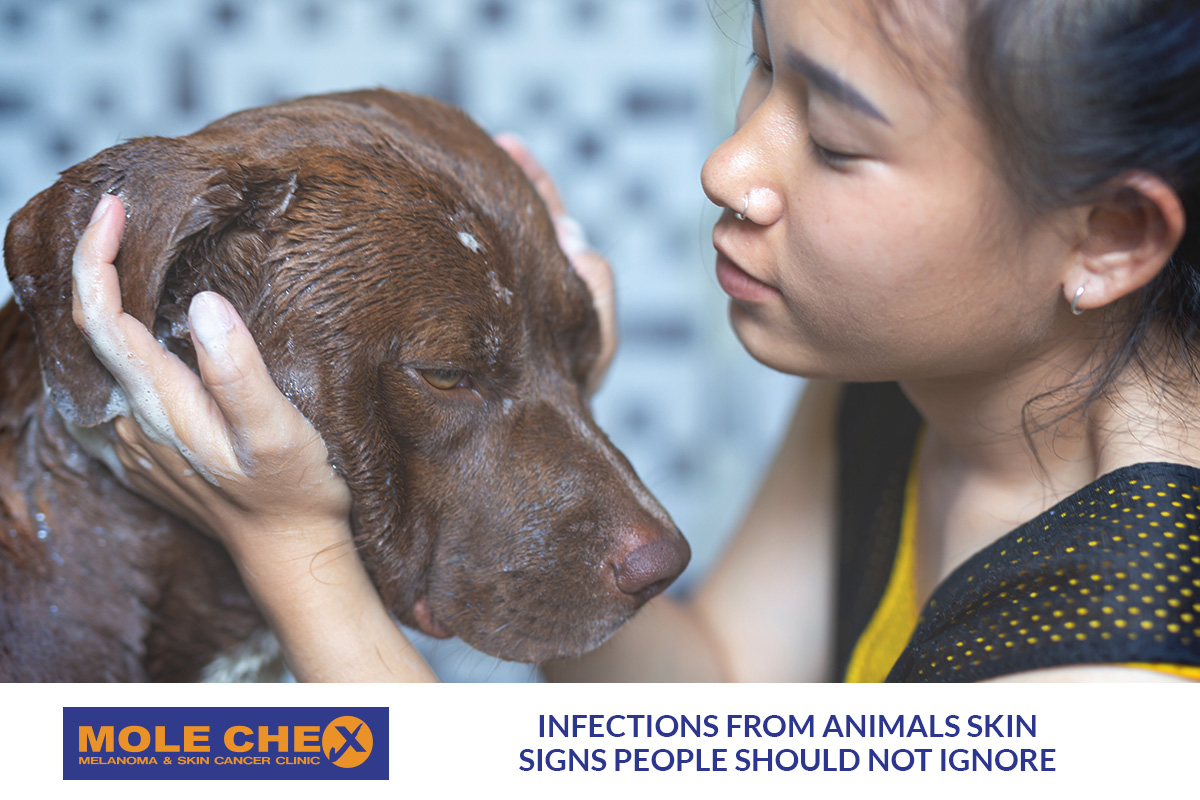
Animals are part of everyday life for many Brisbane families. Dogs, cats, birds, wildlife and farm animals can bring joy, companionship and connection. But animal contact can also cause skin injuries, bites, scratches and infections that should not be ignored.
Most minor scratches heal without major problems. However, when the skin is broken, bacteria can enter the wound and cause redness, swelling, pain or discharge. Some animal-related infections can progress quickly, especially in children, older adults, people with diabetes, people with immune system conditions, or those taking immune-suppressing medicines.
Molechex Skin Cancer and Melanoma Clinic provides skin-related medical services in Brisbane, including skin checks, skin cancer detection, diagnosis, treatment, surgical procedures and annual reviews. Its team includes skin and health professionals experienced in the detection and treatment of skin cancers and melanomas.
What are animal-related skin infections?
Animal-related skin infections can happen after a bite, scratch, lick over broken skin, puncture wound, or contact with contaminated soil, saliva, claws, fur or animal environments. Dog and cat bites are among the most common animal bites requiring medical attention, and infection can occur when the skin is broken.
Common animal-related skin concerns may include:
- Dog bites or puncture wounds
- Cat scratches or bites
- Bird scratches
- Insect bites linked to pets or outdoor animals
- Wounds contaminated by animal saliva
- Skin irritation after contact with animals
- Rashes after exposure to animal bedding, soil or outdoor areas
- Non-healing wounds after a scratch or bite
Even a small puncture wound can trap bacteria under the skin. Cat bites, in particular, can appear minor on the surface but may be deeper than expected.
Warning signs of infection after an animal bite or scratch
After any animal bite or scratch, keep a close eye on the wound. Signs of infection can appear within hours or over the next few days.
Seek medical advice if you notice:
- Increasing redness around the wound
- Swelling, warmth or tenderness
- Pus, fluid or unpleasant discharge
- Red streaks spreading from the wound
- Fever, chills or feeling unwell
- Increasing pain instead of improvement
- Swollen glands near the bite or scratch
- A wound that is not healing
- A bite on the face, hand, joint or genitals
Bites on the hands, fingers and joints may need prompt assessment because infection can affect deeper tissues, tendons or joints.
What to do immediately after a bite or scratch
Good wound care matters. Queensland Health advises that if you are bitten or scratched, or if animal saliva enters broken skin, the wound should be washed gently and thoroughly with soap and clean water for at least 15 minutes. An antiseptic may be applied after washing if available.
Basic first steps include:
- Wash the area well with running water and soap
- Remove visible dirt or debris if safe to do so
- Apply antiseptic if available
- Cover with a clean dressing
- Avoid scratching or picking the wound
- Seek medical advice if the wound is deep, painful, dirty or worsening
You may also need advice about tetanus protection, antibiotics or further wound care depending on the injury.
Special warning: bats and flying foxes
In Queensland, bat or flying fox bites and scratches need urgent medical assessment. Queensland Health states that if you have been bitten or scratched by a bat, you should seek urgent medical assessment because post-exposure treatment is available.
Healthdirect also advises that people in Australia should not touch bats or flying foxes unless they are trained, vaccinated and wearing protective equipment, and that anyone scratched or bitten by a bat should go to hospital straight away.
Do not attempt to rescue or handle bats yourself. Contact trained wildlife carers, the RSPCA or appropriate local services.
Cat-scratch disease and swollen glands
Cat scratches can sometimes lead to cat-scratch disease, a bacterial infection that may begin with a small lump or sore near the scratch, followed later by swollen lymph glands. SA Health notes that cat-scratch disease is bacterial and may start with a small lump before swelling of nearby lymph glands.
Symptoms may include:
- A small bump or blister near the scratch
- Swollen glands in the armpit, neck or groin
- Tiredness or mild fever
- Tenderness around the affected area
If symptoms develop after a cat scratch, it is sensible to speak with a GP.
When skin wounds look like something else
Not every sore, scab or irritated patch is an infection. Sometimes a lesion that appears to be a “scratch that will not heal” may actually be another skin concern. This is particularly important in Brisbane, where sun exposure is high and many people have a history of outdoor activity.
A sore should be assessed if it:
- Keeps bleeding or crusting
- Does not heal after several weeks
- Grows or changes shape
- Looks pearly, scaly, raised or ulcerated
- Feels tender, itchy or irritated
- Appears on sun-exposed areas such as the face, ears, neck, arms or hands
Molechex provides skin checks, biopsies, topical therapies and surgical excisions where clinically appropriate, with doctors focused on early detection and management of skin cancer.
How Molechex can help Brisbane patients
Molechex offers skin checks, skin cancer treatment, surgical procedures, skin rejuvenation, cosmetic services and injectable treatments in Brisbane. For patients with ongoing skin concerns, a consultation can help assess whether a lesion is likely to be an infection, irritation, wound-healing issue, sun damage or a suspicious skin change requiring further review.
A GP skin assessment may be helpful if you have a wound that will not heal, a rash after animal contact, a mole or spot that has changed, or a skin injury that has become inflamed.
Practical prevention tips around animals
Simple habits can reduce the chance of skin infection:
- Wash hands after handling animals
- Keep pet nails trimmed
- Clean animal scratches promptly
- Avoid rough play that causes bites or scratches
- Do not allow animals to lick open wounds
- Wear gloves when cleaning animal bedding or cages
- Keep wounds covered during healing
- Seek advice early if a bite is deep or worsening
Conclusion
If you have a bite, scratch, rash, wound or sore that is not healing, Molechex can support you with skin assessment and GP-led care in Brisbane. The clinic provides comprehensive skin checks, mole assessments, skin cancer detection and treatment planning, helping patients understand whether a skin concern needs monitoring, wound care, biopsy or further treatment.
* Note: The tips and general prevention tips are for information purposes only and should not be considered as medical advice. Molechex recommends individuals to assess their skin via a professional doctor and does.
Learn more by reading other articles :