
Avoiding Harmful Ingredients for Stress-Free Skin Care
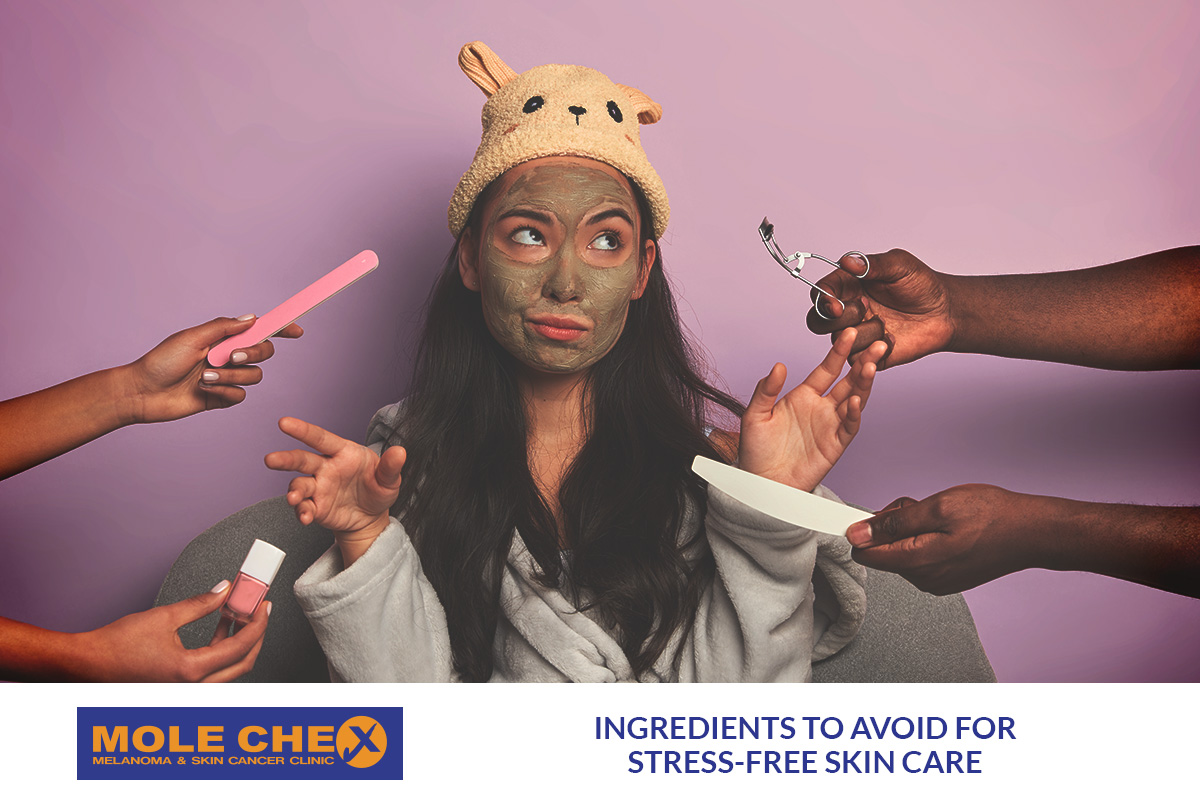
If you are shopping for skincare in Australia, it is important to look beyond the packaging. While our food and medicine are heavily regulated, many personal care and cosmetic products still contain potentially harmful ingredients. From hormone disruptors to skin irritants, these substances can negatively impact your health and your skin. That’s why Avoiding Harmful Ingredients for Stress-Free Skin is more than a trend it is a smart, proactive approach to skincare. In this guide, we will explore which skincare ingredients to avoid, safe alternatives and how to choose clean, skin-friendly products for a healthier routine.
What You’ll Learn in This Article
- Why skincare ingredient safety is essential in Australia
- Harmful skincare ingredients still found in cosmetic products
- Safer natural alternatives for daily skincare
- Tips for sensitive skin, acne-prone skin and mature skin
- Why professional skin health advice matters
Why Ingredient Safety Matters in Australian Skincare
Many Australians assume skincare products are completely safe, but not all are thoroughly regulated. The Australian Industrial Chemicals Introduction Scheme (AICIS) oversees chemicals used in cosmetics, while the Therapeutic Goods Administration (TGA) regulates therapeutic skincare products. However, unless a product is classified as a medicine or treatment, it may contain ingredients that are not rigorously tested or restricted.
Additionally, Australia has one of the highest levels of PFAS exposure globally these ‘forever chemicals’ are found in some long-lasting cosmetics and sunscreens. According to the Department of Health and Aged Care, PFAS have been linked to hormonal changes, cancer risks and reproductive health issues. From 2025, Australia will begin restricting some PFAS chemicals, but many remain in circulation.
Harmful Skincare Ingredients to Avoid
If you want to protect your skin and health, here are some of the top skincare ingredients to avoid:
PFAS (Per- and Polyfluoroalkyl Substances)
Commonly found in waterproof and long-wear cosmetics, PFAS accumulate in the body and environment. Exposure may lead to immune disruption, fertility problems and cancer. These substances are currently under review by Australian health authorities.
PEGs (Polyethylene Glycols)
Used in creams and cleansers for a smooth texture, PEGs can irritate sensitive skin and increase chemical absorption.
Parabens (Methylparaben, Propylparaben)
Parabens act as preservatives but may mimic oestrogen and interfere with hormone regulation. Although not yet banned, many Australians are opting for paraben-free skincare.
Phthalates
Often hidden under “fragrance” labels, phthalates help scents last longer but may disrupt endocrine function and affect reproductive health.
Formaldehyde & Formaldehyde-Releasing Agents
These ingredients may appear in shampoos, soaps and nail polishes. Known as skin allergens and possible carcinogens, they can cause both short-term irritation and long-term health risks.
Oxybenzone
Found in some chemical sunscreens, oxybenzone may disrupt hormones and cause allergic reactions. While still legal in Australia, it is banned in several countries due to health and environmental concerns.
Aluminium Compounds
Used in antiperspirants and some cosmetic powders, aluminium may irritate the skin. Though evidence is inconclusive, ongoing research is assessing potential links to breast tissue and neurological issues.
Safer Skincare Alternatives for Australians
To keep your skin healthy without the risks, try these proven and safe alternatives:
Tea Tree Oil (Melaleuca alternifolia)
A powerful Australian native extract known for its antibacterial and anti-inflammatory properties. Great for acne-prone and sensitive skin.
Glycerine
A naturally derived humectant that hydrates without clogging pores. Ideal for dry, dehydrated and sensitive skin types.
Virgin Coconut Oil
Moisturises and supports the skin barrier. Use in moderation if you are acne-prone.
Elderberry Extract
Rich in antioxidants and vitamin C. May help improve skin tone and provide anti-ageing support.
Willow Bark Extract
A natural source of salicylic acid. Helps exfoliate, unclog pores and reduce oil without irritating the skin.
Tailored Skincare Tips for Every Skin Type
Understanding your skin type helps you avoid unnecessary irritation and choose the right ingredients:
For Sensitive Skin, Eczema or Rosacea
Use fragrance-free, hypoallergenic products with minimal ingredients. Dermatologist-approved brands like are widely recommended in Australia.
For Acne-Prone Skin
Choose non-comedogenic, oil-free products. Avoid occlusive moisturisers and makeup that can trap oil and bacteria.
For Mature or Reactive Skin
Avoid layering too many active ingredients. Instead, build a simple, balanced routine with gentle actives suited to your skin’s tolerance level.
Avoid DIY Ingredients
Common kitchen items like lemon juice or baking soda can cause more harm than good. Stick to dermatologically tested products for safe, effective skincare.
Why Less Is More in Skincare
A complicated routine does not guarantee better results. In fact, too many active ingredients can strip the skin barrier and cause irritation. Simpler routines with clean, effective products tailored to your needs are often more beneficial in the long term.
If you are unsure which products are right for you, consult a skin-focused GP or cosmetic doctor. They can recommend ingredients and treatments that support your skin goals without exposing you to unnecessary risks.
Conclusion
Skincare in Australia is widely accessible but not always risk-free. While AICIS, TGA and the Department of Health and Aged Care provide oversight, many harmful chemicals remain in circulation. By avoiding PFAS, PEGs, parabens, phthalates, formaldehyde, oxybenzone and aluminium and opting for safer, natural alternatives, you can maintain healthy skin while reducing long-term risks.
At Molechex in Brisbane, our team of GPs skin health and cosmetic skincare advice. We provide personalised guidance to help you build a safe, effective skincare routine, free from unnecessary chemicals. Whether you are navigating sensitive skin, acne or anti-ageing goals, our medical professionals are here to support your journey to healthy, radiant skin.
References:
- Australian Industrial Chemicals Introduction Scheme (AICIS) – www.industrialchemicals.gov.au
- Therapeutic Goods Administration (TGA) – www.tga.gov.au
- Department of Health and Aged Care – www.health.gov.au
- National Health and Medical Research Council (NHMRC) – www.nhmrc.gov.au
Learn more by reading other articles :