
Is Body Hair Laser Removal Safe for All Skin Types?
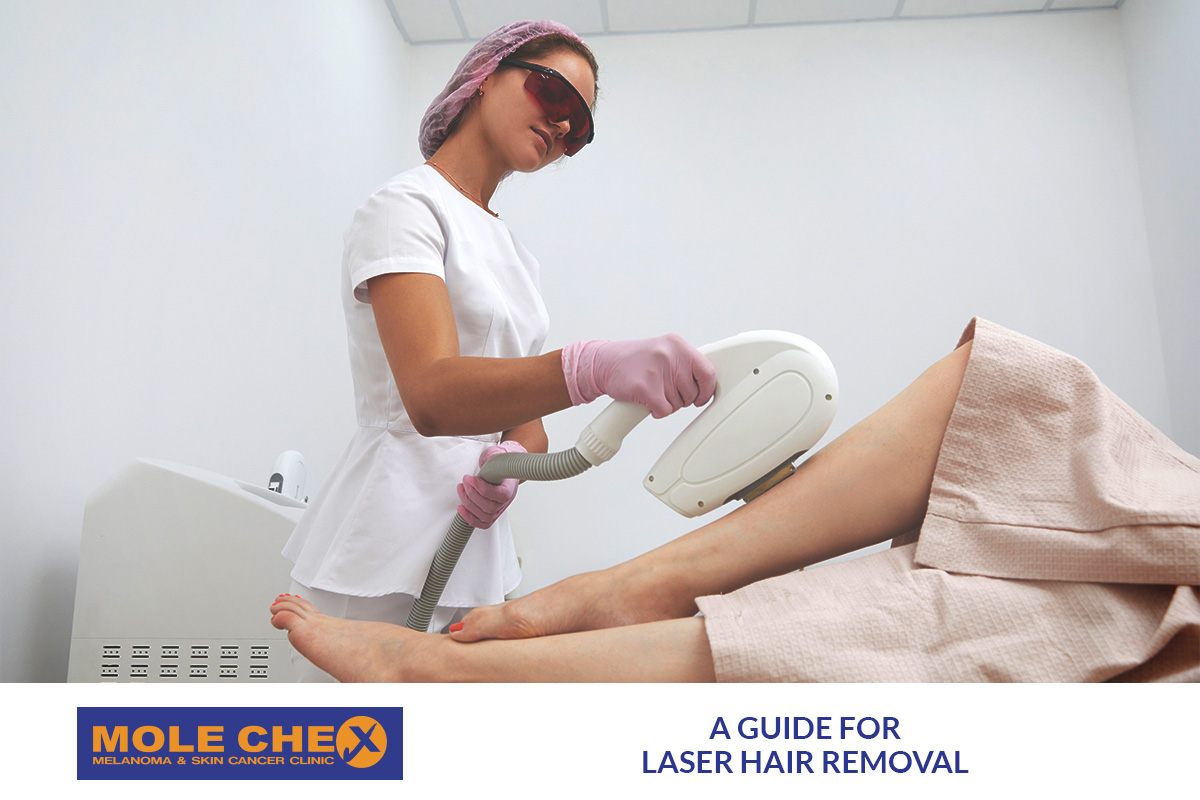
Laser hair removal is one of the most commonly discussed cosmetic procedures for reducing unwanted body hair. Despite its popularity, many people still ask an important question: is body hair laser removal safe for all skin types? Advances in laser technology, treatment protocols and practitioner training have significantly improved laser hair removal safety for all skin types. This article explains how laser hair removal works, how skin type influences safety and what factors should be considered before undergoing treatment.
What Is Laser Hair Removal?
Laser hair removal is a cosmetic procedure that uses concentrated light energy to target hair follicles beneath the skin. The laser heats the follicle and disrupts its ability to produce hair, resulting in long-term hair reduction over multiple treatment sessions.
Unlike shaving or waxing, which remove hair at the surface, laser hair removal works below the skin. Because hair grows in cycles, the laser can only treat follicles that are actively growing. For this reason, most people require a series of sessions spaced several weeks apart to achieve optimal results.
Is Laser Hair Removal Considered Safe?
When appropriately selected and performed by trained professionals, laser hair removal is generally considered safe. Modern laser systems allow clinicians to adjust wavelength, energy level and pulse duration to suit individual skin tone and hair characteristics.
Importantly, laser hair removal uses non-ionising radiation. This type of radiation does not damage DNA in the same way as X-rays or ultraviolet radiation from the sun. As a result, current evidence does not show an increased cancer risk associated with laser hair removal for the general population.
Overall, research and clinical experience support laser hair removal safety for all skin types when clinicians follow appropriate protocols and patient selection guidelines.
Why Skin Type Matters in Laser Hair Removal
Skin tone plays a key role in laser hair removal because melanin absorbs laser energy. Historically, lighter skin tones with darker hair responded best to treatment, while darker skin tones carried a higher risk of burns or pigmentation changes.
However, advances in laser technology have addressed many of these limitations. Today, clinicians assess skin using the Fitzpatrick Skin Type Scale, which categorises skin based on how it reacts to sun exposure. This assessment helps guide laser choice and treatment settings.
Lighter Skin Types
People with lighter skin and darker hair often respond well to laser hair removal because the laser can clearly distinguish between hair pigment and surrounding skin. This contrast allows effective follicle targeting while minimising heat transfer to the skin.
Medium to Darker Skin Types
For medium to darker skin tones, clinicians use lasers designed to penetrate deeper while bypassing surface melanin. These systems reduce the risk of overheating the skin and improve laser hair removal safety for all skin types, provided experienced professionals tailor treatment carefully.
As a result, darker skin tones can now undergo laser hair removal more safely than in the past, although expert assessment remains essential.
Factors Beyond Skin Tone That Affect Safety
Although skin type is important, other factors also influence laser hair removal safety and effectiveness. Hair colour, thickness and density all affect how well the laser targets the follicle. Darker, coarser hair generally responds better than very light or fine hair.
Hormonal conditions, such as polycystic ovary syndrome (PCOS), can also influence hair growth patterns and treatment outcomes. In addition, recent sun exposure, tanning products and certain medications can increase the risk of skin reactions.
For this reason, clinicians consider the whole clinical picture rather than skin tone alone.
When Laser Hair Removal May Not Be Suitable
Laser hair removal may not be recommended in certain situations. Clinicians often advise postponing treatment if the skin is sunburnt, actively infected or significantly tanned.
Some medications increase sensitivity to light, which can raise the risk of adverse reactions. Pregnancy is commonly treated as a precautionary exclusion, even though evidence of harm is limited. People with a history of abnormal scarring, keloids or atypical moles should seek medical advice before undergoing cosmetic laser treatments.
Additionally, clinicians usually avoid direct laser treatment over suspicious or changing skin lesions.
Comfort, Side Effects and Recovery
Most people describe laser hair removal as mildly uncomfortable rather than painful. Sensations often feel like a brief snapping or warming of the skin. Modern laser systems include cooling mechanisms that protect the skin and improve comfort during treatment.
Common side effects include temporary redness, swelling or sensitivity in the treated area. These effects usually resolve within hours to a few days. Rare complications such as blistering or pigmentation changes typically occur when settings are inappropriate, aftercare instructions are not followed or patient selection is unsuitable.
Does Laser Hair Removal Cause Cancer?
Concerns about cancer risk often arise due to the word “radiation.” However, laser hair removal uses non-ionising radiation, which does not damage DNA. Medical professionals also use laser technology safely in many healthcare settings, including dermatology, eye surgery and cancer treatment itself.
Although long-term studies continue to evolve, current evidence does not show that laser hair removal increases cancer risk for most people. Regular skin checks and monitoring of moles remain important, regardless of cosmetic treatments.
Conclusion
Advances in technology and clinical protocols have significantly improved laser hair removal safety for all skin types. Today, people with a wide range of skin tones can undergo laser hair removal more safely than ever before when experienced professionals perform the treatment. However, safety depends on proper assessment, appropriate technology and individual factors such as skin type, hair characteristics and medical history. Anyone considering laser hair removal should seek professional advice to ensure the approach suits their skin and circumstances.
Learn more by reading other articles :