
Skin Care for Sport-Playing People
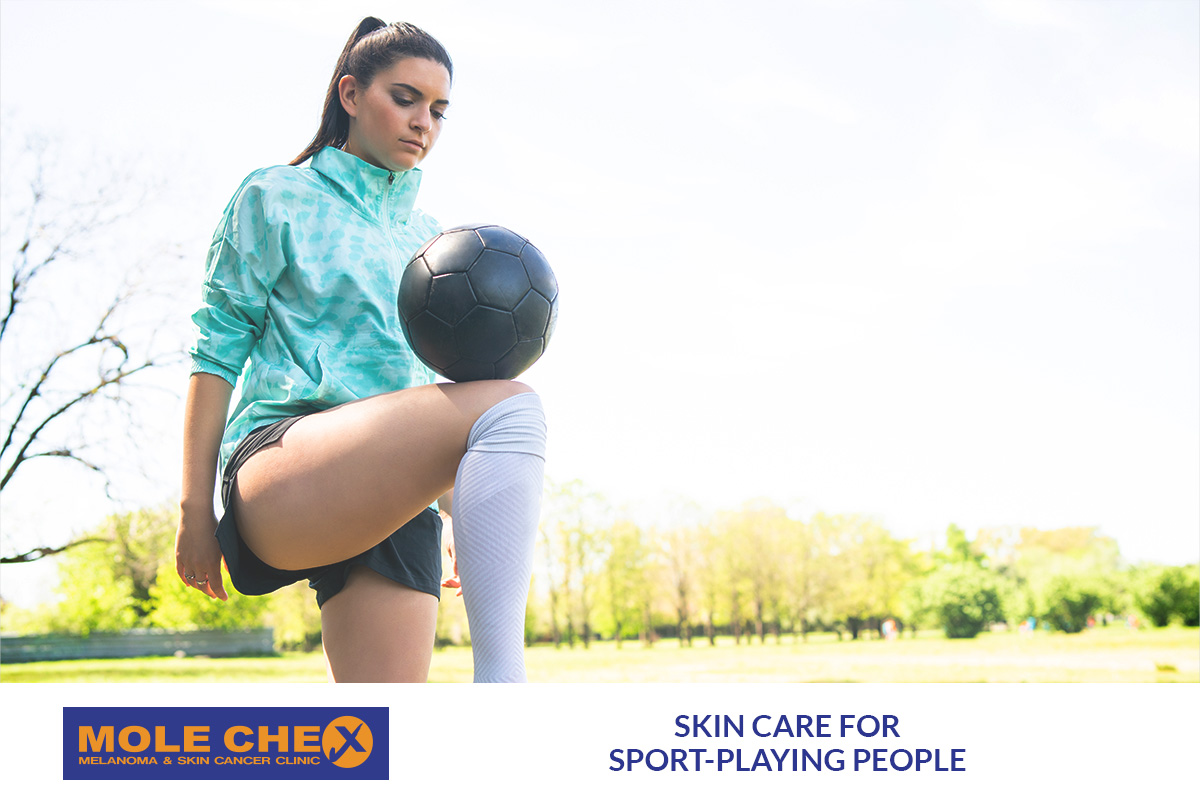
Playing sport is one of the best ways to stay active, social and healthy. Whether you play cricket, football, netball, tennis, golf, swimming, running, cycling or weekend park sport, your skin works hard every session. It deals with UV exposure, sweat, sunscreen, heat, rubbing clothing, helmets, hats, shin pads, pool water and repeated outdoor conditions.
For Brisbane locals, sports skin care is especially important. Queensland’s UV levels can be high, and outdoor sport often happens during mornings, afternoons and weekends when players may spend long periods exposed to the sun. The Bureau of Meteorology explains that sun protection is recommended when the UV Index is 3 or above, and always recommended for people spending extended periods outdoors.
Why sport can be tough on your skin
Sport exposes skin to several stressors at once. Sweat can irritate sensitive skin, sunscreen can clog pores if not removed properly, tight gear can cause friction, and repeated sun exposure can increase visible sun damage over time.
- Common sport-related skin concerns include:
- Sunburn after training or match day
- Heat rash and sweat-related irritation
- Chafing from uniforms, bras, socks or protective gear
- Acne or blocked pores from sweat and sunscreen
- Dry skin after swimming or frequent showering
- Fungal infections in warm, damp areas
- Blisters from shoes or equipment
- New or changing spots on sun-exposed skin
Most of these concerns are manageable, but recurring or changing skin symptoms should not be ignored. A rash that will not settle, a sore that keeps crusting, or a mole that changes after years of outdoor sport may need medical assessment.
Sun protection is the first rule of sports skin care
For outdoor athletes, sunscreen is not optional. Cancer Council Australia recommends SPF 50 or SPF 50+, broad-spectrum, water-resistant sunscreen, applied generously 20 minutes before going outside and reapplied every two hours or after swimming or excessive sweating.
For sport-playing people, the key issue is reapplication. Sunscreen can be rubbed off by towels, sweat, helmets, jerseys, goggles and hands. Keep sunscreen in your sports bag and treat reapplication like part of your game plan.
Practical sport sunscreen tips:
- Apply before leaving home, not after arriving late
- Use water-resistant sunscreen for outdoor training
- Reapply during long matches, tournaments or swim days
- Cover ears, neck, lips, backs of hands and tops of feet
- Do not rely on sunscreen alone
- Use UPF clothing, hats, sunglasses and shade where possible
Cancer Council also reminds Australians that sunscreen should be used with other sun protection measures, not as a “suit of armour”.
The often-missed areas athletes forget
Many sportspeople remember their face and arms but forget high-risk areas that receive a lot of sun. These include the ears, scalp part line, back of the neck, shoulders, lower legs and backs of hands.
Cricketers, golfers and tennis players often expose the neck and ears. Runners and cyclists may get repeated sun exposure on shoulders, arms and thighs. Swimmers and surfers may miss the back, backs of legs and feet. Parents watching children’s sport also need protection, especially during long Saturday fixtures.
A simple habit is to apply sunscreen before putting on your sports uniform, then check exposed areas once dressed.
Sweat, heat rash and blocked pores
Brisbane heat and humidity can make sweat-related skin irritation more common. Heat rash may appear as small red or clear bumps with prickling, stinging or itching. It often occurs where sweat is trapped, such as under clothing, straps, pads or skin folds.
To reduce sweat irritation:
- Shower soon after training
- Change out of sweaty clothing quickly
- Choose breathable fabrics where possible
- Wash helmets, hats, towels and reusable gear
- Avoid heavy creams before sport
- Use gentle cleansers if your skin is sensitive
If a rash is painful, spreading, infected-looking, recurring or not improving, it should be checked by a GP.
Chafing, blisters and friction skin injuries
Friction is common in sport. Runners may notice chafing around thighs, underarms or sports bras. Footballers may get irritation from socks, shin pads or tape. Cyclists may experience saddle-area irritation. These minor injuries can become worse if sweat, heat and bacteria are involved.
Helpful steps include wearing well-fitted clothing, using moisture-wicking fabrics, changing wet socks, keeping skin dry where possible, and avoiding repeated rubbing over broken skin. Any wound that becomes red, warm, swollen, painful or produces discharge should be reviewed.
Swimming, chlorine and dry skin
Swimmers and water sport players often experience dry, tight or itchy skin. Chlorinated pools, salt water, wind and frequent showering can strip the skin barrier. This can worsen dryness, eczema-prone skin and irritation.
After swimming, rinse with fresh water, use a gentle cleanser and apply moisturiser while skin is still slightly damp. Outdoor swimmers should also reapply sunscreen after swimming or towel drying, as sunscreen can wash or rub off. Cancer Council Australia advises topping up sunscreen after swimming, sweating or towel-drying.
Watch your moles if you play sport outdoors
Outdoor sport can mean years of cumulative UV exposure. Skin cancer risk is not only about one bad sunburn; it also relates to repeated exposure over time. Brisbane sportspeople should become familiar with their skin and check regularly for new or changing spots.
Look for:
- A mole changing in size, shape or colour
- A spot that looks different from your other spots
- A sore that bleeds, crusts or does not heal
- A rough, scaly or tender patch
- A mole that becomes itchy or painful
- New pigmentation on sun-exposed skin
Do not assume a spot is harmless because you are fit and healthy. Skin cancer can affect active people, including athletes, coaches, outdoor workers and parents who spend many hours outside.
How Molechex supports sport-playing people in Brisbane
Molechex Skin Cancer and Melanoma Clinic provides skin cancer detection, diagnosis, treatment, annual reviews and skin-related services in Brisbane. The clinic states that its doctors have undertaken advanced training in skin cancer, and its services include skin checks, skin cancer treatment, surgical procedures, skin rejuvenation, cosmetic services and injectable treatments.
Molechex’s team includes skin and health professionals in Brisbane who are highly qualified in the detection and treatment of skin cancers and melanomas. For sport-playing patients, a skin check may help identify suspicious moles, sun-damaged areas and spots that are difficult to monitor alone, such as the back, shoulders, scalp and backs of legs.
Sport and cosmetic skin concerns
Sport can also contribute to cosmetic skin concerns such as pigmentation, uneven texture, redness, dry skin, fine lines and sun damage. Molechex provides skin rejuvenation and cosmetic services, including consultations for treatments that may suit selected patients.
However, any changing mole, persistent lesion, irritated patch or non-healing sore should be medically assessed before cosmetic treatment is considered. Skin health comes first.
A simple sports skin care routine
A good routine does not need to be complicated.
Before sport:
- Apply SPF 50 or SPF 50+ broad-spectrum sunscreen
- Wear a hat, sunglasses and sun-protective clothing where possible
- Use lip balm with SPF
- Cover high-exposure areas such as ears and neck
After sport:
- Shower and change out of sweaty clothing
- Cleanse gently
- Moisturise dry or irritated skin
- Check for blisters, rashes or new marks
- Reapply sunscreen if staying outdoors
Monthly:
- Check your moles and freckles
- Photograph spots you are monitoring
- Book a professional skin check if anything changes
Conclusion
If you play outdoor sport in Brisbane, coach kids’ sport, swim, run, cycle or spend long weekends in the sun, Molechex can support your skin health with comprehensive skin checks, mole assessments, skin cancer detection and treatment planning. A professional skin check can help you better understand your risk, assess changing spots and create a practical approach to long-term skin care.
* Note: The tips and general prevention tips are for information purposes only and should not be considered as medical advice. Molechex recommends individuals to assess their skin via a professional doctor and does.
Learn more by reading other articles :