
Skincare for Swimmers in Brisbane: How to Protect Your Skin
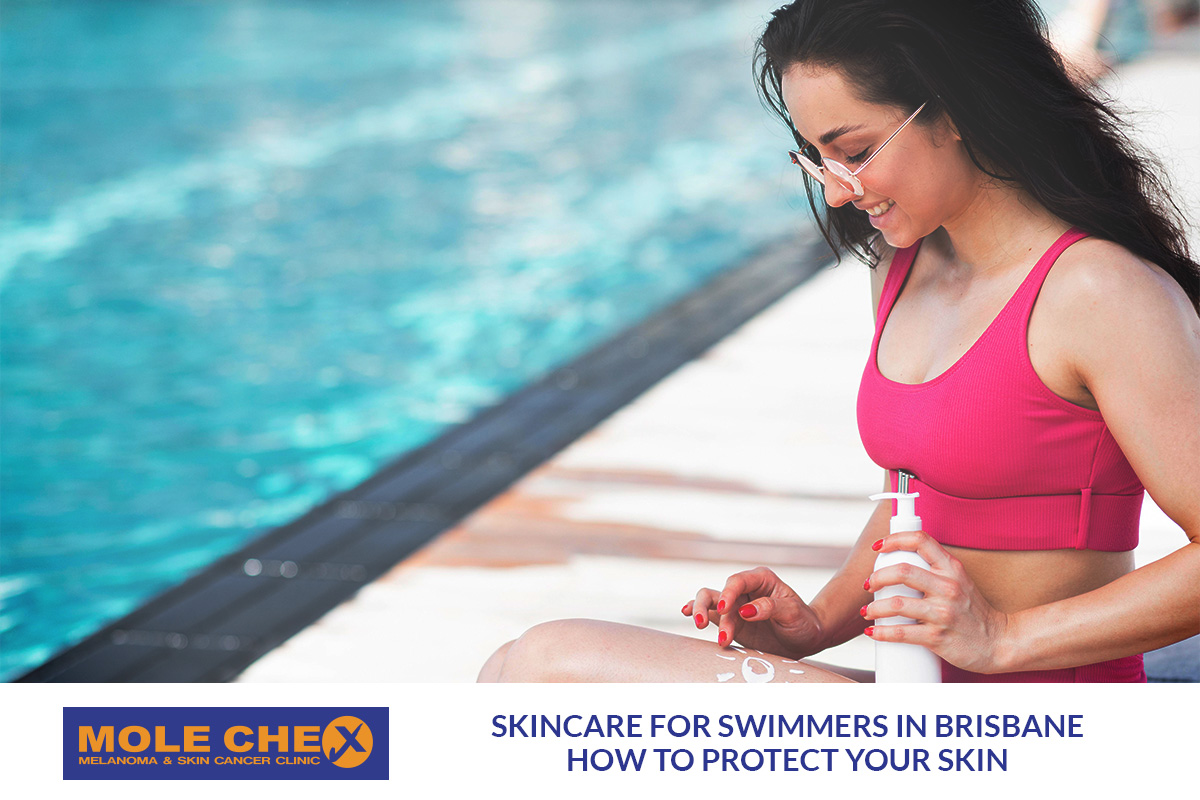
Swimming remains one of the most popular ways to stay active in Brisbane, offering physical and mental health benefits for people of all ages. However, regular exposure to chlorine, salt water and sun can affect skin health over time. As a result, many swimmers experience dryness, irritation and changes to their skin barrier. In this article, we explain how swimming impacts the skin and outline practical skincare steps that help swimmers in Brisbane protect their skin before and after time in the pool or ocean.
How Swimming Affects Skin Health
Swimming pools rely on chlorine and other chemicals to maintain hygiene and prevent the spread of bacteria. While these chemicals protect public health, they also strip the skin of its natural oils. Consequently, swimmers may notice dryness, tightness, flaking or irritation, especially after frequent or prolonged swims.
In addition, the skin’s natural pH is slightly acidic, whereas pool water is more alkaline. Because of this difference, chlorine disrupts the skin barrier and increases moisture loss. Furthermore, outdoor swimming exposes the skin to high ultraviolet levels, which increases the risk of sun damage, pigmentation changes and premature ageing. For swimmers in Brisbane, where UV exposure remains high for much of the year, protecting skin health becomes especially important.
Pre-Swim Skincare Tips for Swimmers
Preparing your skin before swimming significantly reduces the effects of chlorine, salt water and sun exposure.
Rinse Before Entering the Water
First, shower with fresh water before swimming. This step helps minimise how much chlorinated or salt water the skin absorbs. When the skin is already wet, it absorbs fewer pool chemicals, which reduces irritation.
Support the Skin Barrier
Next, apply a light moisturiser or barrier cream to the skin. This creates a protective layer that limits direct contact between chlorine and the skin surface. For people with dry or sensitive skin, this step can make a noticeable difference.
Protect Your Skin from the Sun
Finally, for outdoor swimming, apply a broad-spectrum SPF 50+ sunscreen before entering the water. Reapply sunscreen as recommended, particularly after swimming. In addition, wearing UV-protective swimwear, rash vests and hats further reduces sun exposure, especially during longer sessions.
Post-Swim Skincare Routine
After swimming, your skincare routine should focus on removing chemicals, calming irritation and restoring hydration.
Shower as Soon as Possible
As soon as you finish swimming, rinse your skin with lukewarm water. This step removes chlorine, salt and other residues before they cause further dryness. Avoid hot water, as it can worsen irritation.
Cleanse Gently
After rinsing, cleanse the skin using a mild, soap-free cleanser. This removes remaining pool chemicals without stripping the skin’s natural oils. In contrast, harsh or fragranced cleansers often increase dryness and sensitivity.
Restore Moisture
Once the skin is clean, apply a moisturiser to replenish lost hydration and support barrier repair. Moisturisers containing glycerin, ceramides or hyaluronic acid help the skin retain moisture and feel comfortable.
Limit Active Ingredients
On swimming days, avoid strong active ingredients such as retinoids or exfoliating acids. Because chlorine increases skin sensitivity, giving the skin time to recover reduces the risk of irritation.
Hair Care for Swimmers
Chlorine and salt water also affect hair health. Over time, frequent exposure can lead to dryness, breakage and colour fading. Therefore, wearing a swim cap helps reduce direct contact, even though it does not fully prevent water exposure.
After swimming, rinse hair thoroughly with fresh water and follow with a gentle shampoo and conditioner. For regular swimmers, using a clarifying shampoo occasionally helps remove chemical build-up. In addition, applying a conditioning treatment or leave-in product supports moisture and manageability, particularly for long, curly or colour-treated hair.
Skincare for Swimmers with Sensitive Skin
People with eczema, psoriasis or rosacea often experience flare-ups after swimming. Chlorine, combined with sun exposure, can aggravate these conditions, especially when the skin barrier is already compromised.
For this reason, swimmers with sensitive skin should use fragrance-free products, rinse promptly after swimming and moisturise regularly. Moreover, swimming outside peak UV hours and staying well hydrated further supports skin health. If irritation persists, a medical assessment can help guide appropriate care.
Skincare for Children Who Swim
Children frequently spend extended time in pools during swimming lessons or warmer months. As a result, their skin can dry out quickly with repeated chlorine exposure.
Parents can support their child’s skin health by encouraging rinsing before and after swimming, applying moisturiser and using sun protection. If a child develops ongoing redness, itching or rashes, medical advice ensures early and appropriate management.
Maintaining Healthy Skin While Swimming in Brisbane
Swimming remains one of the best low-impact exercises for cardiovascular health, joint mobility and mental wellbeing. Fortunately, swimmers do not need to compromise skin health to enjoy time in the water.
By preparing the skin before swimming, cleansing gently afterwards and restoring hydration, swimmers in Brisbane can reduce dryness, irritation and long-term skin damage. Above all, consistency plays a key role, especially for those who swim several times a week.
Professional Skin Care Support in Brisbane
Molechex provides professional skin care support for individuals and families in Brisbane, QLD. Our experienced GPs offer comprehensive skin assessments, skin cancer checks and advice for managing sun damage, sensitive skin and swimming-related skin concerns. If regular swimming causes persistent irritation, dryness or changes in your skin, a medical skin assessment can help protect long-term skin health and provide reassurance.