
Why You Shouldn’t Ignore Chronic Itchiness: When Itchy Skin Needs a Closer Look in Brisbane
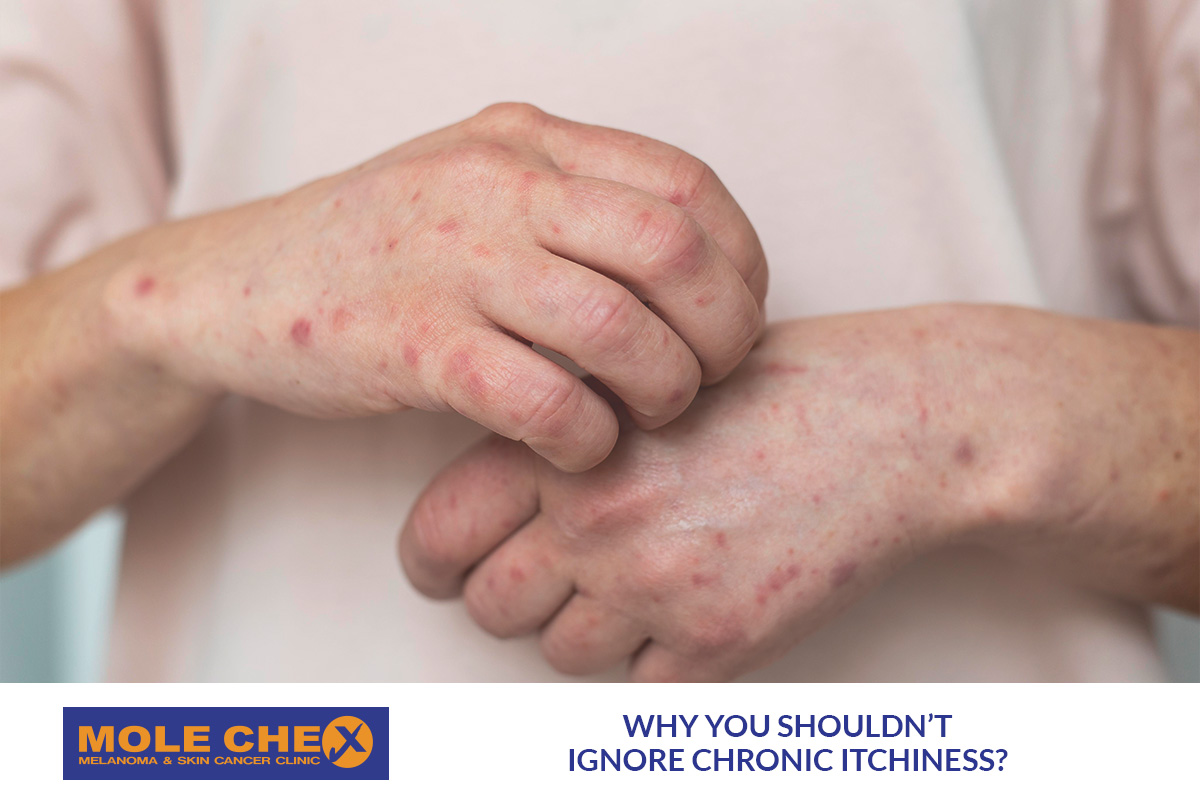
Itchy skin is something almost everyone experiences from time to time. A mosquito bite, dry weather, sweating, new laundry detergent or a mild rash can all make the skin feel uncomfortable. But when itchiness keeps coming back, lasts for weeks, affects sleep, or appears with changes to the skin, it deserves attention.
Chronic itchiness, also called persistent pruritus, is usually described as itching that continues for more than a few weeks. It may affect one area, such as the arms, legs, scalp, back or face, or it may feel more widespread. While many causes are harmless, ongoing itchy skin can sometimes point to an underlying skin condition or a spot that needs professional assessment.
For people living in Brisbane and South East Queensland, skin health is especially important. Regular sun exposure, heat, humidity and outdoor lifestyles can all affect the skin. Molechex Skin Cancer and Melanoma Clinic provides skin cancer detection, diagnosis, treatment, annual reviews and skin-related medical services in Brisbane, with doctors who have undertaken advanced training in skin cancer care.
What can cause chronic itchiness?
Chronic itchiness can happen for many reasons. Sometimes the cause is simple, such as dry skin. Other times, it may be connected to inflammation, infection, allergy or changes in the skin barrier.
Common causes may include:
- Dry skin, especially after hot showers or frequent washing
- Eczema or dermatitis
- Psoriasis or inflammatory skin conditions
- Heat rash or sweat-related irritation
- Fungal or bacterial skin infections
- Allergic reactions to skincare, soaps, plants or fabrics
- Insect bites that become irritated or infected
- Sun-damaged skin
- Healing wounds, scars or treatment sites
- Moles, lesions or spots that have changed
The challenge is that itchy skin does not always look dramatic. Some people may only notice mild redness, scaling or roughness. Others may scratch so much that the skin breaks, bleeds or becomes infected. If the itch is persistent, recurring or unexplained, a GP skin assessment can help identify what may be happening.
When is itchiness a reason to book a skin check?
Not every itch needs urgent care, but certain warning signs should not be ignored. This is especially true if the itch is linked to a specific mole, freckle, lump, sore or patch of skin.
You should consider booking a skin check if you notice:
- A mole or spot that itches repeatedly
- A lesion that bleeds, crusts, scabs or does not heal
- A patch of skin that changes colour, size, shape or texture
- A new lump or rough area that keeps growing
- Itching with pain, tenderness or swelling
- A rash that spreads or keeps returning
- Itching that interrupts sleep or daily activities
- A personal or family history of skin cancer
Itchiness alone does not mean skin cancer. However, some skin cancers can present with symptoms such as bleeding, tenderness, crusting, scaling or irritation. A changing or symptomatic lesion should be assessed by a trained doctor rather than watched indefinitely.
Molechex’s team includes skin and health professionals in Brisbane who focus on detection and treatment of skin cancers and melanomas.
Why Brisbane residents should be extra skin-aware
Brisbane’s warm climate makes outdoor living part of everyday life. Weekends at the park, school sport, beach trips, gardening, construction work, cycling and walking all increase the skin’s exposure to UV radiation. Even short, repeated exposure can contribute to sun damage over time.
Sun damage may appear as rough patches, pigmentation, freckles, redness, fragile skin or spots that feel scaly or irritated. Some people dismiss these changes as “just age” or “just dry skin”, but persistent symptoms deserve a closer look.
If you have fair skin, burn easily, work outdoors, have had previous skin cancers, or have many moles, regular skin checks are a practical part of preventive healthcare. A professional skin check can help assess suspicious moles, sun-damaged areas and lesions that may not be easy to see at home.
How chronic scratching can make skin worse
Scratching may bring short-term relief, but it can also create a cycle that keeps the problem going. The more you scratch, the more inflamed the skin becomes. This can damage the skin barrier, increase sensitivity and make infection more likely.
Repeated scratching can lead to:
- Broken skin
- Bleeding or scabbing
- Thickened or darkened skin
- Increased redness and irritation
- Secondary infection
- Scarring or visible marks
If you are using multiple creams, home remedies or over-the-counter treatments without improvement, it may be time to stop guessing and seek medical guidance. A GP can help assess whether the itch is due to dryness, dermatitis, infection, allergy, sun damage or another skin concern.
What happens during a skin consultation?
A skin consultation for chronic itchiness usually begins with questions about your symptoms. Your doctor may ask when the itch started, where it occurs, what makes it worse, what products you use, whether you have allergies, and whether any spots have changed.
Depending on the concern, the doctor may examine the affected area, check nearby skin, assess moles or lesions, and discuss whether further testing, treatment or review is needed. If a suspicious spot is found, your doctor may recommend monitoring, biopsy, topical treatment, excision or another suitable management option.
Molechex offers comprehensive skin checks, skin cancer treatment, melanoma-related care, surgical procedures, topical treatments, cryotherapy, biopsies and skin cancer surgery options depending on patient suitability and clinical assessment. Some Molechex doctors also provide services such as skin checks, biopsies, topical therapies and surgical excisions.
Chronic itchiness and cosmetic skin concerns
Persistent itchiness can also affect how your skin looks and feels. Scratching may leave marks, dryness, rough texture or inflammation. Some people become self-conscious about visible redness, irritated skin or scarring.
At Molechex, patients can also discuss skin health, skin rejuvenation and cosmetic skin concerns where appropriate. Services may include cosmetic consultations, chemical peels, LED light therapy, microneedling discussion, cosmetic mole assessment and other skin rejuvenation options. These treatments are not suitable for every skin condition, so assessment is important before choosing any cosmetic pathway.
Medical skin concerns should always be addressed first. If the skin is inflamed, infected, actively itchy or changing, your doctor may recommend managing the underlying issue before considering cosmetic treatments.
Simple steps that may support itchy skin
While chronic itchiness should be assessed when persistent or concerning, gentle daily habits can help reduce avoidable irritation.
Helpful skin habits include:
✅ Use fragrance-free, gentle cleansers
✅ Avoid very hot showers
✅ Moisturise regularly, especially after bathing
✅ Wear breathable cotton clothing in hot weather
✅ Avoid scratching where possible
✅ Keep fingernails short to reduce skin damage
✅ Use sun protection daily in Brisbane conditions
✅ Monitor moles, freckles and spots for changes
These steps do not replace medical advice, but they may support the skin barrier and reduce common triggers.
Conclusion
If you have chronic itchiness, a mole that keeps itching, a sore that will not heal, or a patch of skin that has changed, Molechex can help with professional skin assessment in Brisbane. The clinic provides comprehensive skin checks, mole assessments, skin cancer detection, skin cancer treatment planning and skin health support through trained doctors. No referral required. Appointments are available on the Molechex website.
Learn more by reading other articles :