
How to Care for Dry & Itchy-Prone Skin in Winter
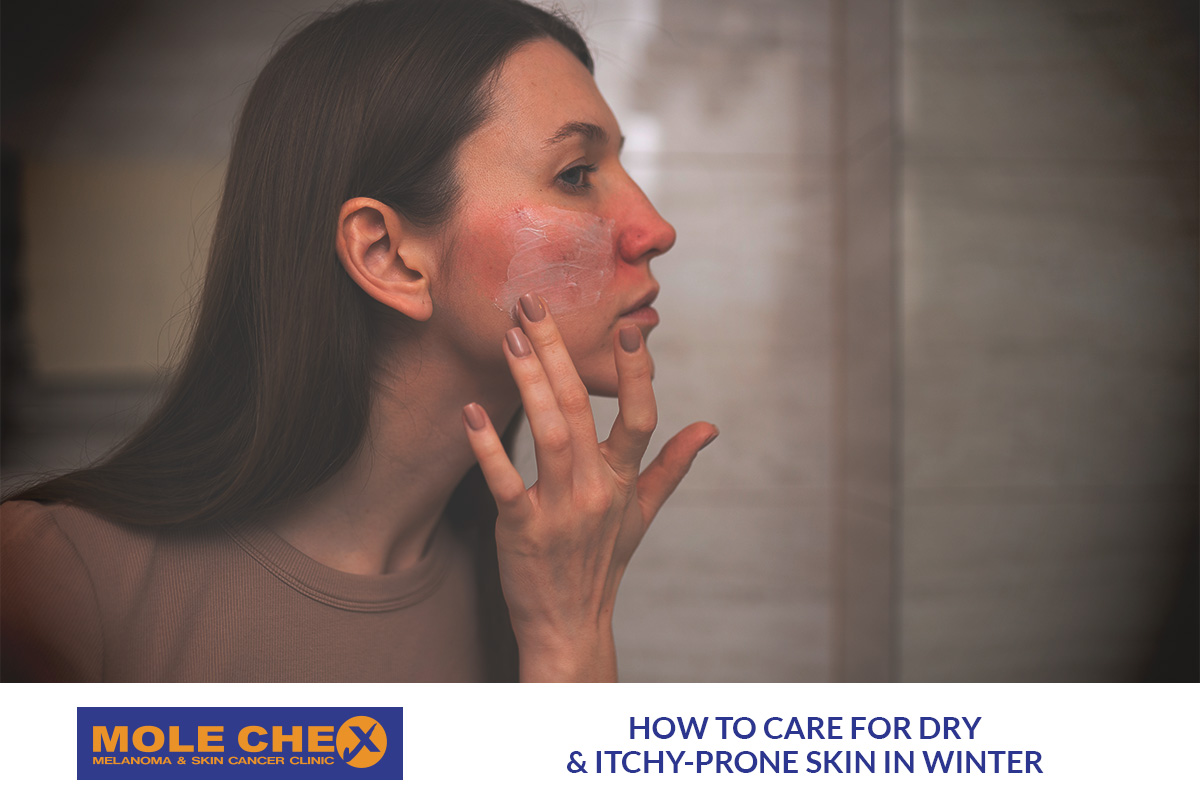
Dry and itchy skin in winter is a common concern for many Australian residents. Despite the region’s relatively mild winters, seasonal changes in temperature and humidity can have a significant impact on the skin. When the air becomes drier and cooler, your skin is more prone to losing moisture, leading to irritation, tightness and flaking.
If you have noticed rough patches, redness or increased sensitivity in the colder months, it is likely due to changes in your skin’s barrier function. Thankfully, with the right winter skincare routine, you can protect and nourish your skin effectively.
Why Skin Becomes Dry and Itchy During Winter
In cooler weather, your skin is exposed to a variety of drying factors. Australian’s winter season may not bring snow, but it does bring:
- Low humidity, which accelerates water evaporation from the skin
- Cold outdoor winds, which strip away protective skin oils
- Heated indoor environments, which dry out the air further
- Hot showers, which break down the skin’s lipid barrier
This combination leads to trans-epidermal water loss (TEWL) the process by which water escapes from the skin into the environment. As your skin becomes dehydrated, it starts to feel tight, rough, itchy and sensitive. If left unmanaged, these symptoms can develop into more serious conditions such as eczema flare-ups or cracked, inflamed skin.
Best Ingredients for Treating Dry and Sensitive Skin
The first step to managing dry skin in winter is choosing products with clinically supported ingredients that restore hydration and repair the skin’s barrier.
Glycerine
A naturally occurring compound that draws water into the outer skin layer and helps keep it hydrated throughout the day.
Hyaluronic Acid
This molecule holds up to 1000 times its weight in water, making it an excellent choice for plumping and rehydrating dry or dehydrated skin.
Ceramides
These are fatty molecules found naturally in the skin that hold skin cells together. They help maintain the barrier that keeps moisture in and irritants out.
Squalane
Derived from plants, squalane mimics your skin’s natural oils, making it ideal for sealing in moisture without clogging pores.
Avocado Oil
Packed with essential fatty acids and antioxidants, avocado oil soothes irritated skin and improves skin elasticity.
Skincare products containing these ingredients are ideal for addressing both short-term dryness and long-term skin barrier health.
Winter Skincare Tips for Australian Weather
A well-structured skincare routine during winter can help you avoid discomfort and keep your skin looking smooth, clear and healthy. These tips are especially effective in Australian’s dry, heated environments.
Cleanse Gently
Switch to a hydrating, non-foaming cleanser that would not strip your skin’s natural oils. Avoid alcohol-based products and harsh exfoliants.
Moisturise Immediately After Showering
After a lukewarm shower, gently pat your skin dry and apply a moisturiser within three minutes to trap water in the skin.
Use Facial Oils or Night Creams
Facial oils or thick, ceramide-rich night creams work overnight to restore the skin barrier and reduce water loss.
Exfoliate Once or Twice a Week
Removing dead skin cells helps serums and moisturisers penetrate more effectively. Choose gentle exfoliants to avoid damaging already-sensitive skin.
Apply Daily Sunscreen
Even in winter, Australian’s UV index can be high. Use a broad-spectrum SPF 30+ every morning to protect your skin from sun damage and premature ageing.
Use a Humidifier
Indoor heating can dry out the air. A humidifier in your bedroom or living space helps maintain skin hydration, especially overnight.
Hydrate Internally
Drink water regularly to support skin hydration from the inside. Herbal teas and water-rich foods can also contribute to your hydration levels.
Care for Hands and Feet
These areas are often exposed and washed more frequently. Apply a nourishing cream throughout the day and use a thicker balm at night for repair.
When to See a Skin GP for Persistent Dry Skin
Sometimes, skincare alone is not enough. If your symptoms are persistent, worsening or linked to an underlying skin condition, you should consider booking an appointment with Molechex. Seek professional care if you notice:
- Red, itchy patches that do not improve with moisturiser
- Cracks in the skin that bleed or become painful
- Frequent flare-ups of eczema or dermatitis
- Dryness around moles or existing skin lesions
- Unusual changes in skin tone, texture or pigmentation
At Molechex, our general practitioners have additional training in skin cancer detection, dermatological concerns and cosmetic skin treatments. Whether you need help with seasonal skin irritation or ongoing dry skin conditions, our team can provide personalised care and support.
Conclusion: Healthy Skin in Winter Starts with the Right Routine
While Australian’s winters may be mild, the impact on your skin can still be significant. Dry air, indoor heating and temperature changes all contribute to dry and itchy skin during winter. Fortunately, a few simple adjustment like choosing the right ingredients, moisturising correctly and using sun protection can help keep your skin hydrated and healthy. If you are unsure about your skincare routine or your dry skin becomes a recurring concern, a consultation with a GP specialising in skin care in Australian can offer both short-term relief and long-term prevention.
Learn more by reading other articles :