
How Pollution Affects the Skin & How to Protect It in Brisbane
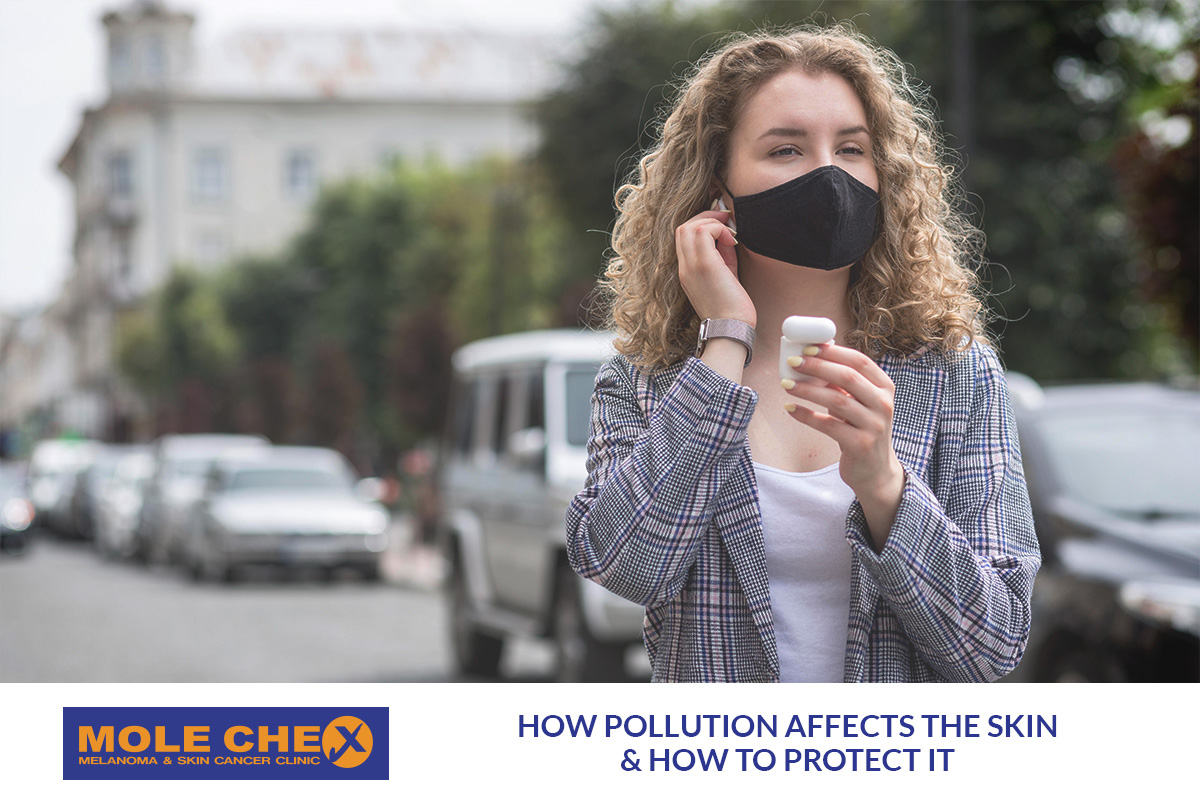
If your skin feels dull, dry, irritated, or more sensitive after a day outdoors in Brisbane, pollution may play a role. Sun exposure remains one of the biggest skin health concerns in Queensland. However, air pollution, airborne particles, heat, humidity, and environmental stress can also affect how your skin looks and feels. When you understand this link, you can make better skincare choices and know when to seek professional advice.
What pollution can do to the skin?
Pollution includes traffic particles, smoke, dust, industrial emissions, and other airborne irritants. These substances can settle on the skin. They can then mix with sweat, oil, and ultraviolet exposure. Over time, this process may increase oxidative stress. Oxidative stress can damage skin cells and weaken the skin’s natural barrier.
When the skin barrier weakens, the skin loses moisture more easily. It may also become irritated or inflamed. This can lead to dryness, redness, uneven skin tone, and breakouts. In some people, pollution can also worsen existing skin conditions, especially when the skin is already sensitive.
In Brisbane, outdoor lifestyles, commuting, construction activity, warm weather, and seasonal smoke or dust can increase environmental exposure. Strong UV levels add to that pressure. Together, these factors can make healthy skin harder to maintain throughout the year.
Common signs of pollution-related skin stress
Pollution does not affect everyone in the same way. However, several signs may suggest that your skin is under environmental stress.
Dryness and dehydration
Pollution can disrupt the skin barrier. This makes it harder for the skin to retain moisture. As a result, your skin may feel tight, rough, or flaky.
Dull or tired-looking skin
When pollutants build up on the skin, oxidative stress can rise. The complexion may then look less radiant and more uneven.
Redness and sensitivity
Some people notice more stinging, itching, or visible redness. This is often more common in people with reactive skin.
Congestion and breakouts
Particles, oil, and sweat can build up on the skin. This may clog pores and trigger blemishes.
Premature ageing
Environmental stress may contribute to fine lines, uneven pigmentation, and a loss of skin smoothness over time.
How to protect your skin from pollution in Brisbane?
Protecting your skin does not need to be complicated. A simple and consistent routine can support the skin barrier and reduce environmental stress.
Cleanse gently, but thoroughly
Cleansing removes dirt, sweat, sunscreen, excess oil, and pollutants from the skin. A gentle cleanser is usually the best option, especially for sensitive skin. Harsh products or over-cleansing can strip the skin and make irritation worse.
Support the skin barrier
A good moisturiser helps restore hydration and strengthen the skin barrier. Choose products that suit your skin type. Avoid routines that leave your skin feeling tight or irritated.
Wear broad-spectrum sunscreen every day
In Brisbane, sunscreen is essential. UV exposure can worsen the visible effects of environmental damage, including pigmentation and premature ageing. Daily broad-spectrum sunscreen remains one of the most important steps for healthy skin, whether you commute, exercise outdoors, or spend time at the beach.
Use protective accessories
A wide-brim hat, sunglasses, and time in the shade can reduce direct exposure. These habits are especially useful in Queensland’s high-UV climate.
Be careful with active skincare
Some active ingredients may improve skin texture or uneven tone. However, too many strong products at once can irritate an already stressed skin barrier. If your skin becomes red, flaky, or uncomfortable, simplify your routine and seek advice.
Review your skin regularly
A qualified doctor should assess changes in skin texture, ongoing irritation, non-healing spots, or new pigmented lesions. Do not assume that every skin change comes from pollution or ageing.
The link between pollution, sun exposure and skin cancer awareness
People often discuss pollution in relation to skin ageing and irritation. In Brisbane, however, it is important to keep the bigger picture in mind. Queensland has very high rates of skin cancer, and sun exposure remains a major risk factor. Environmental stress can distract people from more serious skin concerns. As a result, some may overlook changing spots or lesions while focusing only on cosmetic issues.
Regular skin checks matter, especially for people with fair skin, significant sun exposure, outdoor work, or concern about changing moles or lesions. If you notice a spot that changes in size, shape, colour, or texture, arrange an assessment promptly. You should also seek medical advice for any lesion that does not heal.
When to seek professional advice
It may be time to book a professional skin assessment if you have:
- Ongoing redness, dryness, or irritation that does not improve
- Persistent breakouts or rough texture despite changing your routine
- Visible sun damage, pigmentation, or skin changes that concern you
- A mole or lesion that is new, changing, or not healing
- Questions about whether a skin rejuvenation treatment may suit your skin concerns
A personalised assessment is the best way to separate common environmental skin stress from skin issues that may need medical attention.
FAQ
Can air pollution really affect the skin?
Yes, pollution can disrupt the skin barrier and contribute to dryness, irritation, and visible skin ageing. The effects vary from person to person. They may be more noticeable in sensitive or sun-damaged skin.
Is pollution worse for skin in Brisbane?
Brisbane’s mix of UV exposure, heat, humidity, traffic, and outdoor living can increase environmental stress on the skin. In Queensland, sun protection remains especially important.
What is the best way to protect skin from pollution?
Daily sunscreen, gentle cleansing, moisturising, and a simple skincare routine are practical first steps. Protective clothing and regular skin checks also play an important role.
Should I worry about a changing spot or mole?
Yes. A qualified doctor should assess any changing lesion, non-healing spot, or mole that looks different from others as soon as possible.
Final Thoughts
For Brisbane locals concerned about skin health, sun damage, changing spots, or environmentally stressed skin, Molechex offers doctor-led skin checks, skin cancer care, and skin-focused consultations. A professional assessment can help identify whether your concern relates to irritation, sun exposure, a benign skin issue, or something that needs closer medical attention.
Learn more by reading other articles :