skin cancer
Outdoor workers face serious sun exposure risks due to Queensland’s high UV levels. Tradies, landscapers and construction crews are especially vulnerable to sunburn, early skin ageing and melanoma. This article offers practical skin care tips for outdoor workers, covering sun protection, hydration and the need for regular skin checks.
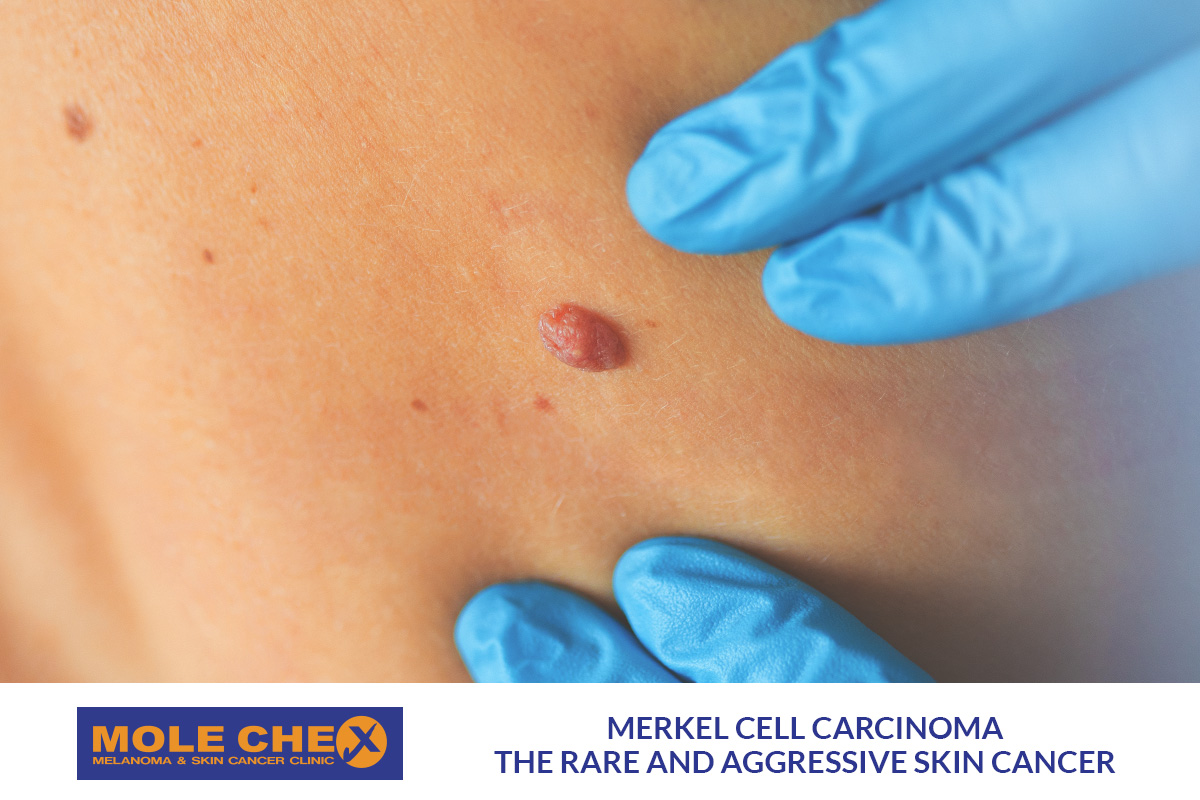
Merkel cell carcinoma (MCC) is a rare and fast-growing skin cancer that often appears on sun-exposed areas like the face or arms. Linked to UV damage and viral infection, MCC spreads quickly and can be life-threatening if not caught early. This article explains what MCC is, how it is diagnosed, risk factors for Australians and the latest treatment options available, including surgery, radiation and immunotherapy.
While childhood skin cancer is uncommon, the risk of future melanoma begins with early UV exposure. This article explores the dangers of UV damage in children, high-risk factors, how to spot early signs and practical sun protection strategies. Parents can take simple yet powerful steps to reduce their child’s lifetime risk of skin cancer and promote lifelong skin health.
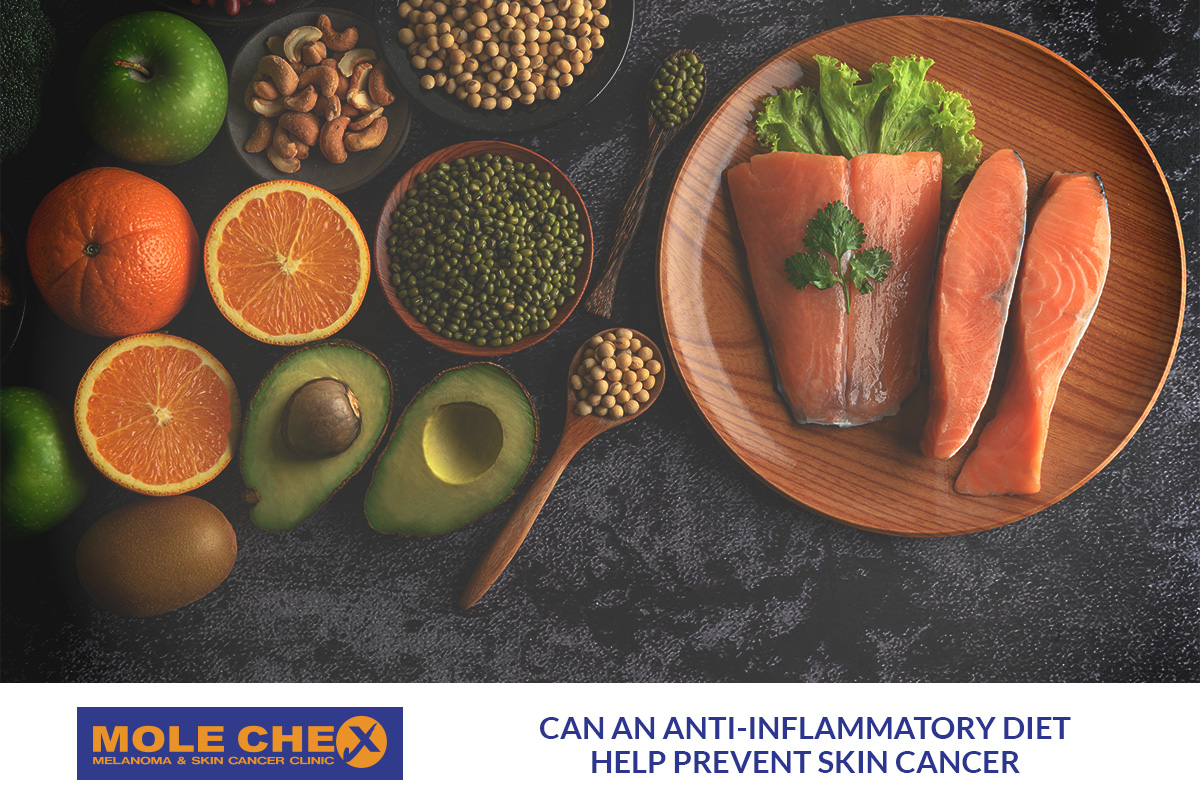
Skin cancer is one of Australia’s most common cancers, but emerging research suggests that diet may play a role in reducing risk. An anti-inflammatory diet, packed with antioxidants and healthy fats, can help combat chronic inflammation a key contributor to cancer development. In this article, we explore the link between diet and skin cancer prevention, the best foods to eat, what to avoid and how to incorporate these choices into a holistic skin health plan.
Skin cancer is one of the most common cancers in Australia, where high UV exposure raises risks for many. Understanding the stages and grades especially how far a cancer has spread and how abnormal the cells appear is essential for choosing the right treatment. In this guide, discover why early detection matters.