
Tanning in Australia: Common Myths About Tanning
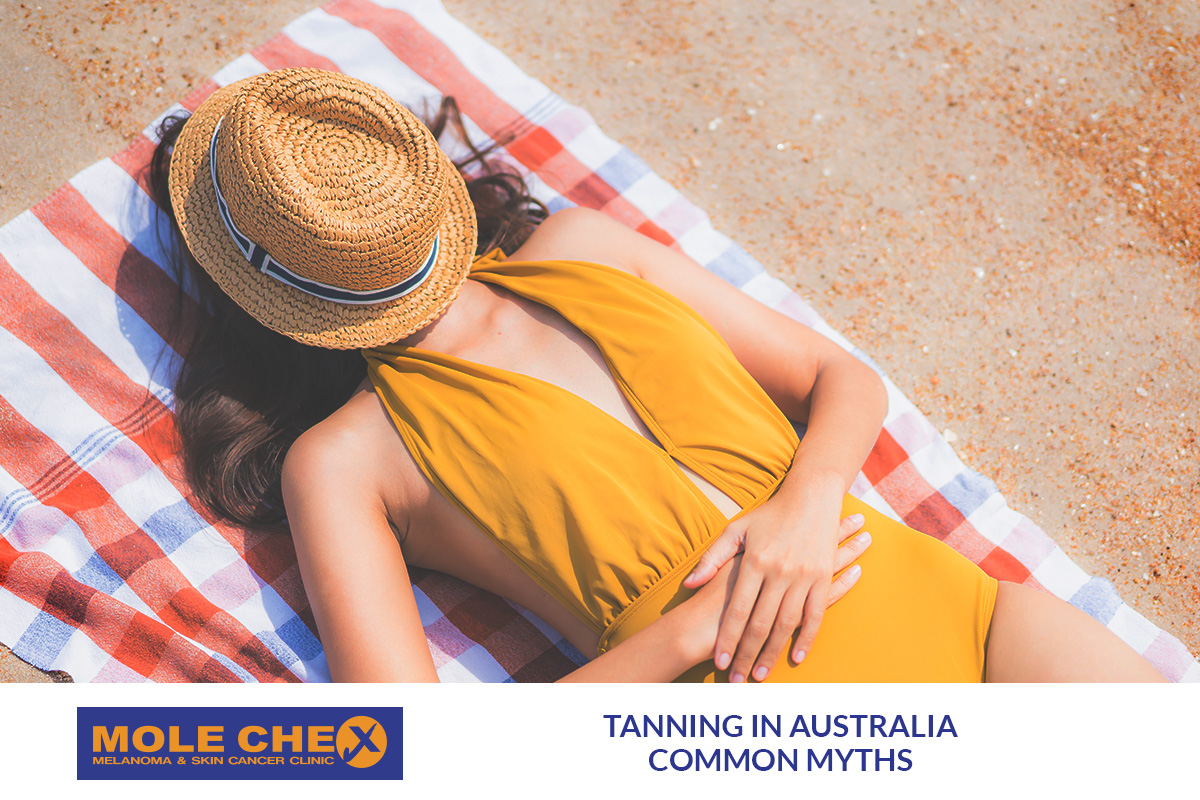
Tanning has long been part of Australian beach culture, but in a country with some of the highest ultraviolet (UV) radiation levels in the world, these habits come at a cost. Despite popular belief, there is no such thing as a safe tan. This guide explains common tanning myths in Australia, how UV exposure damages the skin and what Australians can do to reduce their risk of skin cancer while still enjoying the outdoors.
Tanning in Australia and Skin Cancer Risk
Australia’s climate encourages an outdoor lifestyle, but it also exposes Australians to extreme levels of UV radiation. As a result, Australia has one of the highest rates of skin cancer in the world. In fact, skin cancer accounts for the majority of cancer diagnoses nationwide, with two in three Australians developing skin cancer during their lifetime.
Although public health campaigns have raised awareness, deliberate tanning remains common. Social media trends, beauty ideals and the belief that a tan looks healthy all contribute to ongoing UV exposure. Unfortunately, these behaviours significantly increase the risk of melanoma and non-melanoma skin cancers.
Common Myths About Tanning in Australia
Myth 1: There is a safe way to tan in the sun
Many Australians believe they can tan safely by limiting time in the sun or tanning gradually. However, a tan only develops after UV radiation damages the skin.
When UV rays penetrate the skin, they injure DNA inside skin cells. In response, the skin produces extra melanin, which causes skin to darken.
Fact: There is no safe tan. Any change in skin colour from sun exposure indicates skin damage and increased skin cancer risk.
Myth 2: Sunburn causes damage, but tanning does not
Sunburn causes immediate redness and pain, which makes it easy to recognise. Tanning, on the other hand, develops slowly and often feels harmless.
Fact: Both sunburn and tanning damage skin cells. Repeated tanning increases the risk of melanoma, basal cell carcinoma and squamous cell carcinoma. Over time, this damage accumulates and becomes permanent.
Myth 3: Sunscreen allows you to tan safely
Sunscreen plays a critical role in skin cancer prevention, but it does not make tanning safe.
Even SPF50+ sunscreen cannot block all UV radiation. Therefore, if your skin darkens while wearing sunscreen, UV damage has still occurred.
Fact: Sunscreen should reduce UV exposure, not extend time spent in the sun. Apply sunscreen generously and reapply every two hours, especially in water or during physical activity.
Myth 4: A base tan prevents sunburn
Some people believe a base tan protects against future sunburn. However, this protection is minimal.
A base tan offers protection equivalent to SPF 2 to 4, which is far below the recommended SPF50+ for Australian conditions.
Fact: To achieve a base tan, you must first damage your skin. A base tan does not prevent sunburn or reduce the risk of skin cancer.
Myth 5: Tanning beds are safer than natural sunlight
Tanning beds expose the skin to concentrated UVA radiation at levels higher than the midday sun.
For this reason, commercial solariums are banned in Australia. Research clearly links tanning bed use to higher rates of melanoma, especially in younger people.
Fact: There is no safe tanning bed. Even one session significantly increases skin cancer risk.
What Happens to Your Skin When You Tan
UV radiation damages skin at a cellular level.
UVB rays affect the outer layers of the skin and disrupt normal cell replication. Meanwhile, UVA rays penetrate deeper, causing oxidative stress that damages collagen and elastin. Consequently, the skin loses firmness and elasticity.
Over time, this damage leads to wrinkles, uneven pigmentation, sunspots and sagging skin. More importantly, it increases the likelihood of melanoma and other skin cancers. A tan provides minimal protection, roughly equal to SPF 2 and does not prevent ongoing UV injury.
Tanning and Premature Skin Ageing
In Australia, sun exposure is the leading cause of premature skin ageing. Chronic UV exposure accelerates the breakdown of the skin’s support structures, leading to leathery texture, deep wrinkles, broken capillaries and blotchy pigmentation.
As a result, many Australians later seek cosmetic skin treatments to reverse sun damage. However, consistent sun protection from an early age remains the most effective prevention strategy.
Vitamin D and Sun Exposure
Sunlight supports vitamin D production, but tanning is unnecessary. In Queensland, including Brisbane, incidental daily sun exposure usually provides adequate vitamin D throughout the year. Additional sun exposure rarely offers added benefit and often increases skin cancer risk.
Safe Alternatives to Tanning
For Australians who prefer a bronzed appearance, sunless tanning products offer a safer option. These products darken the outer layer of skin without UV exposure and do not increase skin cancer risk.
However, sunless tans do not protect against UV radiation. Therefore, sunscreen and protective clothing remain essential.
Conclusion
Tanning myths continue to influence sun exposure habits in Australia, but the medical evidence is clear. There is no safe way to tan, and every tan represents skin damage. Over time, this damage increases the risk of melanoma, other skin cancers and premature ageing.
By understanding the facts and prioritising daily sun protection, Australians can enjoy the outdoors while significantly reducing their long-term skin cancer risk.
If you would like advice on sun safety, our GPs at Molechex can provide a personalised plan tailored to your lifestyle and individual needs.
*This is general information and does not replace medical advice. Please consult a qualified GP or skin cancer doctor for personalised assessment, advice or care.