
Ringworm: What to Know and Do
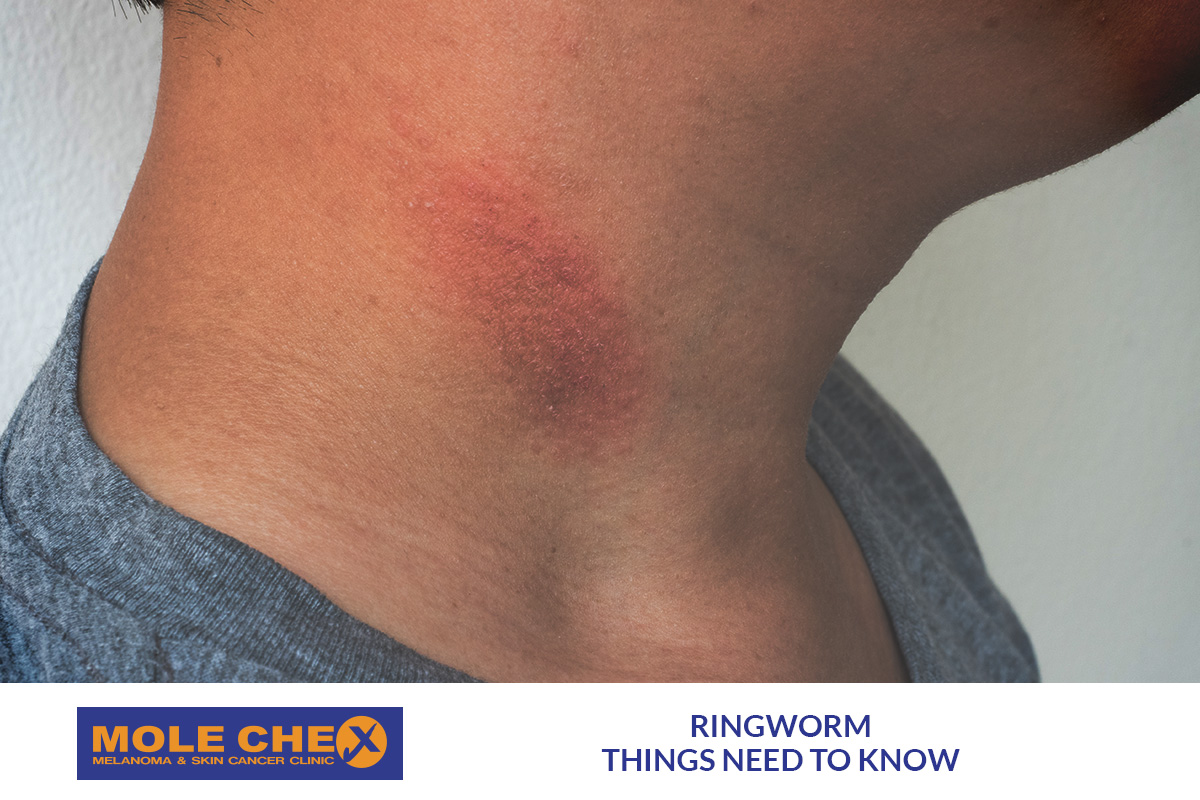
Ringworm is a common fungal skin infection seen across Australia, yet the name often causes unnecessary worry. Despite sounding alarming, ringworm does not involve worms at all. Instead, it results from a fungus that creates a circular, scaly rash on the skin. Because this infection spreads easily between people, pets and shared surfaces, it is important to recognise the symptoms early, understand how treatment works and adopt prevention strategies that protect your household.
What Is Ringworm?
Ringworm refers to tinea corporis, a fungal infection that affects the top layers of the skin. The infection thrives in warm, moist conditions, which is why it appears frequently in Queensland’s climate. Although the term “ringworm” suggests a parasite, fungi not worms cause this condition.
These fungi feed on keratin, the protein found in skin, hair and nails. As they spread, they often create a ring-shaped or circular rash with a scaly border and a clearer centre. This distinctive pattern gives ringworm its well-known appearance. Furthermore, because the fungus multiplies on the skin’s surface, the infection can gradually expand unless treated.
Types of Tinea Infections
Tinea infections occur in different parts of the body. Because each location has its own environment and levels of moisture, the rash can look slightly different. However, all types arise from the same group of fungi.
Tinea corporis (body):
Causes the classic ring-shaped rash on the trunk, arms or legs.
Tinea capitis (scalp):
Commonly affects children and may cause flaky patches, scalp irritation and patchy hair loss.
Tinea cruris (groin or jock itch):
Appears as red, irritated patches along the inner thighs and groin folds.
Tinea pedis (athlete’s foot):
Leads to peeling, cracking or scaling skin between the toes or on the soles.
Although these infections appear in different regions, they share similar causes and patterns. Therefore, early recognition and treatment help stop the fungus from spreading.
How Do You Get Ringworm?
Ringworm spreads through direct contact, making it particularly easy to acquire in homes, schools and sporting environments. You can get ringworm when you:
• touch someone who has an active fungal infection
• handle an infected pet such as a dog or cat
• come into contact with contaminated items, including towels, clothing, bedding or brushes
• use shared sporting equipment, mats or surfaces
• transfer the fungus from one area of your own body to another
Because fungal spores survive for long periods on surfaces, they continue to spread even when a visible rash is not present. Consequently, communal spaces such as gyms, pools, change rooms and day-care centres are common transmission points.
Children and athletes face a higher risk because they often share equipment, experience skin-to-skin contact and may not notice early symptoms.
What Does Ringworm Look Like?
Recognising ringworm symptoms early is crucial. The infection usually begins as a small, slightly red or pink patch. Then, as the fungus grows outward, the rash forms a circular or ring-like shape. The edges often appear raised and scaly, while the centre becomes clearer. Although the rash may itch, some individuals feel no discomfort at all.
However, other skin conditions including eczema, psoriasis and nummular dermatitis sometimes resemble ringworm. Because of this, you should seek medical advice if a rash develops or spreads. A clinician can often diagnose ringworm based on appearance, but they may take a skin scraping to confirm the fungal source when needed.
How Is Ringworm Treated?
Ringworm responds well to timely treatment. Most mild cases clear with topical antifungal creams, which you apply directly to the rash. Using the cream consistently for the recommended duration is essential because the fungus can linger even after symptoms start improving.
When the infection is widespread, persistent or located on the scalp, doctors may prescribe oral antifungal medication. Scalp infections almost always require oral treatment because the fungus invades the hair shaft, making topical products less effective.
Although some resistant strains exist globally, most tinea infections in Australia resolve with appropriate antifungal therapy. Treating the infection early also reduces the chance of spreading it to others.
What to Do If a Family Member or Pet Has Ringworm
If a family member develops a ring-shaped rash, arranging a medical assessment helps confirm the diagnosis and guide treatment. Additionally, taking steps to reduce transmission protects the rest of the household.
You can limit spread by:
• avoiding shared items such as towels, bedding, hats and clothing
• washing clothes and linens in hot water
• keeping the affected area clean and dry
• encouraging frequent handwashing
• cleaning surfaces, brushes and sports equipment
Pets play a major role in household tinea infections. Cats and dogs can carry ringworm and may develop circular patches of hair loss. If you suspect your pet may have a fungal infection, contact your veterinarian. Treating both the pet and affected household members reduces recurring infections.
How to Prevent Ringworm
Preventing ringworm requires consistent hygiene and moisture control. Because fungi grow best in warm, humid environments, small habits can significantly lower your risk.
You can reduce the likelihood of infection when you:
• keep the skin clean and thoroughly dry, especially after sport
• shower promptly after contact activities
• change clothes, underwear and socks daily
• wear footwear in public showers and change rooms
• avoid sharing personal items or equipment
• wash hands regularly
• clean sports gear, bedding and towels routinely
These simple practices help prevent tinea infections and maintain overall skin health.
How Molechex Can Help
Molechex provides medical assessments for ringworm, tinea infections and other skin concerns. Our GPs examine the affected area, confirm the diagnosis and recommend appropriate treatment options. When necessary, they may prescribe antifungal medication or further investigations. This tailored approach supports effective management and helps reduce the risk of recurrence.
Learn more by reading other articles :