
Can Vitamin Deficiency Cause Hair Loss?
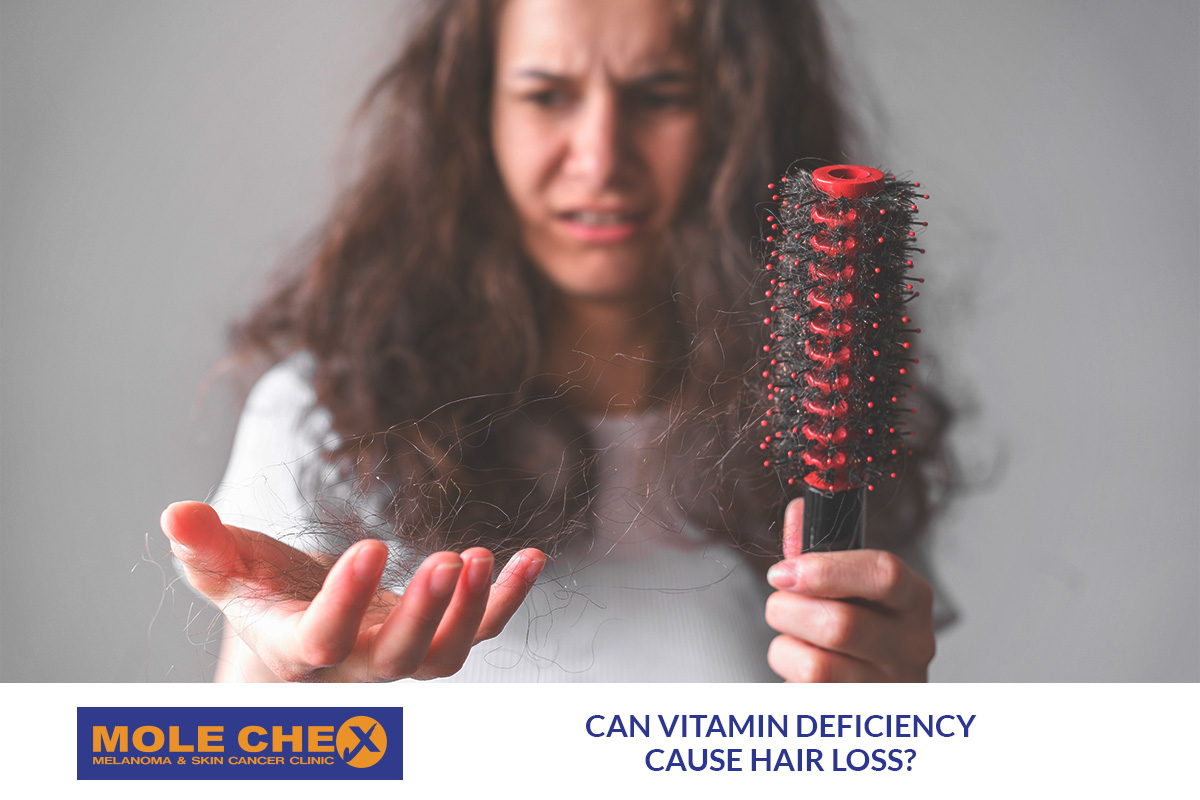
Hair loss affects many Australians, leading to concerns about thinning hair, excessive shedding and overall scalp health. One of the most common questions people ask is whether vitamin deficiency can cause hair loss. While nutrition plays an important role in supporting hair growth, the connection is often more complex than it appears. This article explains how nutrient deficiencies may contribute to hair loss, the vitamins and minerals involved and why a proper medical assessment is essential for understanding hair changes.
What This Article Will Cover
• the link between vitamin deficiency and hair loss
• common causes of hair thinning in Australia
• essential nutrients for healthy hair growth
• whether supplements actually help
• risks of taking too many vitamins
• the value of proper diagnosis
Hair Loss in Australia: Understanding the Real Causes
Hair loss or alopecia, is a widespread concern across Australia. Although ageing can play a role, several other factors may trigger hair thinning or increased shedding. These include genetic influences, hormonal fluctuations, thyroid and autoimmune conditions, nutritional deficiencies, stress, illness, postpartum changes, medications and sudden weight loss.
Common Types of Hair Loss Seen in Australia
Pattern Hair Loss (Androgenetic Alopecia)
This is the most common form of hair loss. Men often notice a receding hairline or thinning at the crown, whereas women usually experience a widening part line or diffuse thinning across the scalp.
Telogen Effluvium (Stress-Related Hair Shedding)
This form of hair shedding occurs when a physical or emotional stressor, such as illness, surgery, crash dieting or childbirth, pushes many hairs into the resting phase. Shedding usually increases two to four months after the trigger.
Alopecia Areata
Alopecia areata is an autoimmune condition that causes sudden, smooth patches of hair loss. It can occur at any age and may come and go over time.
All three of these conditions are non scarring, meaning the hair follicles remain intact and may regrow when contributing factors are managed.
How Vitamin Deficiency Can Contribute to Hair Loss
Hair follicles rely on nutrients to maintain their growth cycle and support strong, healthy strands. When levels of essential vitamins or minerals fall too low, the follicles may not function effectively. As a result, this can lead to nutrient deficiency hair loss, reduced hair density or slower regrowth.
Key nutrients involved in hair health include:
• vitamin D
• iron
• vitamin C
• vitamin A
• B-group vitamins (B2, B3, B7, B9, B12)
• vitamin E
• zinc
• selenium
These nutrients support immune balance, cell turnover, oxygen delivery and the structural integrity of hair.
Do Supplements Help With Hair Loss?
Many Australians search online for “vitamins for hair loss” or “best supplements for hair growth.” However, supplements only help when a deficiency actually exists. Most people meet their nutrient needs through a balanced diet. Nevertheless, supplementation may be helpful when a clinician diagnoses low levels.
Nutrient Deficiencies That May Influence Hair Thinning
Vitamin D
Vitamin D supports follicle development and immune regulation. Because Australians often work indoors and follow sun-safe practices, low vitamin D levels are relatively common.
Iron
Iron helps transport oxygen to the scalp and follicles. Its deficiency is a leading cause of excessive shedding, especially among women, adolescents and people who consume little red meat.
Vitamin C
Vitamin C enhances iron absorption and assists collagen production. Low vitamin C may worsen iron deficiency and consequently affect hair growth.
B-Group Vitamins
These vitamins assist with metabolic function and cell growth. Although biotin deficiency is uncommon, it can affect hair and nails when present.
Why Some Supplements Do not Improve Hair Loss
Many supplements marketed for hair growth contain biotin, zinc or selenium. However, research shows limited benefit in people who are not deficient. This is why medical testing is important before beginning any hair-related supplement regimen.
Risks of Taking Too Many Vitamins for Hair Loss
Over-supplementation can be harmful. For instance:
• too much vitamin A may increase hair shedding
• excessive selenium can lead to brittle or thinning hair
• high biotin intake may interfere with blood tests
• iron overload is dangerous and may cause toxicity
For this reason, supplement use should be guided by appropriate medical assessment rather than self-diagnosis.
How Common Is Vitamin Deficiency Hair Loss?
Vitamin deficiency can contribute to hair thinning; however, deficiencies are rarely the only cause. Most people experience hair loss due to a combination of genetics, stress, illness, hormonal changes and lifestyle factors. Correcting deficiencies may help support healthier hair, but identifying all underlying causes is essential for long-term improvement.
How Molechex Can Help
Molechex provides medical assessments for hair loss, including scalp examination and blood testing referrals if required to check for possible deficiencies or other causes. Our GPs discuss evidence-based options suited to your individual findings and may offer non-surgical treatments such as PRP and Factor4 when appropriate. This approach supports personalised care and overall scalp wellbeing.
Learn more by reading other articles :