
What Is Chickenpox? Symptoms, Causes, Treatment and Prevention in Australia
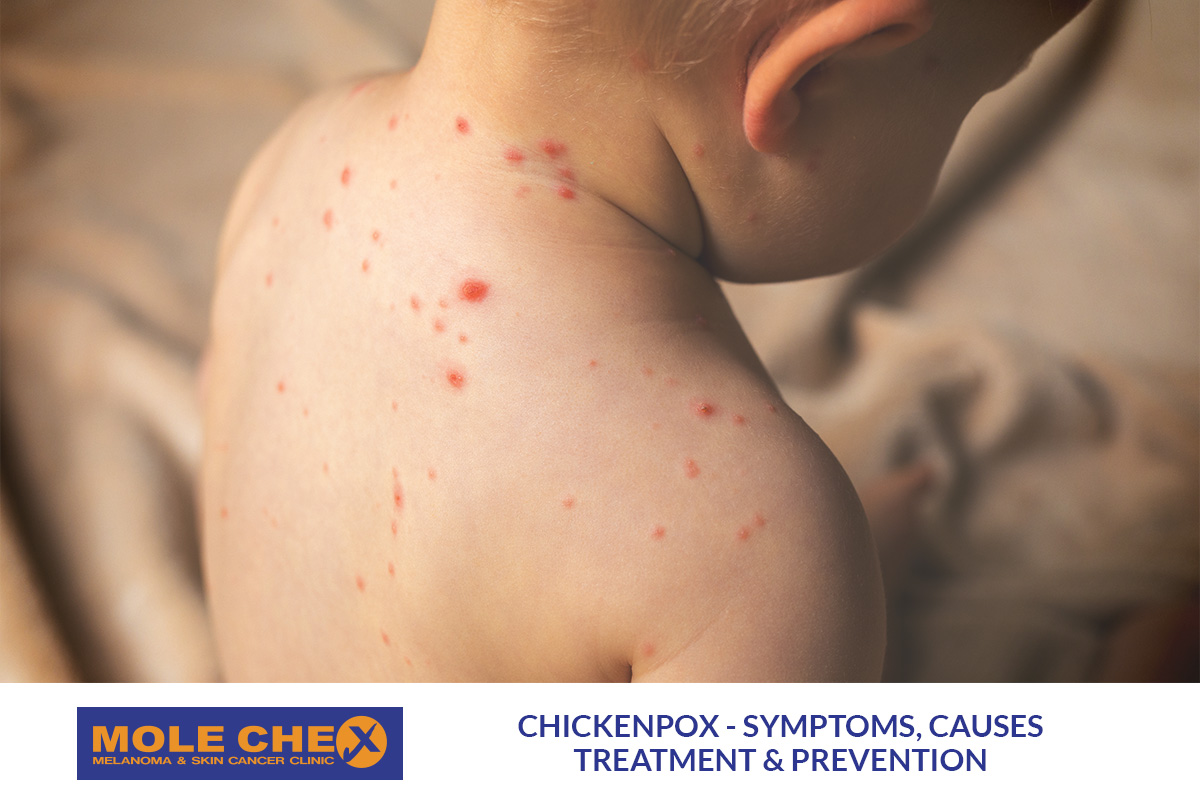
Chickenpox, medically known as varicella, is a highly contagious viral infection caused by the varicella-zoster virus. Although many Australians experience chickenpox in childhood, adults can also catch the infection often with more severe symptoms.
While most people recover quickly, chickenpox can lead to serious complications without proper care. The good news is that you can prevent chickenpox through vaccination and protect your community from outbreaks.
This article explains what chickenpox is, how it spreads, its symptoms and how your GP can help manage and prevent infection.
What This Article Covers
- What causes chickenpox
- Common symptoms
- How it spreads
- Risks and complications in adults
- Treatment and care
- Vaccination in Australia
- How to prevent chickenpox in the community
What Causes Chickenpox?
Chickenpox develops when the varicella-zoster virus infects the body. This virus spreads quickly through the air or by direct contact with fluid from it’s blisters. Once infected, most people build lifelong immunity, meaning they would not get chickenpox again.
However, the virus can remain inactive in your nerve cells and reactivate later in life as shingles. This is why doctors encourage vaccination to lower the risk of both chickenpox and shingles.
In Queensland and across Australia, chickenpox is a notifiable disease, so GPs report confirmed cases to local health authorities to track and control outbreaks.
Chickenpox Symptoms to Watch For
Chickenpox symptoms usually appear 10 to 21 days after exposure to an infected person. Early symptoms may resemble the flu before the skin rash begins.
Common symptoms include:
- Mild fever or temperature
- Headache and tiredness
- Loss of appetite
- Sore throat or runny nose
- Red, itchy spots that turn into small blisters
The chickenpox rash develops in stages from red spots to blisters that burst and scab over within 7 to 10 days. The rash may spread across the face, torso, arms, legs and even inside the mouth or on the scalp.
Chickenpox in Adults: Why It’s More Serious
Chickenpox in adults often causes stronger symptoms and a longer recovery compared to children. Adults are also more likely to experience complications such as:
- Pneumonia (lung infection)
- Meningitis or encephalitis (inflammation of the brain)
- Skin infections and scarring
- Liver inflammation
- Vision problems if the eyes are affected
If you are an adult and have never had it or the vaccine, speak with your GP about your risk and how to protect yourself.
How Chickenpox Spreads
Chickenpox is extremely contagious. You can catch it from:
- Airborne droplets when an infected person coughs, sneezes or talks
- Direct contact with the fluid from chickenpox or shingles blisters
You remain contagious from two days before the rash appears until all blisters have scabbed over, usually around five to seven days.
To help prevent spreading the infection, stay home during this period and avoid contact with people who are pregnant, old aged or immunocompromised.
How GPs Diagnose Chickenpox
Doctors usually diagnose it by examining the rash and discussing your symptoms and recent exposure. In some cases, your GP may order:
- A blister fluid test to confirm the varicella-zoster virus
- A blood test to check for it’s immunity
If you think you have chickenpox, call your GP before visiting the clinic. This helps prevent spreading the infection to other patients.
Treatment and Care
Most cases of chickenpox are mild and resolve without prescription medicine. However, treatment focuses on managing discomfort and preventing complications.
Your GP may recommend:
- Plenty of rest and fluids to stay hydrated
- Paracetamol to manage fever (avoid aspirin or ibuprofen)
- Calamine lotion or cool baths to relieve itching
- Loose clothing to keep the skin cool
- Short nails to reduce the risk of scratching and scarring
If you are at higher risk of severe symptoms, your GP may prescribe antiviral medication to shorten the illness and reduce complications.
Seek medical advice immediately if you experience:
- Persistent high fever
- Redness or swelling around blisters
- Trouble breathing
- Severe headache or neck stiffness
- Vision problems or pain near the eyes
Vaccination in Australia
Vaccination remains the best way to prevent chickenpox and protect against serious illness.
In Australia, the National Immunisation Program (NIP) provides a free vaccine at 18 months of age as part of the MMRV (measles, mumps, rubella, varicella) combination vaccine.
Health authorities recommend:
Children under 14 years
- Two doses of the varicella-containing vaccine for stronger, long-term protection
- The first dose at 18 months (NIP-funded)
- The second dose available privately, at least four weeks later
Teenagers and adults
- Two doses of a varicella-only vaccine, given four weeks apart
- Recommended for those who work in healthcare, childcare or aged care
Even if you have had it before, your GP may still recommend vaccination to strengthen your immunity and reduce the risk of shingles later in life.
Preventing Chickenpox in the Community
High vaccination rates help protect everyone including those who cannot receive vaccines, such as newborns or immunocompromised individuals. This concept, known as herd immunity, is vital for reducing community outbreaks.
You can help prevent it by:
- Keeping your family’s immunisations up to date
- Staying home when you or your child are unwell
- Avoiding close contact with vulnerable people
- Following GP advice on isolation and recovery
In Queensland, children with chickenpox should remain home from school, childcare or kindergarten until all blisters have scabbed over.
Final Thoughts
Chickenpox is a common infection, but it can still pose serious risks especially for adults, pregnant people and people with weakened immune systems. The best protection comes from vaccination, good hygiene and early consultation with your GP. If you live in Brisbane or surrounding areas, our GP at Molechex can provide medical advice, immunity testing and vaccination guidance to help protect your family. Understanding the symptoms, acting early and staying informed are key steps to keeping it under control in our community.
Learn more by reading other articles :