
Mole vs. Melanoma: How to Tell the Difference
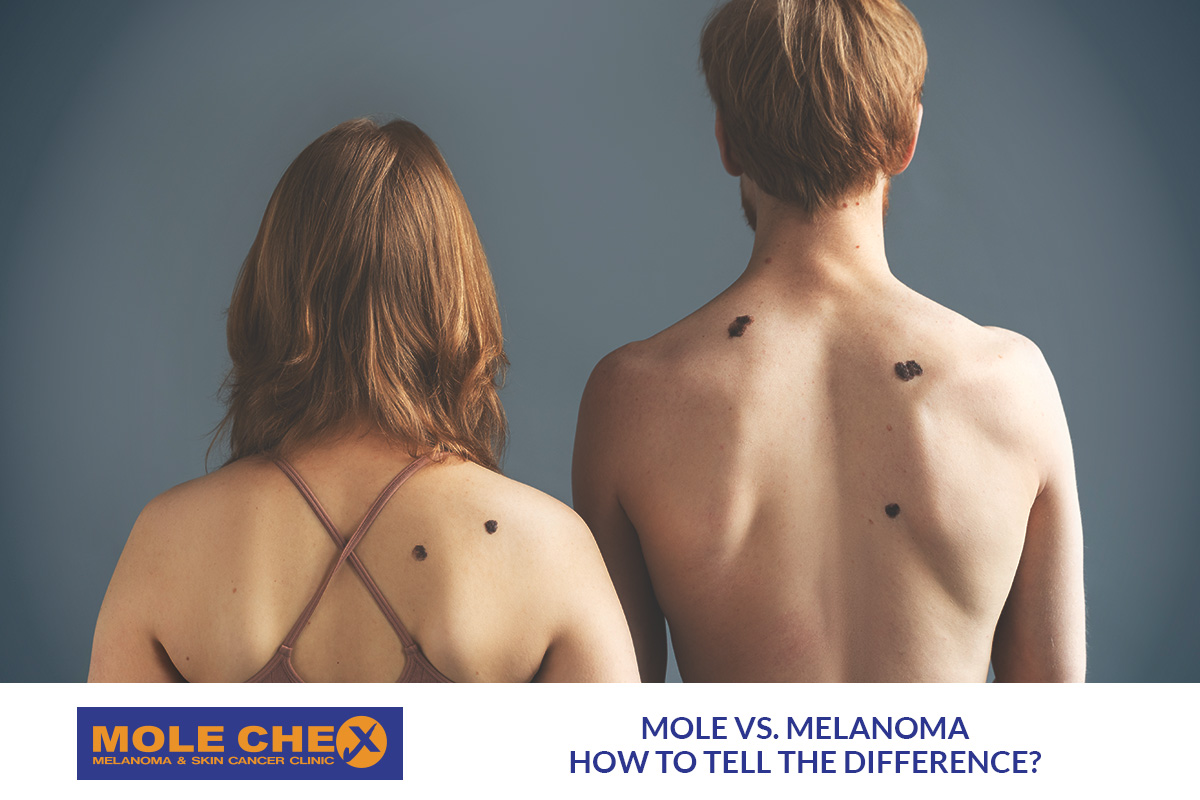
With Australia recording one of the highest rates of skin cancer globally, recognising the difference between a harmless mole and a dangerous melanoma is more important than ever. Knowing what to look for can lead to early diagnosis and effective skin cancer treatment. This guide will help you understand the key differences between moles and melanomas, identify the warning signs and explain why regular skin cancer checks in Brisbane are essential for your health.
What You’ll Learn in This Article
This article will cover:
- The difference between moles and melanoma
- How to identify suspicious skin lesions using the ABCDE method
- Common melanoma risk factors in Queensland
- The importance of early detection and routine skin checks
- How Molechex provides skin cancer care in Brisbane
What Is a Mole?
Moles, medically known as melanocytic naevi, are common skin growths caused by clusters of pigment-producing cells. They typically develop during childhood and adolescence and are generally harmless. Moles can appear anywhere on the skin and often remain unchanged for many years.
Key Features of Normal Moles:
- Round or oval in shape
- Even colouring (usually brown or skin-toned)
- Smooth, well-defined borders
- Smaller than 6 mm in diameter
- Stable in appearance over time
Most people in Australia have several moles. However, individuals with many moles or atypical-looking moles may be at higher risk of skin cancer and should consider regular skin checks.
What Is Melanoma?
Melanoma is a serious and aggressive form of skin cancer that originates in the same pigment cells as moles but behaves very differently. Unlike benign moles, melanomas grow rapidly and can spread to other parts of the body, becoming life-threatening if not treated early.
Melanoma can appear as a new mole or develop from an existing mole that starts to change. It may be dark or unusually coloured and it can appear anywhere on the body even areas not frequently exposed to the sun.
How to Spot the Difference: Use the ABCDE Rule
To distinguish between a normal mole and a suspicious lesion, dermatologists recommend using the ABCDE method:
A – Asymmetry: One half of the mole does not mirror the other.
B – Border: Edges are irregular, blurred or notched.
C – Colour: Multiple colours (brown, black, red, white or blue) appear in the same lesion.
D – Diameter: The lesion is larger than 6 mm (the size of a pencil eraser).
E – Evolving: Any change in size, shape, colour, elevation or symptoms like bleeding or itching.
These features can help you decide when to book a skin cancer check in Brisbane with a qualified doctor.
Additional Warning Signs of Melanoma
Beyond the ABCDE rule, be alert for:
- Rapid changes in a mole’s appearance
- Moles that itch, bleed or become crusty
- New moles appearing after the age of 30
- Lesions that look different from your other moles (the “ugly duckling” sign)
- Persistent sores or spots that do not heal
If you notice any of these symptoms, consult a skin cancer doctor in Brisbane as soon as possible.
Who’s at Risk of Melanoma in Australia?
Several factors increase the risk of developing melanoma, especially for Australians living in sunny states like Queensland:
- Fair skin, light-coloured eyes or red/blonde hair
- History of sunburns, particularly during childhood
- Prolonged sun exposure or tanning bed use
- Large number of moles or presence of atypical moles
- Personal or family history of skin cancer
- Weakened immune system
- Age over 50, especially for males
Due to Queensland’s high UV radiation levels, routine skin checks in Brisbane are especially important for early detection.
Why Early Detection of Melanoma Is Critical
When caught early, melanoma is highly treatable and can often be removed completely with a minor surgical procedure. However, if left undiagnosed, melanoma can spread to lymph nodes and organs, significantly lowering the chance of successful treatment.
Early-stage melanoma has a five-year survival rate of over 90%, while advanced melanoma requires more complex care and may involve immunotherapy or chemotherapy. That’s why early skin cancer detection in Brisbane is essential.
The Importance of Regular Skin Checks in Brisbane
Regular skin checks with an experienced GP or skin cancer specialist allow for early detection and prompt treatment. A typical skin check includes:
- Full-body visual examination using dermatoscopic tools
- Assessment of suspicious moles and lesions
- Biopsy of any concerning spots
- Ongoing mole mapping and digital monitoring (if needed)
People with high-risk factors should have a skin check every 6 to 12 months. Others should schedule at least one check-up per year, especially during Queensland’s intense summer seasons.
How Molechex Supports Your Skin Health
At Molechex, we specialise in skin cancer checks, mole removal and melanoma management in Brisbane. Our team of GPs hold training in skin cancer diagnosis and treatment.
We provide:
- Thorough full-body skin examinations
- Early melanoma detection using dermoscopy
- On-site biopsy and surgical mole removal
- Preventative care, education and personalised follow-up plans
- Ongoing skin monitoring for high-risk patients
Our clinic combines care with a patient-first approach to support Brisbane locals in maintaining healthy, cancer-free skin.
Conclusion
Recognising the difference between a mole and melanoma is essential, particularly in Queensland where the risk of skin cancer is significantly higher. By learning how to assess your moles using the ABCDE rule and booking regular skin cancer checks in Brisbane, you can take control of your skin health. Early detection is your best defence against melanoma. Be vigilant, know your skin and take action when something changes. Your future self will thank you.
Learn more by reading other articles :