
What are Warts? Removal and Treatment options
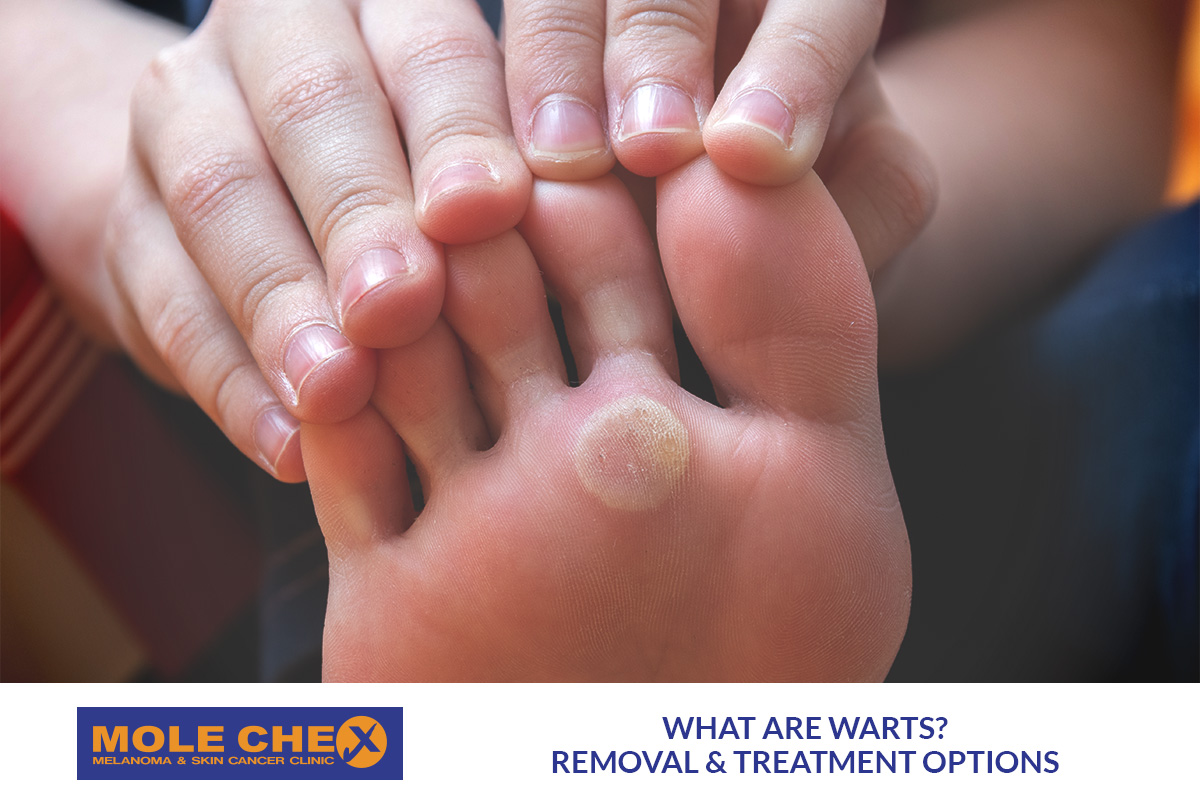
Warts are common skin growths that affect people of all ages. Although they are usually harmless, they can spread quickly, cause discomfort and in some cases, lead to embarrassment. By understanding the different types of it, their causes and the most effective treatments, you can manage them confidently. If you are considering wart treatment in Brisbane, this guide provides the information you need to make informed decisions about care and prevention.
What Are Warts?
Warts are benign growths that develop when the human papillomavirus (HPV) infects the skin. The virus enters through small cuts or abrasions and triggers rapid cell growth, resulting in a raised lesion.
Because HPV spreads easily, warts are contagious. You can transmit them to yourself by touching other areas of your body or to others through direct contact and contaminated surfaces. Therefore, recognising it early and seeking professional advice helps reduce the risk of spreading them further.
Common Types of Warts
Warts vary in appearance depending on the strain of HPV and the affected area. The most common types include:
- Common warts – Rough, raised bumps that usually develop on the hands and fingers.
- Plantar warts – Found on the soles of the feet. They grow inward due to pressure and often cause discomfort while walking.
- Flat warts – Small, smooth lesions that appear in clusters on the face, arms or legs.
- Filiform warts – Narrow, finger-like growths that form around the mouth, nose or eyes.
- Genital warts – Linked to specific HPV strains, these require immediate medical attention.
Because each type responds differently to treatment, consulting a specialist ensures accurate diagnosis and an effective plan of care.
How Warts Spread
HPV spreads quickly through both direct and indirect contact. For example, touching a wart or sharing towels can transfer the virus. In addition, HPV thrives in warm, moist environments, which is why communal showers, swimming pools and gym floors often increase the risk of infection.
When the skin is broken through nail-biting, shaving cuts or scrapes, the virus gains easy entry. As a result, children, athletes and people with skin injuries are more likely to develop warts.
Risk Factors for Warts
Not everyone who comes into contact with HPV will develop it. However, certain factors increase susceptibility:
- Weak immune system – People with underlying health conditions or those taking immunosuppressive medications have a higher risk.
- Age – Children and teenagers commonly develop it, while older adults may experience recurring or stubborn warts.
- Skin conditions – Issues such as eczema or psoriasis create openings that allow HPV to enter.
- Lifestyle habits – Nail-biting, smoking and poor nutrition weaken natural defences and increase risk.
By identifying these risk factors, you can take preventive steps to strengthen your defences against HPV.
Treatment Options for Warts in Brisbane
Although some warts disappear on their own over time, many people choose treatment to relieve discomfort, stop spreading and restore clear skin. Treatment options include both medical procedures and home remedies.
Medical Treatments
- Cryotherapy – A dermatologist applies liquid nitrogen to freeze the wart. Multiple sessions may be necessary.
- Topical medications – Treatments containing salicylic acid gradually dissolve wart tissue.
- Trichloroacetic acid – Applied in clinical settings for resistant warts.
- Laser therapy – Uses focused light to destroy wart tissue with precision.
- Minor surgery – In some cases, doctors remove it through excision or cauterization.
- Immunotherapy – Stimulates the immune system with injections or topical agents to fight HPV directly.
Home Remedies
For smaller warts, some people try at-home methods:
- Over-the-counter salicylic acid treatments – Applied regularly to thin the wart.
- Duct tape method – Covering the wart for several days, then gently filing the area.
- Soaking and filing – Softening the skin with warm water before carefully using a pumice stone.
Although home remedies may help, there are chances of infections so you should consult a doctor if it is painful, spreading or located in sensitive areas.
Prevention Strategies
Because HPV spreads easily, prevention plays an essential role in reducing outbreaks. You can lower your risk by following these measures:
- Wash your hands regularly and avoid touching warts.
- Wear sandals or flip-flops in public showers and swimming pools.
- Keep your skin moisturised to protect against cracks and abrasions.
- Avoid nail-biting and picking at skin.
- Do not share personal items such as razors, socks or towels.
- Consider HPV vaccination to protect against high-risk strains.
By practicing these strategies, you reduce the likelihood of developing new warts and protect others from infection.
Common Misconceptions About Warts
Many people believe myths about warts that create unnecessary stigma. For example, some assume that poor hygiene causes it. In reality, warts result from HPV, not cleanliness. Others believe warts always spread by touch, when in fact the virus often requires broken skin to establish infection.
Separating facts from myths encourages people to seek treatment without hesitation and reduces the stigma associated with this common condition.
When to See a Doctor
Although some warts resolve on their own, professional treatment becomes necessary in certain cases. You should see a doctor if:
- A wart changes in size, colour or shape.
- A wart becomes painful, bleeds or shows signs of infection.
- Multiple warts appear suddenly or spread rapidly.
- Warts develop on the face, genitals or other sensitive areas.
By seeking timely professional help, you ensure safe and effective treatment tailored to your specific needs.
Wart Treatments at Molechex
At Molechex, we specialise in providing comprehensive skin care solutions, including the diagnosis and treatment of warts. Our experienced team uses evidence-based methods such as cryotherapy, topical treatments and advanced medical procedures to ensure effective results. We also focus on prevention strategies, guiding patients on how to reduce future outbreaks and maintain healthier skin.
Whether you are dealing with a painful plantar wart, stubborn common wart or require specialised care for uncommon types, our Brisbane-based clinic can design a personalised treatment plan that suits your skin type and lifestyle.
Take the first step toward clear, healthy skin by booking an appointment with Molechex today.
Conclusion
Warts are widespread skin growths caused by HPV, but they are manageable with proper care. By understanding their causes, recognising risk factors and exploring available treatment options, you can prevent complications and maintain healthy skin. If you are considering wart removal in Brisbane, a skin specialist can provide safe, proven and effective solutions.
Learn more by reading other articles :