
What Is Skin Needling? How Needling Treatment Works
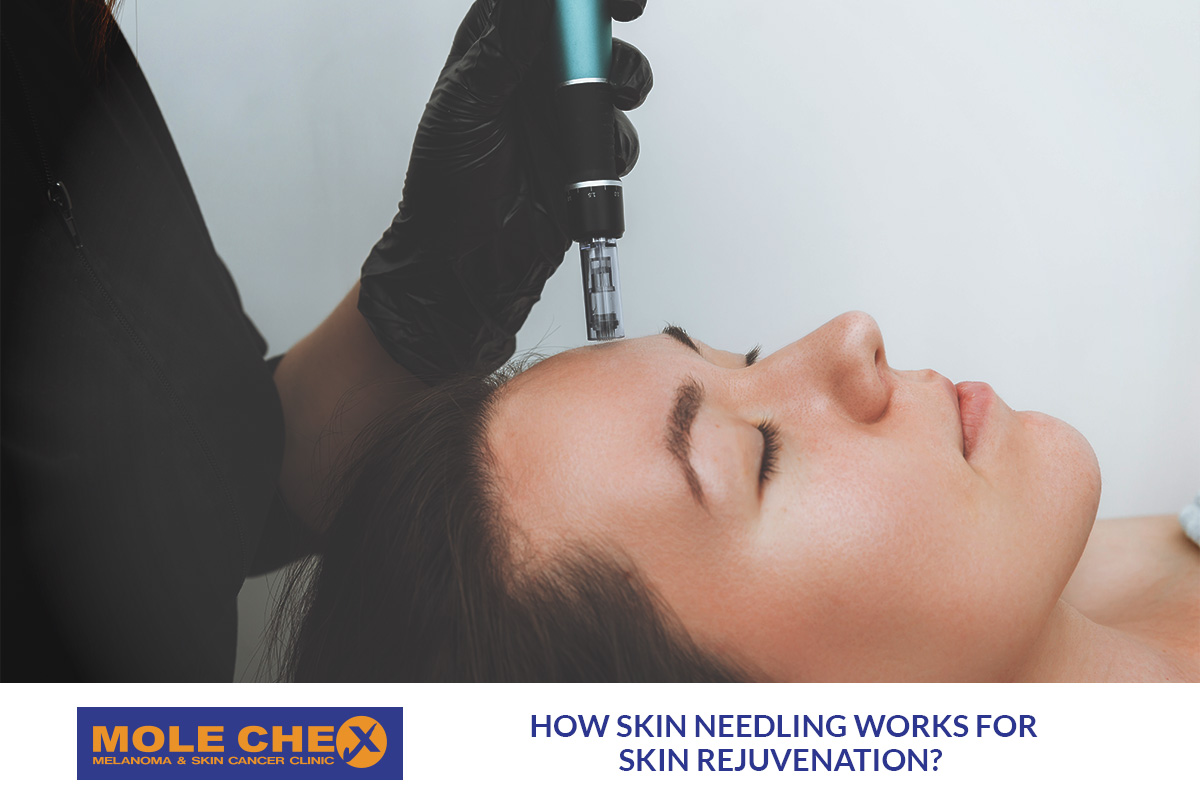
Skin needling is a medical skin rejuvenation treatment that uses fine, sterile needles to create controlled micro-injuries in the skin. Clinicians perform skin needling to stimulate the body’s natural healing response and encourage skin renewal from within.
As the skin repairs itself, it produces increased amounts of collagen and elastin. These proteins support skin firmness, elasticity and structure. For this reason, healthcare professionals often refer to skin needling as collagen induction therapy.
In medical skin clinics, trained doctors perform skin needling using advanced devices that allow precise control over needle depth. This approach ensures the treatment targets specific skin concerns safely and effectively.
How Does Skin Needling Work?
Skin needling works by activating the skin’s natural repair mechanisms. First, the controlled micro-injuries signal the body to increase blood flow and deliver growth factors to the treated area. Then, the skin begins rebuilding collagen and elastin fibres.
Over time, this process helps to:
- Improve skin texture and smoothness
- Strengthen the skin’s structure
- Enhance skin tone and firmness
- Support long-term skin rejuvenation
Because collagen production takes time, skin needling results develop gradually. Therefore, most people notice visible skin improvements over several weeks to months.
What Skin Concerns Can Skin Needling Help Improve?
Medical professionals commonly use skin needling to support improvement in a wide range of skin concerns. However, suitability depends on individual skin assessment and medical history.
Skin needling is commonly used for:
- Fine lines and wrinkles
- Acne scars and post-acne marks
- Uneven skin texture and tone
- Enlarged pores
- Sun-damaged skin
- Mild pigmentation concerns
- Stretch marks in selected areas
While skin needling can significantly improve skin quality, results vary between individuals. Consequently, clinicians discuss realistic outcomes during consultation.
What Happens Before a Skin Needling Treatment?
Before starting skin needling, patients attend a comprehensive consultation with a qualified healthcare professional. During this appointment, the clinician assesses the skin, reviews medical history and confirms suitability for treatment.
Additionally, the clinician:
- Explains how skin needling works
- Discusses benefits, risks and expected outcomes
- Provides pre-treatment skincare advice
- Recommends sun protection before treatment
In some cases, patients may need to stop using certain active skincare products prior to skin needling.
What Happens During a Procedure?
On the day of treatment, the clinician cleanses and prepares the skin. If required, they apply a topical numbing cream to improve comfort.
Next, the clinician uses a medical-grade skin needling device to treat the skin. They adjust the needle depth based on the treatment area and skin concern. Throughout the procedure, the clinician follows strict hygiene and safety protocols.
Most skin needling treatments take between 20 and 60 minutes, depending on the area being treated.
What Does Skin Needling Feel Like?
Most people describe skin needling as mildly to moderately uncomfortable rather than painful. Typically, patients feel a light scratching or vibrating sensation during the procedure.
However, areas with thinner skin, such as the forehead, may feel more sensitive. After treatment, redness, warmth and mild swelling are common but usually settle within a few days.
What Happens After Skin Needling?
After skin needling, the skin immediately enters its healing phase. During this time, patients may notice redness similar to mild sunburn, along with tightness or sensitivity.
Over the following days:
- Redness gradually reduces
- The skin may feel dry or lightly flaky
- The complexion often appears brighter and smoother
Most people return to normal activities quickly. However, clinicians strongly advise gentle skincare and strict sun protection during recovery.
Is Skin Needling Safe?
When experienced medical professionals perform skin needling in a clinical setting, the treatment is generally safe. Clinicians reduce risks by using sterile equipment, correct techniques and personalised aftercare instructions.
Skin needling may not be suitable for people with:
- Active acne, infections or cold sores
- Certain inflammatory skin conditions
- A history of keloid scarring
- Medical conditions affecting wound healing
- Active skin cancer in the treatment area
Therefore, a medical consultation is essential before treatment.
How Many Sessions Are Needed?
Clinicians usually recommend a course of skin needling treatments rather than a single session. Most treatment plans involve multiple sessions spaced several weeks apart.
As a result:
- Skin quality improves progressively
- Collagen production increases over time
- Results continue to develop over three to six months
Maintenance treatments may also be recommended to support long-term skin health.
Skin Needling vs. Other Skin Rejuvenation Treatments
Skin needling differs from other skin rejuvenation treatments such as microdermabrasion, chemical peels and laser therapy.
For example:
- Skin needling works beneath the skin surface
- It stimulates collagen without heat or light
- It suits a wide range of skin tones
- It complements treatments such as PRP and LED light therapy
Therefore, clinicians often include skin needling as part of a personalised skin treatment plan.
Conclusion
Skin needling is a clinically supported skin rejuvenation treatment that stimulates collagen production and supports natural repair. By working with the body’s healing processes, skin needling offers a gradual, non-surgical option for improving texture, tone and overall appearance.
At Molechex, clinicians provide skin needling with a strong focus on medical safety, evidence-based care and personalised treatment planning. This approach supports informed decision-making and long-term skin health.
This information is general in nature and does not replace professional medical advice.
Learn more by reading other articles :