
What Is Shingles? Symptoms, Causes, Treatment and Prevention
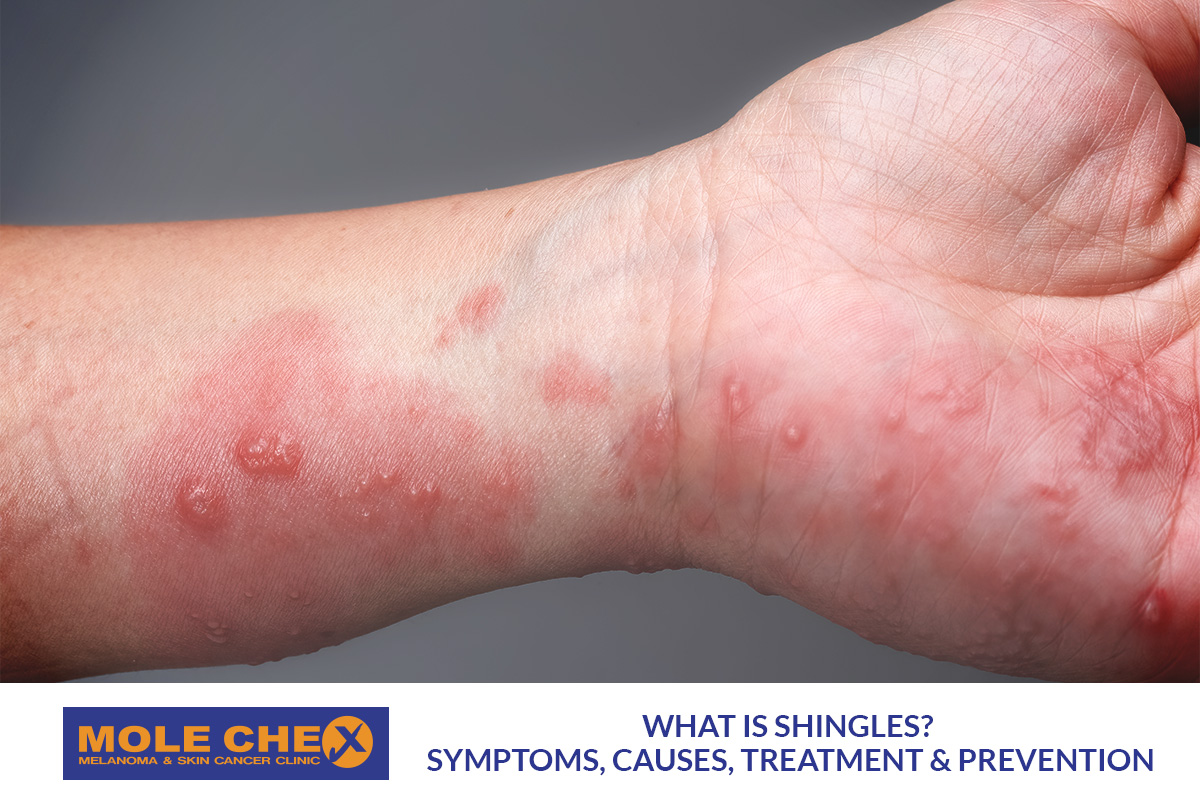
Shingle is a viral infection that causes a painful, blistering skin rash and nerve pain. It develops when the chickenpox virus becomes active again later in life. it is common in Australia, particularly among people aged over 50 and those with weakened immune systems. This guide explains what it is, its symptoms, causes, treatment options and how it can be prevented.
What Is Shingles?
Shingles, medically known as herpes zoster, is a viral infection caused by the varicella-zoster virus. This is the same virus that causes chickenpox.
After a person recovers from chickenpox, the virus remains dormant in the nerve cells. Later in life, the virus can reactivate and cause shingles. When this happens, the virus travels along nerve pathways to the skin. As a result, it usually causes a one-sided rash that follows a nerve pattern, known as a dermatome.
Overall, around one in three people will develop shingles at some point in their lifetime.
Early Symptoms
Shingles often begins with early symptoms before the rash appears. Typically, these symptoms develop 2 to 3 days beforehand.
Common early symptoms include:
- Burning, tingling or stabbing pain in one area of skin
- Itching or extreme skin sensitivity
- Headache
- Fatigue or feeling unwell
- Sensitivity to light
Importantly, these symptoms usually affect one side of the body. Soon after, a rash appears in the same area.
What Does the Shingles Rash Look Like?
After the early symptoms, a shingles rash develops on sensitive skin.
At first, the rash appears as painful red bumps. Shortly afterwards, these bumps turn into fluid-filled blisters. The blisters may itch, sting or cause significant pain. Over time, the blisters burst, dry out and form a crust.
In most cases:
- The rash lasts 10 to 15 days
- Healing can take several weeks
- Pain may persist after the rash clears
Shingles commonly affects the:
- Chest or back
- Abdomen
- Face or scalp
- Pelvic area
What Causes Shingles?
It occurs when the varicella-zoster virus reactivates. Although the exact trigger is not always clear, certain factors increase the likelihood of reactivation.
These include:
- Increasing age, especially over 50
- A weakened immune system
- Physical or emotional stress
- Illness or infection
- Cancer treatments or radiotherapy
- Trauma affecting nerves
As immune function naturally declines with age, older adults have a higher risk of developing it and complications.
Who Is Most at Risk of Shingles?
Only people who have previously had chickenpox can develop shingles. Even mild childhood chickenpox can lead to it later in life.
It is more common in:
- People aged 50 years and over
- People with weakened immune systems
- People who had chickenpox in infancy
Most people experience it only once. However, people with immune suppression may develop shingles more than once.
How Shingles Is Diagnosed
Doctors usually diagnose it by:
- Asking about symptoms
- Examining the rash pattern
Because shingles follows a nerve distribution, the diagnosis is often clear. However, doctors may test blister fluid or request a blood test if confirmation is needed.
Treatment Options for Shingles
There is no cure for it. However, early treatment can reduce severity and lower the risk of complications.
Treatment may include:
- Antiviral medicines, most effective when started within 72 hours of rash onset
- Pain-relief medications
- Additional treatments if pain is severe or prolonged
Early medical care is especially important if it affects the face or eyes or if the person has a weakened immune system.
Managing the Shingles Rash at Home
In addition to medical treatment, self-care can help relieve symptoms.
Helpful measures include:
- Keeping the rash clean and dry
- Gently patting the skin dry after bathing
- Avoiding scratching to prevent infection and scarring
- Wearing loose-fitting clothing
- Applying cool compresses to ease discomfort
Covering the rash also helps reduce the risk of spreading the virus to others.
Can Shingles Be Prevented?
Vaccination is the most effective way to reduce the risk of shingles and its complications. Although vaccination does not completely eliminate the risk, it significantly lowers the chance of developing it and severe disease.
In Australia, shingles vaccination is recommended for:
- People aged 50 years and over
- People aged 18 years and over with weakened immune systems
- People living with someone who is immunocompromised
How Shingles Spreads
You cannot catch it from another person. However, someone with shingles can transmit the virus to a person who has never had chickenpox, causing chickenpox instead.
The virus spreads through:
- Direct contact with fluid from its blisters
- Contact with contaminated clothing, bedding or dressings
Once the blisters crust over, the person is no longer infectious.
When to See a Doctor
Seek medical care promptly if you:
- Suspect shingles
- Develop a rash near the eyes or face
- Experience severe or worsening pain
- Have a weakened immune system
- Are pregnant
Early diagnosis and treatment improve recovery and reduce complications.
Conclusion
Shingles is a common viral infection caused by the reactivation of the chickenpox virus. While it can affect people of any age, older adults and those with weakened immune systems face a higher risk of complications. Recognising early symptoms, seeking prompt medical care and understanding prevention options such as vaccination can significantly reduce the impact of this condition.
Molechex doctors can assess shingles symptoms early, provide accurate diagnosis and support appropriate medical management. Timely care helps reduce discomfort, monitor complications and support recovery.
*This information is general in nature and does not replace professional medical advice. Please consult a qualified healthcare professional for personalised guidance.