
Vitiligo: Causes, Symptoms and Treatment Options
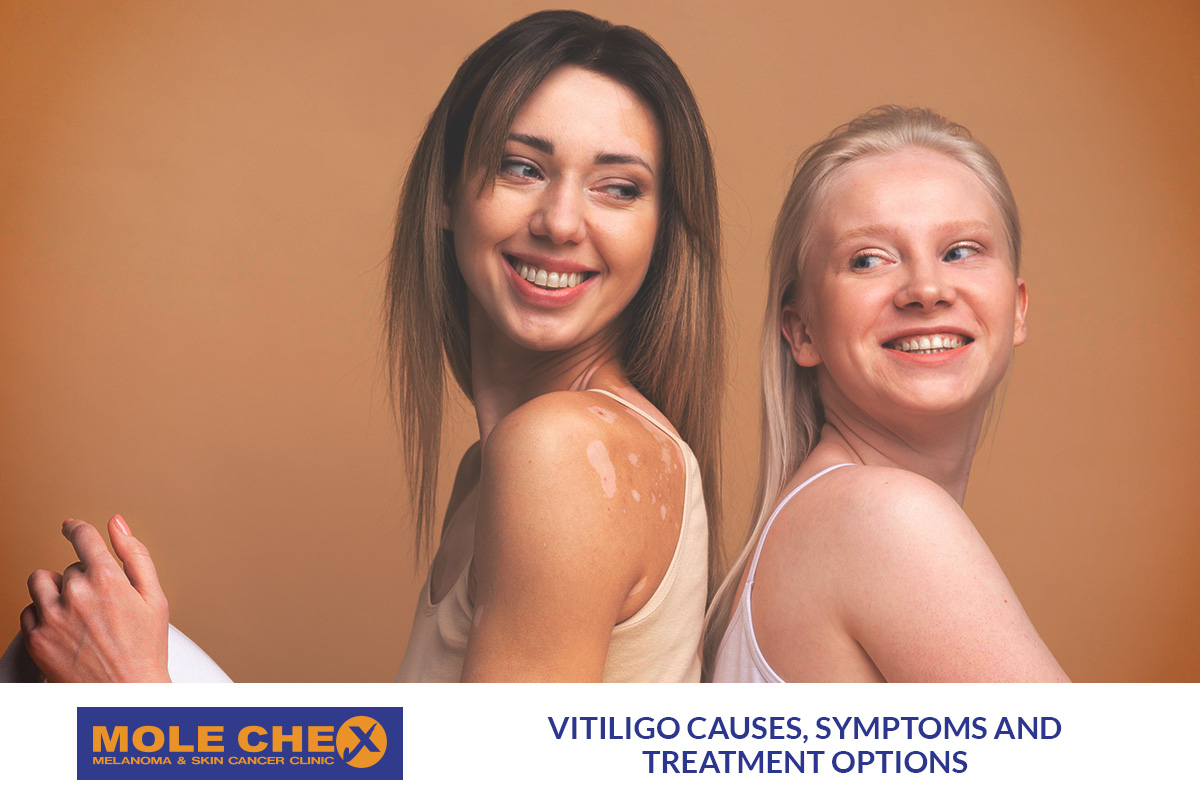
It is a long-term skin condition that causes areas of de-pigmentation, resulting in white patches on the skin. It affects people of all skin types but is often more visible in those with darker skin. While it does not cause physical harm, it can have a significant emotional and psychological impact. For those living, understanding it and accessing early treatment can make a meaningful difference.
What Is Vitiligo?
Vitiligo is a chronic autoimmune skin condition that causes a gradual loss of melanin, the pigment that gives skin its colour. This occurs when melanocytes the pigment-producing cells are mistakenly attacked by the immune system. The result is smooth, white patches on the skin, which can appear anywhere on the body.
In Queensland’s sun-exposed environment, these patches are more prone to sunburn, making sun protection an essential part of vitiligo management in Brisbane.
Who Gets Vitiligo?
Vitiligo can affect anyone, regardless of age or gender, but certain patterns have emerged:
- It affects 0.5 to 2 percent of the global population
- Most cases begin between ages 10 and 30
- Both males and females are equally affected
- Around 20 to 30 percent of cases have a family history
- People with other autoimmune disorders (e.g., thyroid disease, type 1 diabetes) are at higher risk
- Segmental vitiligo is more common in children, while adults usually have non-segmental vitiligo
Early recognition of symptoms and consultation with a skin doctor can improve outcomes and prevent further progression.
What Causes Vitiligo?
Vitiligo does not have one single cause. Instead, several factors may contribute to its onset:
- Genetic predisposition: Up to 80 percent of risk may be inherited
- Immune dysfunction: The immune system targets melanocytes, causing pigment loss
- Oxidative stress: Imbalances in skin cells increase vulnerability
- Environmental triggers: These include skin trauma, sunburn and emotional stress
Understanding these underlying causes helps in tailoring effective treatment plans.
What Are the Symptoms?
The most noticeable symptom is the appearance of milky-white patches on the skin, often found on:
- The face and around the eyes or mouth
- Hands, fingers, arms and feet
- Body folds (armpits, groin)
- Areas prone to friction or injury
- Scalp, leading to white or grey hair (leukotrichia)
These patches usually appear gradually and may spread over time. Some individuals also report minor itchiness in active areas. If you notice white patches on your skin, especially in sun-exposed areas, it is important to seek a professional skin assessment.
Types of Vitiligo
Vitiligo is categorised into different types based on its distribution:
- Non-segmental vitiligo (NSV): The most common type, affecting both sides of the body symmetrically
- Segmental vitiligo (SV): Typically affects one side and often starts earlier in life
- Mixed vitiligo: A combination of segmental and non-segmental features
- Unclassified/localised vitiligo: Includes isolated or early forms that do not fit into other categories
Identifying the type helps guide the most suitable vitiligo treatment options.
How Is it Diagnosed?
Most cases are diagnosed based on physical examination. However, doctors may use several tools for better accuracy:
- Wood’s lamp examination: Makes white patches more visible under UV light
- Dermoscopy: Provides detailed skin visuals to assess activity
- Blood tests: Check for thyroid function and vitamin B12 levels
- Skin biopsy: Rarely needed, but can confirm loss of melanocytes in complex cases
Treatment Options for Vitiligo in Brisbane
While there is no known cure for vitiligo, several treatments aim to stabilise the condition and restore pigment. The effectiveness of these options varies and results depend on factors such as the location of the patches, how long they have been present and how active the condition is.
Topical Therapies
Some treatments applied directly to the skin may help restore pigment or slow progression. These are usually recommended for small, newly developed patches or areas like the face and neck. Doctors may recommend different types of topical agents depending on skin sensitivity and severity.
Light Therapy
Phototherapy is one of the most widely used treatments for vitiligo. In this method:
- The skin is exposed to controlled UV light under medical supervision
- Treatment usually occurs two to three times per week
- Light therapy helps stimulate pigment cell activity and may suppress local immune response
- The best results are usually seen on the face and upper body
Targeted light treatments may also be used for smaller areas.
Surgical Options
In cases where vitiligo is stable and has not changed for a long period, surgical options may be considered:
- Skin grafts from pigmented areas
- Transplantation of pigment cells
- Techniques that encourage re-pigmentation in stubborn or resistant areas
These procedures are typically reserved for small, localised patches that have not responded to other treatments.
Camouflage and Skin Protection
In addition to medical treatment, people with vitiligo often benefit from cosmetic and protective strategies:
- Use of makeup or self-tanning products to blend de-pigmented areas with surrounding skin
- Daily application of broad-spectrum sunscreen to protect against UV damage
- Wearing sun-protective clothing, especially during high UV hours
- Avoiding tight clothing or activities that cause repeated friction or trauma to the skin
Together, these measures support both skin health and confidence.
Mental Health and Coping Strategies
Living with vitiligo often affects confidence and emotional wellbeing. Many people experience:
- Social anxiety or embarrassment
- Lower self-esteem, especially during adolescence
- Challenges in professional or personal interactions
Support strategies include:
- Counselling or therapy
- Cognitive behavioural therapy (CBT)
- Support groups and online communities
- Education for family and friends to promote understanding
Psychological support is a vital part of vitiligo management and can significantly improve quality of life.
Conclusion
Vitiligo is a complex skin condition with both physical and emotional implications. Although it cannot be prevented or cured, early recognition and personalised treatment can make a significant difference. Through a combination of light therapy, topical care, sun protection and psychological support, people with vitiligo can effectively manage their symptoms and improve their quality of life.
If you notice white patches developing on your skin, especially in sun-exposed areas, seeking early medical advice is an important first step toward managing the condition. At Molechex, we specialise in comprehensive skin care services, including the diagnosis of pigment-related conditions. Our experienced team of GPs and skin doctors provides tailored assessments, treatment options and ongoing support to help you manage your skin with confidence and care.
Learn more by reading other articles :