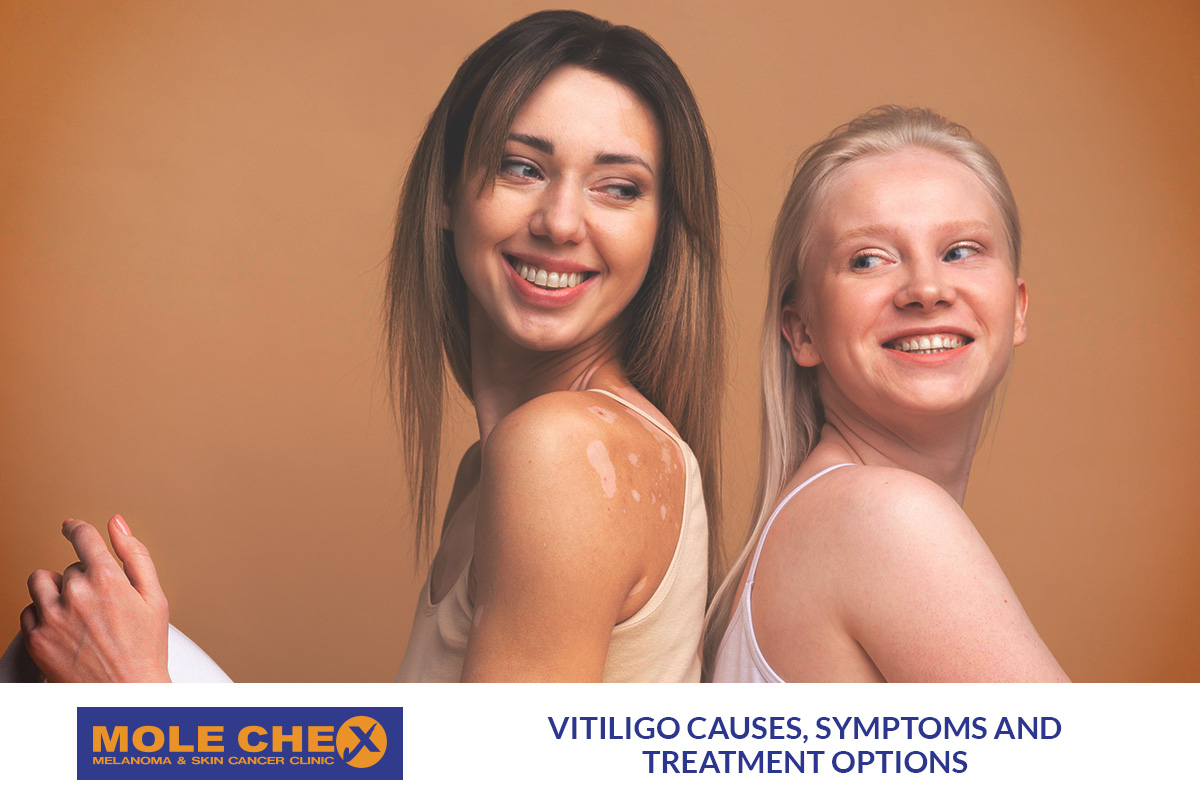
Vitiligo is a long-term skin condition that causes white patches due to loss of pigment. Though not physically harmful, it can deeply affect emotional wellbeing. This article explores what causes vitiligo, symptoms to look for and effective treatment options. including light therapy, topical treatments, sun protection strategies.
Cancer Information
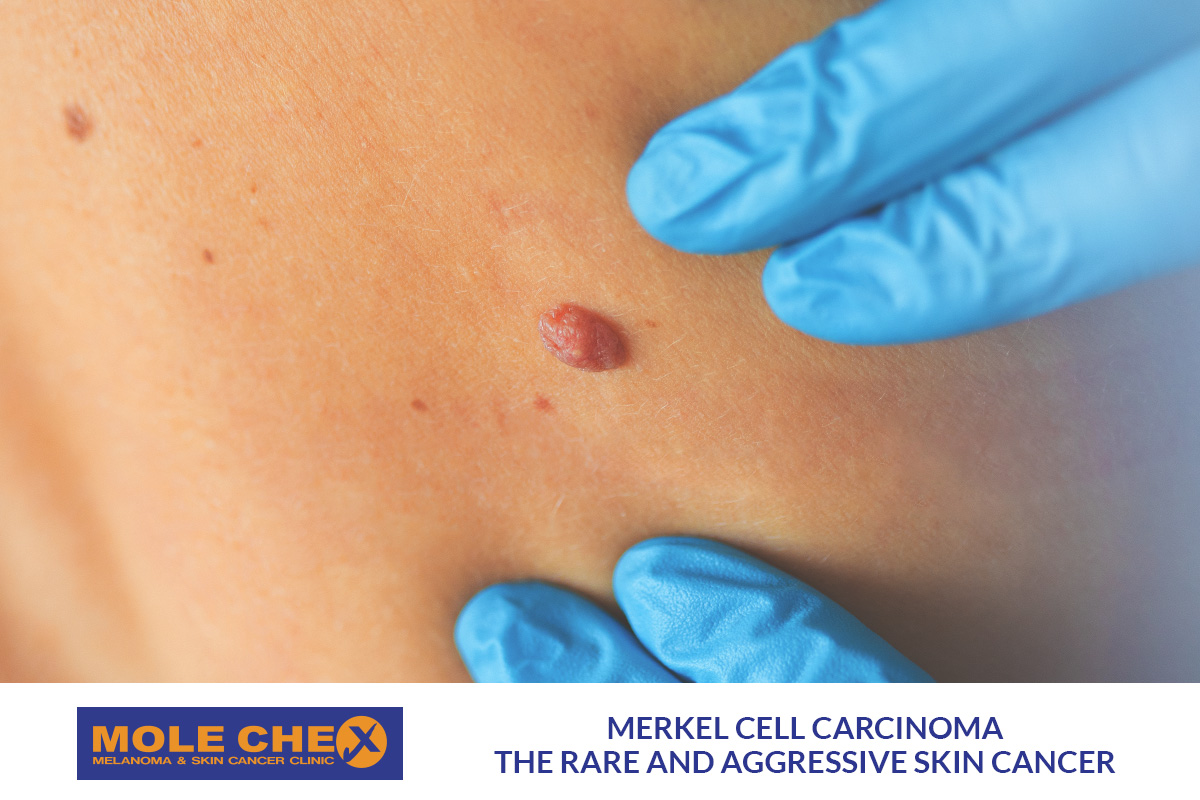
Merkel cell carcinoma (MCC) is a rare and fast-growing skin cancer that often appears on sun-exposed areas like the face or arms. Linked to UV damage and viral infection, MCC spreads quickly and can be life-threatening if not caught early. This article explains what MCC is, how it is diagnosed, risk factors for Australians and the latest treatment options available, including surgery, radiation and immunotherapy.
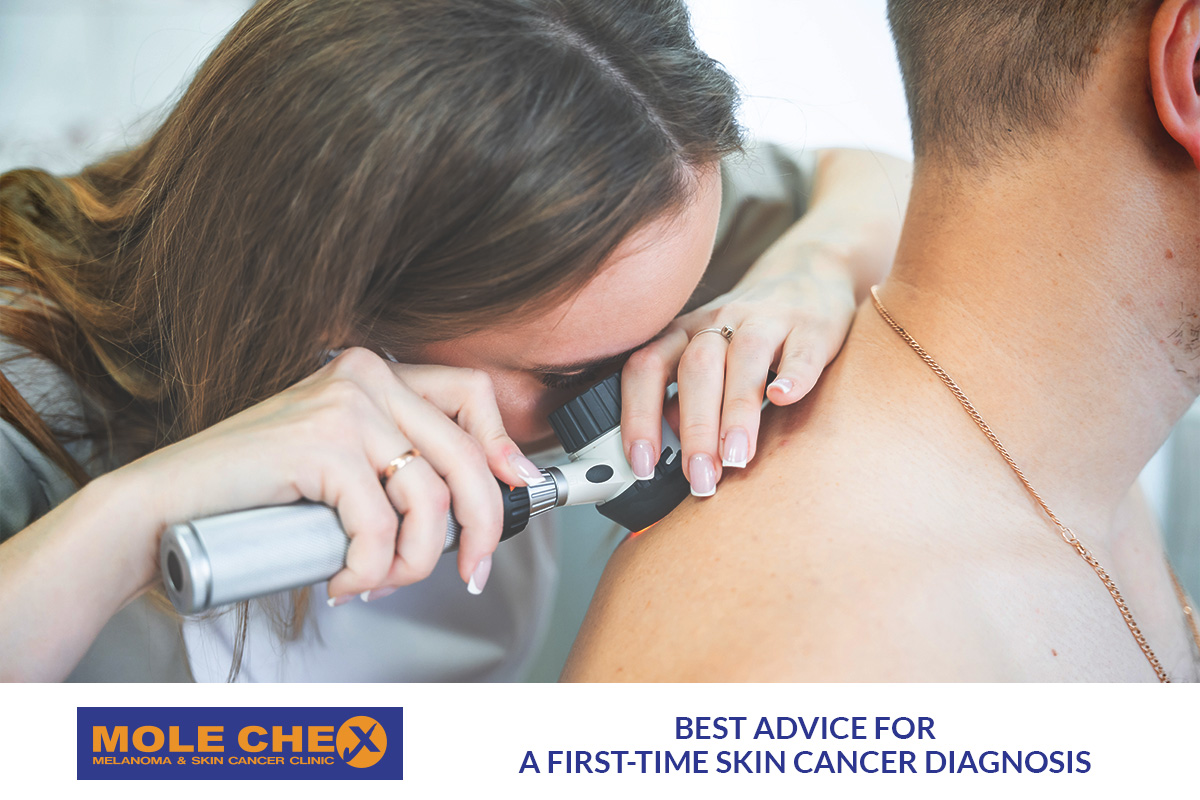
A first-time skin cancer diagnosis can be daunting, but knowing what to do next makes all the difference. Whether you are facing basal cell carcinoma, squamous cell carcinoma or melanoma, this guide offers clear, advice for patients. Discover immediate steps to take, treatment options available in Australia and how Molechex’s experienced GPs provide medical support, care and ongoing skin monitoring tailored to your needs.
While childhood skin cancer is uncommon, the risk of future melanoma begins with early UV exposure. This article explores the dangers of UV damage in children, high-risk factors, how to spot early signs and practical sun protection strategies. Parents can take simple yet powerful steps to reduce their child’s lifetime risk of skin cancer and promote lifelong skin health.
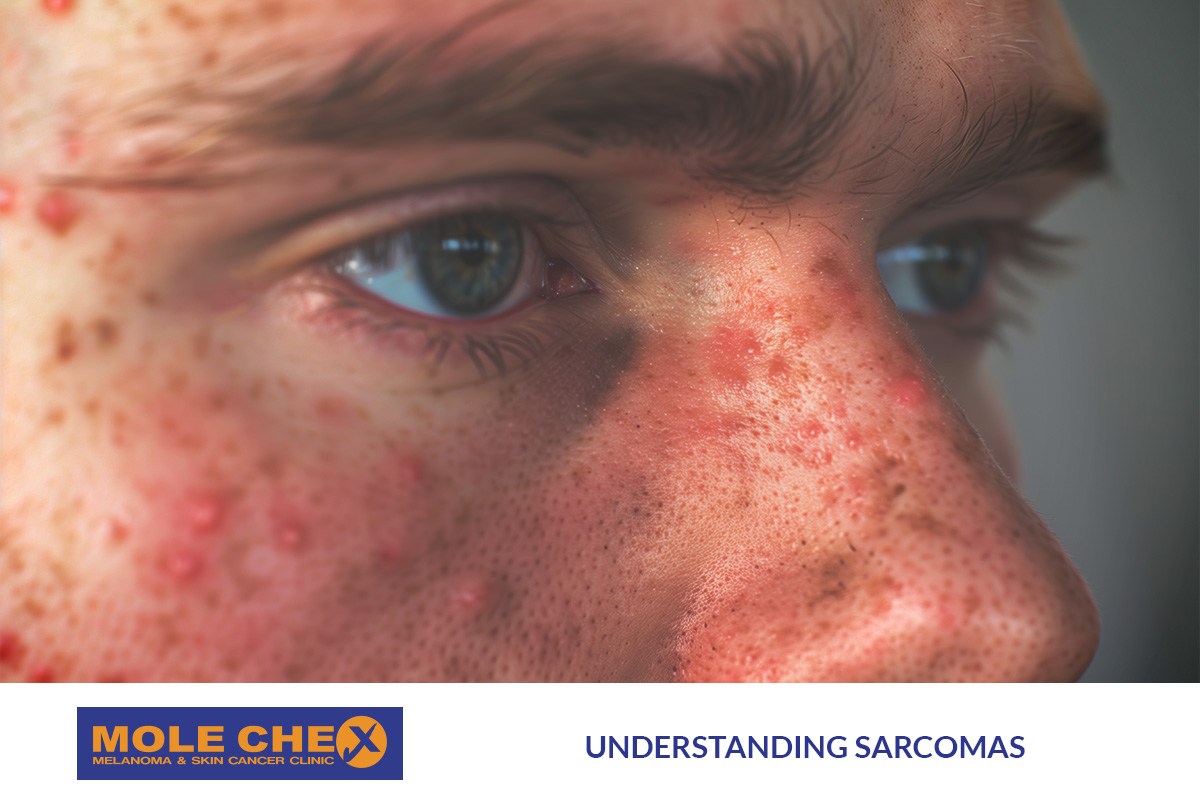
Sarcoma is a rare cancer that develops in connective tissues like muscles, fat, bones and blood vessels. Early detection is crucial, as symptoms often go unnoticed in the early stages. This guide covers sarcoma symptoms, risk factors, diagnosis methods, and treatment options, helping you stay informed and proactive about your health.
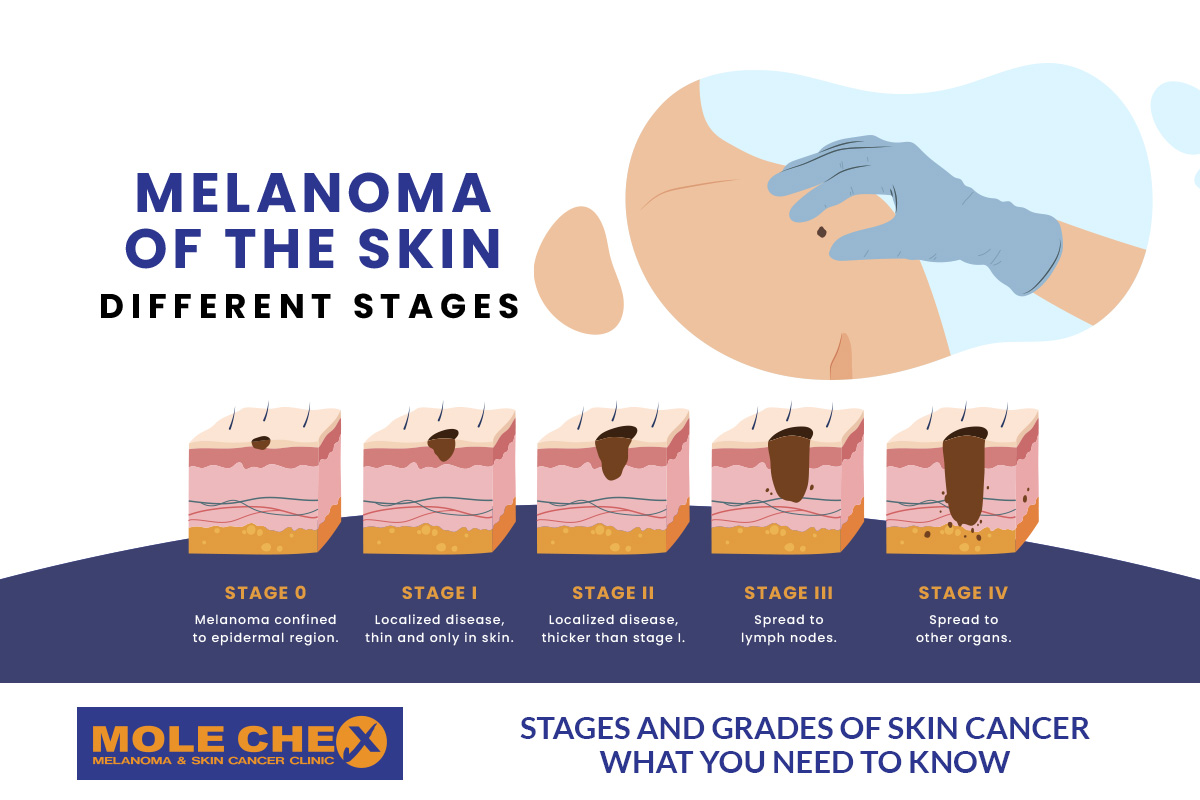
Skin cancer is one of the most common cancers in Australia, where high UV exposure raises risks for many. Understanding the stages and grades especially how far a cancer has spread and how abnormal the cells appear is essential for choosing the right treatment. In this guide, discover why early detection matters.
Cancer, a complex puzzle of genetic and environmental factors, can sometimes weave through families, leaving individuals grappling with questions and concerns.
In our exploration of the intricate relationship between genetics and cancer, we aim to shed light on the concept of a family history of cancer and what it entails. Let us spend this weekend with enlighten on how family history in general affects individuals with decreased or increased risk of skin diseases.