
What Are Varicose Veins? Causes, Symptoms and Treatments
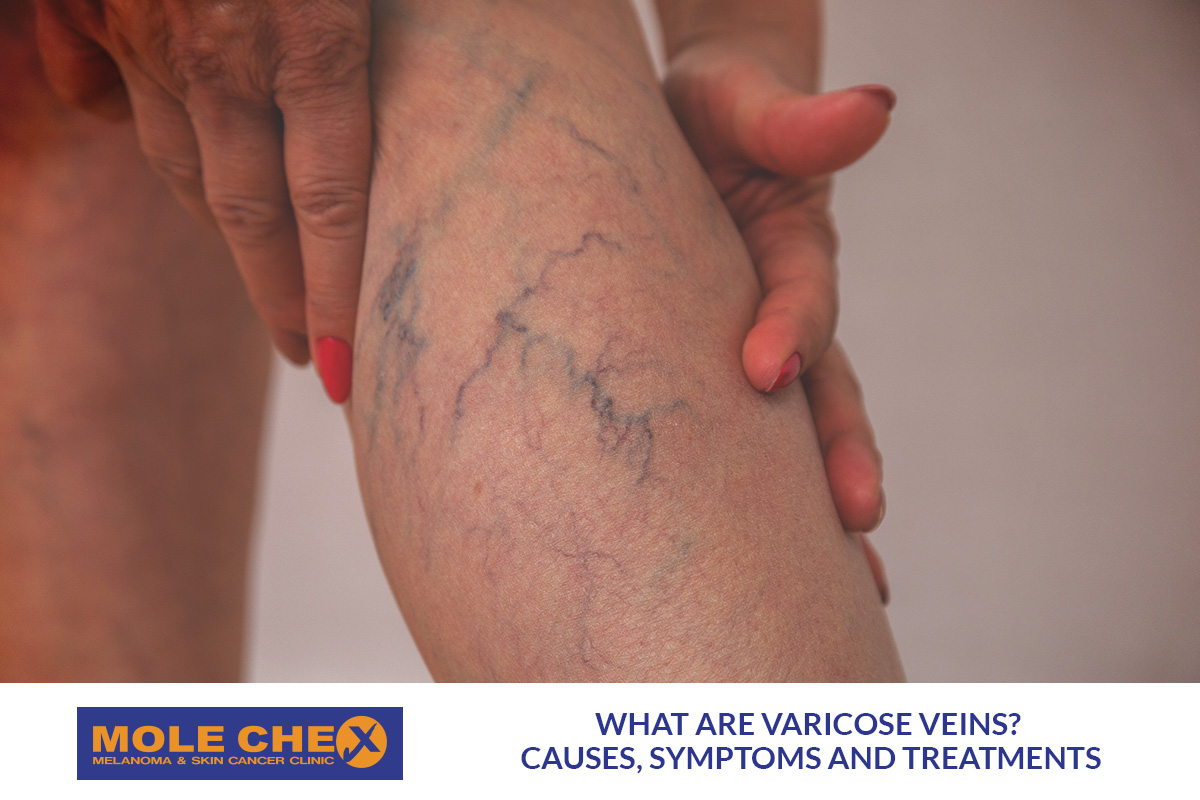
Varicose veins are a common vein condition that affects many Australians, especially as they get older. While some people worry about how it look, others experience discomfort or complications that affect daily life. The good news is that treatment for varicose veins is widely available in Australia and with the right care, you can improve both the appearance and health of your veins.
What This Article Covers
This guide will explain:
- What varicose veins are and how they develop
- Symptoms to watch out for
- Causes and risk factors that increase your chances of developing them
- When to see a doctor
- Diagnosis and treatment options available in Australia
- Lifestyle and self-care tips for managing it
What Are Varicose Veins?
Varicose veins are enlarged, twisted veins that sit just under the skin. They usually appear in the legs because standing and walking place extra pressure on the veins in the lower body.
You may notice them as bulging, blue or purple veins on the skin’s surface. While some people only see them as a cosmetic issue, others experience aching, swelling or restless legs.
varicose veins are particularly common in women and often become more noticeable during pregnancy due to hormonal changes and increased blood volume.
Symptoms of Varicose Veins
Not everyone experiences symptoms, but common signs include:
- Aching, throbbing or burning sensations in the legs
- Heavy or tired legs after long periods of standing
- Itchy or irritated skin over the affected veins
- Swollen ankles and feet
- Leg cramps or restless legs at night
- Skin discolouration, especially around the ankles
These symptoms often become worse at the end of the day or after standing for long hours.
What Causes Varicose Veins?
Varicose veins occur when the tiny valves in your veins stop working properly. Normally, these valves keep blood flowing upward towards the heart. When they weaken, blood flows backward and pools inside the veins. This extra pressure causes the veins to stretch, twist and become visible under the skin.
Risk Factors for Varicose Veins
Anyone can develop it, but some factors increase the risk:
- Age – the risk increases as veins lose elasticity over time
- Family history – genetics can make you more likely to develop them
- Pregnancy – hormonal changes and extra blood volume put pressure on veins
- Standing or sitting for long periods – common in some occupations
- Plus-sized body – increases strain on leg veins
- Previous blood clots – damaged veins from clots can lead to it
By understanding these risk factors, you can take early steps to support healthy circulation.
When Should You See a Doctor for Varicose Veins?
You should seek medical advice if:
- Your veins cause pain, heaviness or throbbing
- You notice swelling or skin changes on your legs
- Ulcers, rashes or bleeding appear near the veins
- You are concerned about how they look or feel
A GP can examine your veins and, if necessary, refer you to a vascular specialist for further treatment.
How Doctors does Diagnosis
Doctors usually start with a physical examination of your legs. They may also recommend an ultrasound scan, which shows how blood flows through your veins and helps detect underlying problems.
Varicose Vein Treatment Options in Australia
Treatment for varicose veins depends on their severity, location and your overall health. Common options include:
Sclerotherapy
A chemical solution is injected into the vein, which causes it to close and fade over time.
Endovenous Laser or Ablation Therapy
Heat is used to seal the affected vein, improving circulation in nearby healthy veins.
Surgery (Vein Stripping or Ligation)
In more severe cases, doctors remove the affected vein through small cuts in the skin.
These treatments are widely available in Australia and many patients experience improved comfort and appearance after treatment.
Compression Stockings
Doctors often recommend compression stockings as a first-line management option. These stockings gently squeeze the legs, helping blood move upwards and reducing swelling. To be effective, they should be professionally fitted and prescribed.
Lifestyle and Self-Care Tips for Varicose Veins
Alongside medical treatments, lifestyle changes can help ease symptoms and prevent it from worsening:
- Exercise regularly – walking and cycling improve circulation
- Avoid standing or sitting still for too long
- Elevate your legs whenever possible to reduce swelling
- Maintain a healthy weight to lower pressure on your veins
- Wear supportive footwear instead of high heels
Complications of Varicose Veins
If left untreated, it can sometimes cause complications, including:
- Varicose eczema – itchy, dry and inflamed skin
- Leg ulcers – slow-healing wounds, usually near the ankles
- Superficial thrombophlebitis – blood clots in surface veins
- Bleeding from the affected veins
These issues require prompt medical attention.
Can You Prevent Varicose Veins?
You cannot completely prevent it, but you can lower your risk by:
- Staying active with regular physical activity
- Avoiding sitting or standing in one position for too long
- Maintaining a healthy weight
- Resting with your feet elevated after long days on your feet
Frequently Asked Questions About Varicose Veins
No, varicose veins usually do not disappear without treatment. However, lifestyle changes and compression stockings can reduce symptoms.
Most are harmless, but in some cases, they can lead to ulcers, blood clots or bleeding. It is best to see a doctor if you notice any changes.
The best treatment depends on the severity of your condition. Sclerotherapy, laser therapy and surgery are all effective and your doctor can recommend the right option for you.
Yes, exercise improves circulation and strengthens muscles in the legs, which helps blood flow more efficiently.
Conclusion
Varicose veins are a common condition in Australia and while they are often seen as a cosmetic concern, they can also cause discomfort or lead to complications if ignored. By recognising the symptoms, understanding the causes and exploring treatment options, you can take proactive steps to manage your vein health.
If it is bothering you, speak with your GP. Early advice and care can improve both your comfort and your confidence.
At Molechex in Brisbane, our doctors has, expertise in the diagnosis and management of conditions like varicose veins. Our clinic combines advanced medical care with a patient-centred approach, offering services that range from comprehensive skin checks and skin cancer treatments to cosmetic and vascular care. Your vein and skin health matter and at Molechex, you are in experienced hands.
Learn more by reading other articles :