
Managing Pigmentation: Causes, Prevention & Treatments
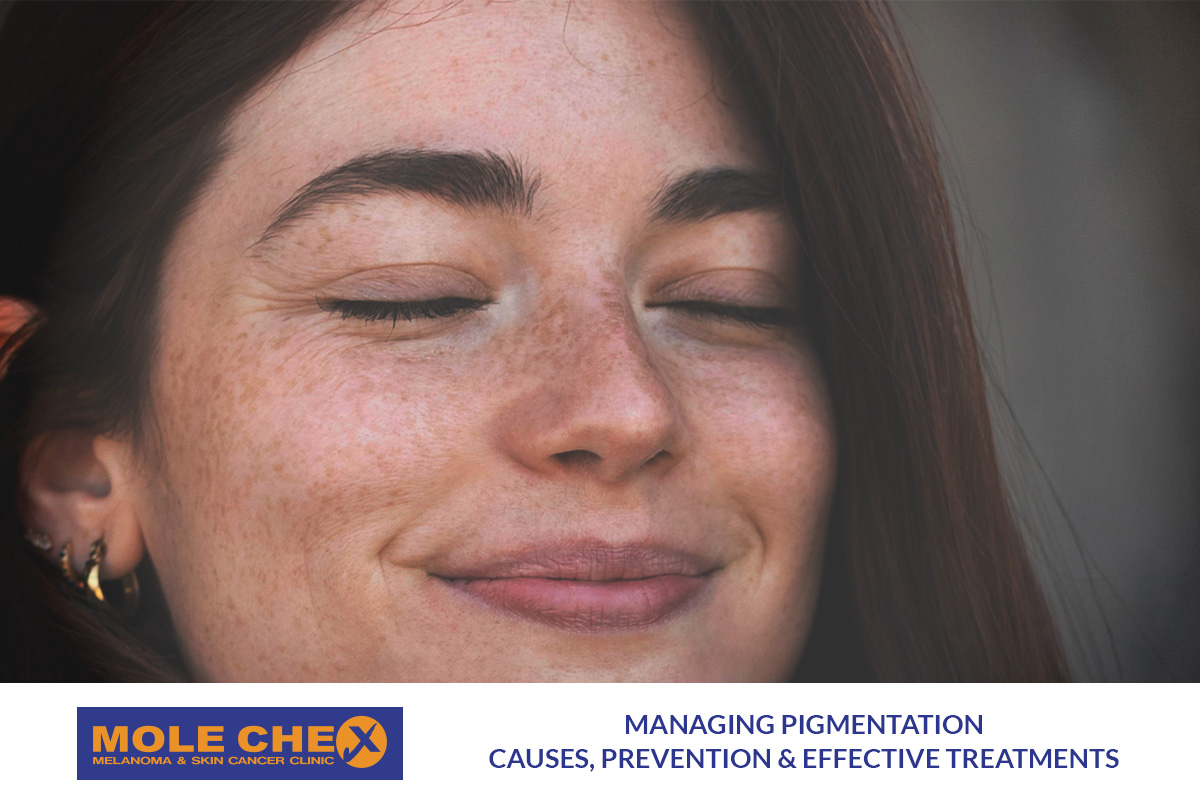
Pigmentation issues like melasma, sunspots and uneven skin tone are common across all skin types. These changes in skin colour may be harmless but can impact self-confidence and overall skin health. The good news is that pigmentation can be treated and managed effectively with the right skincare routine and professional guidance. In this article, we break down the causes of pigmentation, how to prevent it and what treatment options are available to restore a more even, radiant complexion.
What This Article Covers
- What pigmentation is and how it develops
- Types of pigmentation and their causes
- Practical prevention strategies
- Proven treatments for pigmentation
- When to consult a skin care professional
What Is Skin Pigmentation?
Skin pigmentation refers to the natural colour of the skin, primarily produced by melanin. When melanin production becomes uneven or excessive, hyper pigmentation occurs. This leads to dark spots or patches that may appear on the face, neck, décolletage or hands.
Pigmentation can be triggered by a number of internal and external factors, including sun exposure, hormonal changes, skin trauma and certain medications. While often a cosmetic concern, it is important to identify the underlying cause to choose the most appropriate treatment.
Common Types of Pigmentation
Sunspots (Solar Lentigines)
These flat, brown spots are caused by prolonged sun exposure. They typically develop on areas exposed to the sun, such as the face and hands.
Melasma
Characterised by symmetrical patches of pigmentation, melasma often appears on the cheeks, forehead and upper lip. Hormonal fluctuations—such as those during pregnancy or with contraceptive use—commonly trigger this condition.
Post-Inflammatory Hyper pigmentation (PIH)
PIH results from skin trauma or inflammation. It often follows acne, burns or cosmetic treatments and is more prevalent in medium to dark skin tones.
Freckles and Ephelides
Freckles are small, brown spots that become more prominent with sun exposure. While typically genetic, they can be reduced with proper sun protection and targeted treatments.
What Causes Pigmentation?
Understanding what triggers pigmentation is key to managing it effectively.
Sun Exposure
UV radiation increases melanin production, which contributes to sunspots, freckles and uneven skin tone.
Hormonal Changes
Shifts in oestrogen and progesterone levels can lead to melasma, especially during pregnancy or hormonal therapy.
Skin Injury or Inflammation
Any trauma—like cuts, acne or chemical burns—can lead to post-inflammatory hyper pigmentation.
Genetics
Some people are naturally more prone to pigmentation due to genetic factors.
Medications and Medical Conditions
Certain medications increase photosensitivity, while endocrine issues like thyroid disorders may influence melanin production.
How to Prevent Pigmentation
Preventing pigmentation is often more effective than treating it. The following strategies can significantly reduce your risk:
Daily Sunscreen Use
Apply a broad-spectrum SPF 30 or higher every day. Reapply every two hours if you are outdoors, especially in sunny or reflective environments.
Wear Protective Clothing
Wide-brimmed hats, long sleeves and UV-blocking fabrics help shield the skin from direct sun exposure.
Limit Time in Direct Sunlight
Avoid the outdoors during peak UV hours, typically between 10 a.m. and 4 p.m.
Use Gentle Skincare Products
Harsh treatments can irritate the skin and worsen pigmentation. Choose products formulated for sensitive or pigmentation-prone skin.
Effective Treatments for Pigmentation
Several safe and effective treatment options are available to reduce visible pigmentation and improve skin tone.
Topical Agents
Ingredients such as hydroquinone, azelaic acid, vitamin C, niacinamide and retinoids help fade pigmentation by reducing melanin production.
Chemical Peels
These treatments remove the outer layers of skin, revealing a more even-toned layer beneath. Peels are especially effective for treating surface-level pigmentation like sunspots.
Laser Therapy
Laser treatments target excess melanin, breaking it down so the body can naturally eliminate it. Different lasers are chosen based on the depth and type of pigmentation.
Intense Pulsed Light (IPL)
IPL uses light energy to target pigment and stimulate collagen, helping reduce sun damage and redness.
Micro needling
This procedure uses fine needles to stimulate skin repair. It is effective for post-inflammatory pigmentation and improving skin texture.
PRP Therapy (Platelet-Rich Plasma)
PRP encourages healing and collagen production. When used alongside topical agents or micro needling, it enhances pigmentation reduction and overall skin rejuvenation.
When to See a Skin Care Professional
Although pigmentation is usually harmless, it is important to consult a qualified GP or skin professional if you notice sudden changes, irregular borders or new patches. Pigmentation can resemble early signs of skin cancer or other skin conditions, so a proper diagnosis is essential.
At Molechex, our skin-focused GPs offer thorough assessments and personalised care plans. Whether you are dealing with sun damage, melasma or unexplained pigmentation, we can recommend safe and effective options suited to your skin type.
Conclusion
Pigmentation may be a common skin concern, but it does not have to be permanent. With preventative care, consistent sun protection and evidence-based treatments, you can achieve a more even and radiant complexion. If you are concerned about hyper pigmentation, melasma or sun damage, consult a skin-focused GP or qualified cosmetic professional to explore your treatment options.
Learn more by reading other articles :