
Merkel Cell Carcinoma: The Rare and Aggressive Skin Cancer
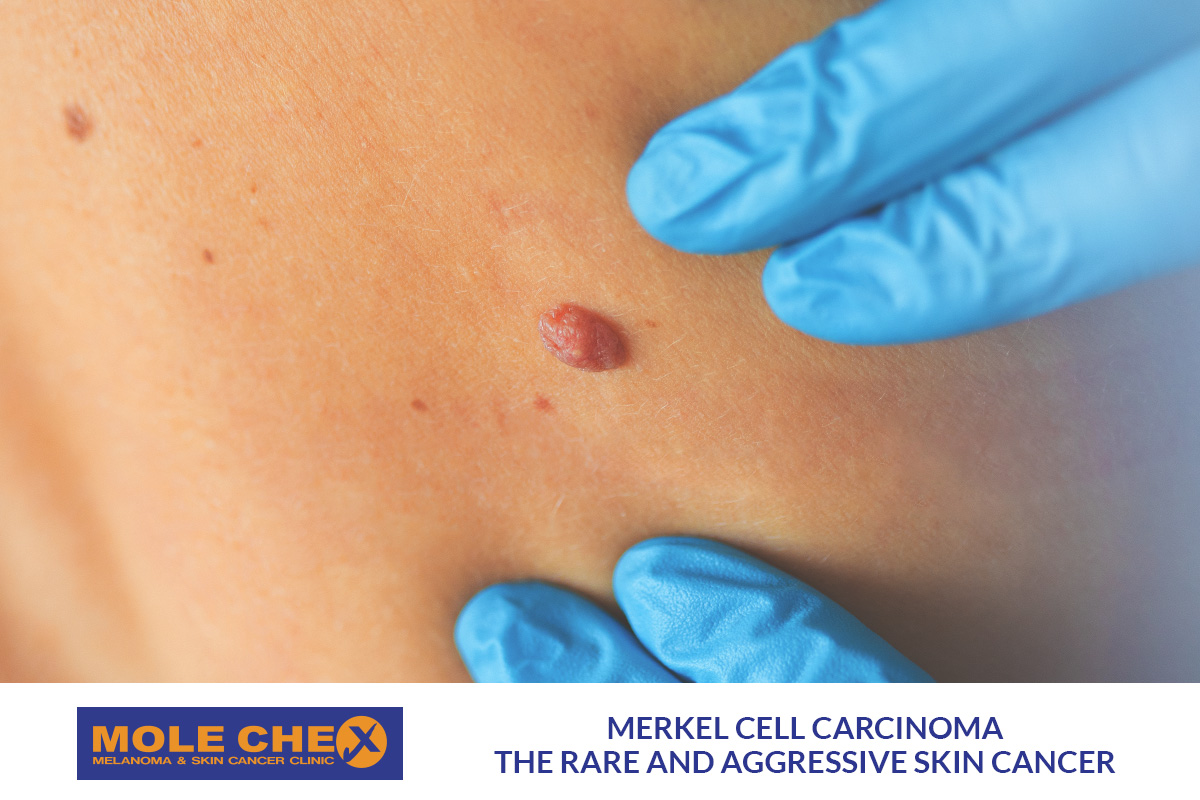
Merkel cell cancer is a rare but highly aggressive form of skin cancer. It can spread quickly and is often overlooked in its early stages. Although uncommon, this cancer demands attention especially for people living in sunny regions like Brisbane. In this article, we explore the causes, symptoms, risk factors, diagnosis, treatment options and prevention strategies for Merkel cell carcinoma.
What You’ll Learn in This Article
- What Merkel cell carcinoma is and how it develops
- Common symptoms and skin changes to look out for
- Risk factors for Merkel cell skin cancer
- How skin cancer specialists diagnose and treat Merkel cell carcinoma
- How to lower your risk with sun protection and regular skin checks
What Is Merkel Cell Carcinoma?
Merkel cell carcinoma (MCC) is a rare type of skin cancer that develops in Merkel cells, which sit in the outermost layer of the skin near nerve endings. These cells normally assist with touch sensation. However, under certain conditions, they can become cancerous and form fast-growing tumours.
In most cases, MCC appears on sun-exposed areas such as the face, scalp, neck and arms. The majority of cases (around 80%) are linked to Merkel cell polyomavirus (MCV), which triggers abnormal cell growth. Other contributing factors include cumulative UV damage, ageing and immune system suppression.
What Does Merkel Cell Carcinoma Look Like?
Merkel cell carcinoma usually appears as a painless, firm, red or purple nodule on the skin. The lesion often grows rapidly and does not itch or bleed in early stages.
Unlike common skin cancers such as basal cell carcinoma or squamous cell carcinoma, MCC spreads aggressively. It often reaches the lymph nodes, lungs, bones or brain before diagnosis. Nearly half of all cases already show signs of metastasis when first identified. That’s why early detection through a professional skin cancer check is vital.
Risk Factors: Who Is Most at Risk?
People at higher risk for Merkel cell carcinoma often fall into the following categories:
- Age over 65 years
- Fair skin and history of sunburn or excessive UV exposure
- Regular use of tanning beds
- Personal or family history of skin cancer
- Male gender (twice the risk compared to females)
- Immunosuppression due to HIV, chronic disease or medications such as corticosteroids or post-transplant immunosuppressants
If you live in Queensland or areas with high UV exposure, these risks are amplified. Annual skin checks with a skin cancer GP are strongly recommended for high-risk groups.
How Do Doctors Diagnose Merkel Cell Carcinoma?
A skin cancer doctor or dermatologist usually begins with a physical examination and a skin biopsy. During the biopsy, a small section of the lesion is removed and analysed under a microscope to confirm the diagnosis.
Once Merkel cell carcinoma is confirmed, further tests including CT scans, PET scans or lymph node biopsies help determine how far the cancer has spread. This staging process is essential to developing an effective treatment plan.
Treatment Options for Merkel Cell Carcinoma
The choice of treatment for MCC depends on the size and location of the tumour and whether it has metastasised. Skin cancer clinics typically follow these approaches:
Surgical Excision:
If the cancer is localised, doctors will remove the tumour along with surrounding tissue. Surgery aims to achieve clear margins and reduce the chance of recurrence.
Radiation Therapy:
Often used after surgery or in cases where surgery is not possible, radiation targets and destroys remaining cancer cells.
Chemotherapy:
Used primarily in advanced stages, chemotherapy may be less effective than other treatments but can slow cancer progression.
Immunotherapy:
Emerging as a promising treatment, immunotherapy helps the body’s immune system recognise and attack cancer cells. It may be used for patients with recurrent or metastatic Merkel cell cancer.
Because of its aggressive nature, ongoing follow-up care is essential. Patients should attend regular appointments with a skin cancer specialist.
How to Prevent Merkel Cell Carcinoma in Australia
Australians face one of the highest skin cancer rates in the world due to our UV-rich climate. You can significantly reduce your risk of MCC with these steps:
- Apply SPF 30+ broad-spectrum sunscreen daily, even in winter
- Wear sun-protective clothing and wide-brim hats
- Avoid tanning beds completely
- Seek shade during peak UV hours (10 am to 4 pm)
- Perform regular skin self-checks
- Book annual full-body skin cancer checks with a qualified GP or skin clinic like Molechex
Early detection is the most effective way to manage skin cancer including rare types like MCC.
Conclusion: Stay Informed, Stay Protected
Merkel cell carcinoma is rare, but when it occurs, it spreads fast and can be deadly without early intervention. For Brisbane residents and Australians living in sun-drenched regions, the best defence is knowledge, sun safety and consistent skin cancer surveillance. At Molechex, we specialise in skin cancer detection, diagnosis and management. Our experienced Brisbane-based GPs offer thorough skin checks, surgical and non-surgical treatments and individualised care. Whether you are due for your annual skin check or concerned about a suspicious spot, our skin cancer doctors are here to help you take control of your skin health.
Learn more by reading other articles :