
Actinic Keratosis: Know About This Common Skin Warning Sign
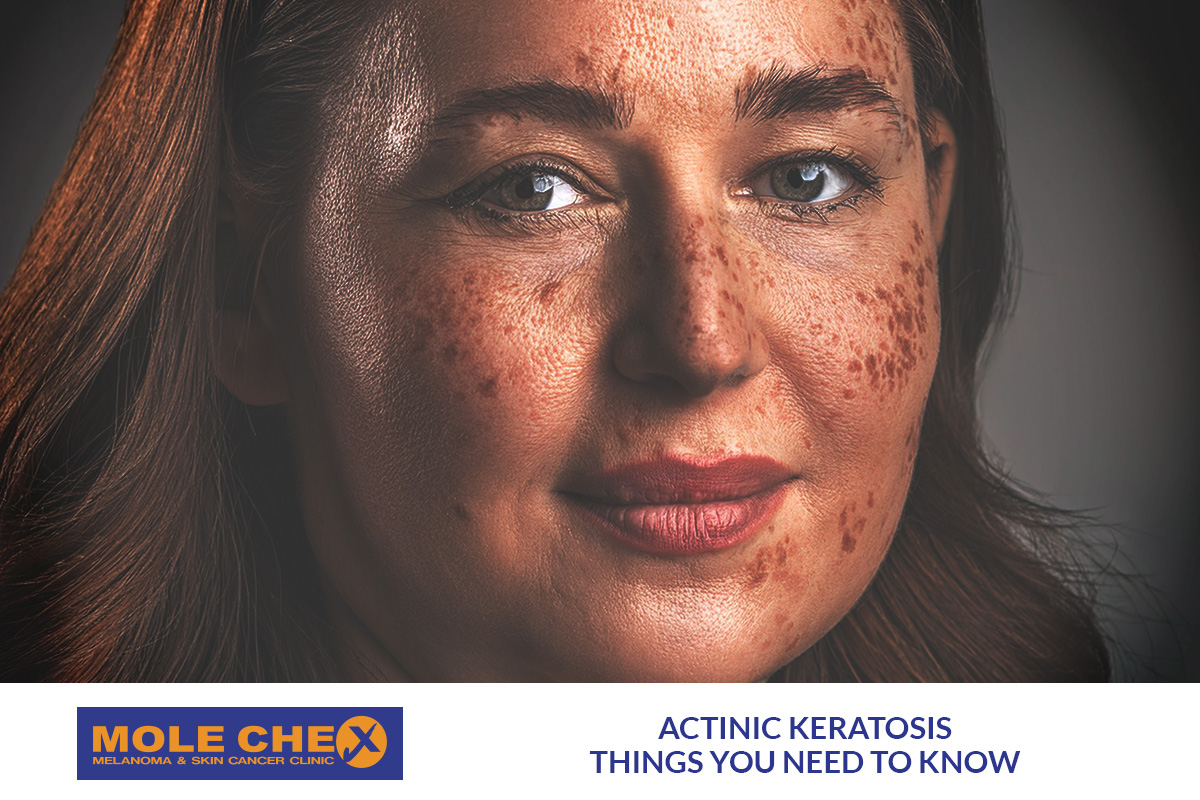
Actinic keratosis (AK), also known as solar keratosis, is one of the most common precancerous skin conditions in Australia. It appears as rough, scaly patches on sun-exposed areas of the body and serves as a warning sign of potential skin cancer, particularly squamous cell carcinoma. Given the high UV exposure in regions like Brisbane, QLD, early detection and treatment are essential.
This guide explores the causes, symptoms, risks, treatment options and prevention strategies for actinic keratosis empowering you to protect your skin and maintain long-term skin health.
What You will Learn
This article will cover:
- What actinic keratosis is and how it forms
- Key symptoms and affected skin areas
- Risks of progression to skin cancer
- Proven treatments for actinic keratosis
- Tips for prevention and sun protection
These insights are particularly relevant for anyone living in sunny climates, those seeking skin cancer checks in Brisbane or individuals looking to consult a GP with experience in skin health.
What Is Actinic Keratosis?
Actinic keratosis is a rough, scaly growth that develops due to long-term exposure to ultraviolet (UV) radiation from the sun or tanning beds. This UV damage alters skin cells, especially in individuals with fair skin, light hair or a history of sunburns.
These lesions most commonly appear on the:
- Face
- Scalp
- Ears
- Neck
- Forearms
- Backs of hands
Although actinic keratosis is not a form of skin cancer itself, it is classified as a precancerous skin lesion. If left untreated, it can evolve into squamous cell carcinoma, a serious and potentially invasive form of skin cancer.
Signs and Symptoms of Actinic Keratosis
Recognising the early signs of actinic keratosis helps with timely intervention. Common symptoms include:
- Persistent dry, rough or sandpaper-like patches
- Slightly raised or flat areas with a pink, red or skin-toned appearance
- Itching, tenderness or mild discomfort
- Flaking, crusting or occasional bleeding
These symptoms typically appear in adults over 40, but younger individuals with extensive sun exposure may also develop lesions.
If you notice any of these changes, especially on sun-exposed areas, schedule a comprehensive skin check with a qualified provider.
Why Early Treatment Matters
Left untreated, actinic keratosis may progress to squamous cell carcinoma. Research shows that up to 20% of untreated lesions can become cancerous over time.
Actinic keratosis is not just a cosmetic issue it is a clinical marker of chronic sun damage and increased risk of skin cancer in Australia. Early treatment minimises complications and can prevent the need for more invasive procedures in the future.
Treatment Options for Actinic Keratosis
A variety of effective, medically-approved treatments are available for actinic keratosis. A tailored treatment plan will depend on the size, number and location of lesions as well as your skin type. These include:
Cryotherapy
A fast and widely used treatment that involves freezing the lesion with liquid nitrogen, leading to cell destruction and shedding.
Topical Prescription Creams
Medications are applied to the skin to trigger an immune response or destroy damaged cells.
Photodynamic Therapy (PDT)
A light-activated treatment that selectively targets abnormal cells using a photosensitising cream and controlled light exposure.
Chemical Peels
Medical-grade chemical solutions exfoliate the top layer of skin, effectively removing actinic keratosis and improving skin texture.
Laser Therapy
Advanced laser treatments precisely remove affected skin areas with minimal downtime and scarring.
These treatments are typically performed by GPs with specialised training in skin cancer treatment or cosmetic skin procedures.
How to Prevent Actinic Keratosis
Prevention is key to reducing your risk of actinic keratosis and non-melanoma skin cancers. Here’s how to stay protected in everyday life:
- Apply a broad-spectrum SPF 30+ sunscreen daily, even in winter or overcast conditions
- Wear sun-protective clothing, wide-brimmed hats and sunglasses
- Seek shade between 10 a.m. and 4 p.m. when UV levels are highest
- Avoid artificial tanning and excessive sun exposure
- Perform monthly skin self-checks and note any changes
- Book annual full-body skin cancer checks in Brisbane with experienced practitioners
Practising sun safety is especially important for outdoor workers, sports enthusiasts and those with fair or sun-sensitive skin.
About Molechex
Molechex is a Brisbane-based skin cancer and cosmetic care clinic led by GPs with specialised training in skin cancer diagnosis, treatment and prevention. We focus on delivering thorough skin checks, advanced treatment options like photodynamic therapy and cosmetic skin services tailored to your health and aesthetic needs. Our experienced team is committed to early detection, personalised care and long-term skin wellness.
Final Thoughts
Actinic keratosis is a visible sign that your skin has undergone long-term UV damage. Although it may appear minor, it holds significant clinical importance as a marker for skin cancer risk. Thankfully, with early diagnosis and professional treatment, actinic keratosis is highly manageable. Whether you are concerned about a spot on your skin or simply want to stay on top of your health, do not ignore the early signs. Regular skin checks in Brisbane and proactive sun protection are essential steps in preserving your skin’s health and reducing the risk of skin cancer.
Learn more by reading other articles :