
Eyelid Surgery (Blepharoplasty): A Guide
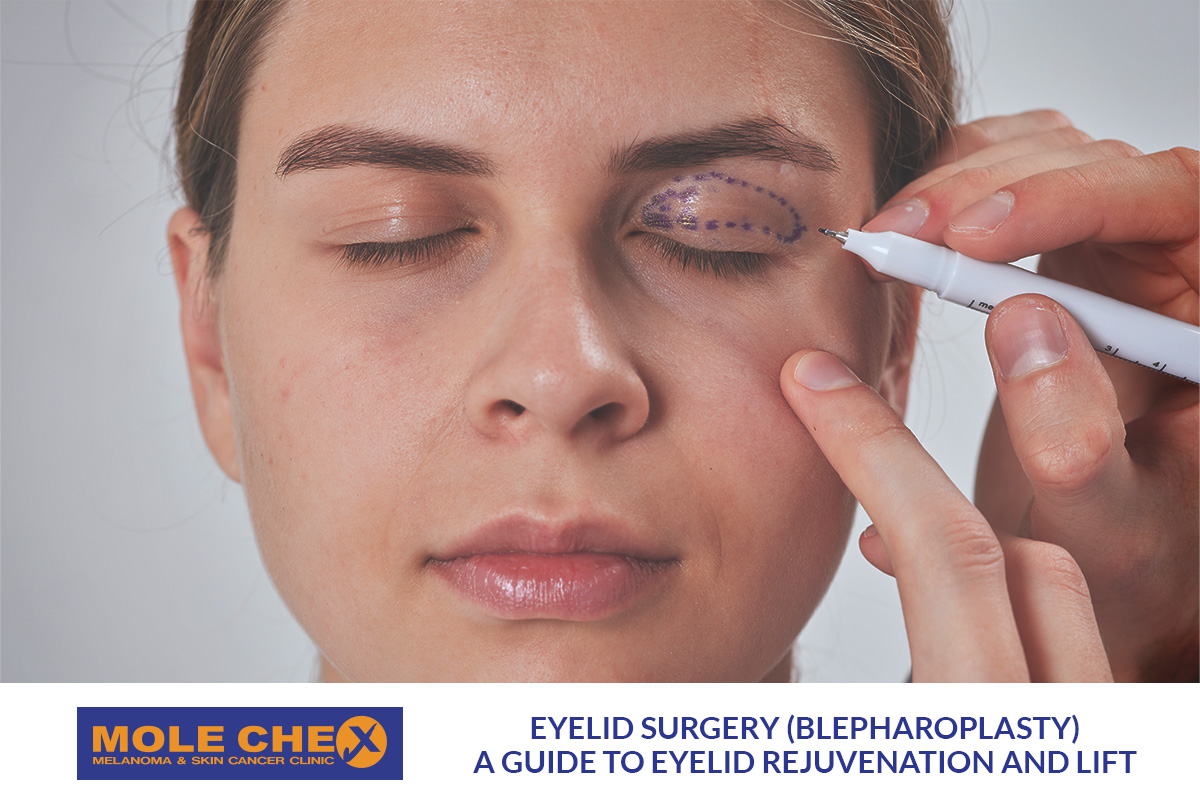
Are you noticing drooping eyelids or persistent under-eye bags? These changes are common as we age and can affect both your appearance and vision. Eyelid surgery, also known as blepharoplasty, is a safe and effective procedure that removes or tightens excess eyelid skin and fat. Whether you are seeking a cosmetic eyelid lift or medical relief from sagging lids, this guide explains what to expect and how professional care can help restore a youthful, refreshed look.
What This Article Covers
- What eyelid surgery (blepharoplasty) involves
- Differences between upper and lower eyelid procedures
- Cosmetic and medical benefits of an eyelid lift
- Who qualifies for blepharoplasty
- The surgical process step by step
- Post-operative recovery and healing tips
- Risks and safety considerations
- Eyelid treatment support at Molechex
What Is Eyelid Surgery?
Eyelid surgery or blepharoplasty, is a cosmetic and functional procedure that removes excess skin, fat and sometimes muscle from the eyelids. Many people choose this procedure to address sagging upper eyelids or puffy lower eyelids, both of which can contribute to a tired or aged look.
In some cases, drooping eyelid skin (dermatochalasis) can impair vision. When this occurs, blepharoplasty becomes a medical necessity to restore normal sightlines.
Types of Eyelid Surgery
Depending on your individual needs, you may undergo either upper or lower eyelid surgery or a combination of both.
Upper Eyelid Blepharoplasty
Upper eyelid surgery corrects sagging skin that causes hooded eyelids or obstructs vision. The surgeon places a small incision along the natural crease, removes excess tissue and reshapes the eyelid for a more open, alert appearance.
Lower Eyelid Blepharoplasty
This procedure targets under-eye puffiness, bags or loose skin. The surgeon makes an incision either just below the lash line or inside the lower eyelid. Fat may be removed or repositioned to smooth out the under-eye contour.
Benefits of Eyelid Lift Surgery
Choosing blepharoplasty can deliver a wide range of cosmetic and medical benefits:
- Brighter, more youthful appearance
- Improved peripheral vision when sagging skin is obstructive
- Removal of under-eye bags and puffiness
- Long-lasting results, often 5 to 10 years or more
- Minimal scarring, as incisions are well-hidden
- Boosted confidence in your everyday appearance
Eyelid lift surgery remains one of the most sought-after facial cosmetic procedures due to its subtle yet powerful results.
Am I a Good Candidate for Blepharoplasty?
You may be suitable for blepharoplasty if you:
- Have sagging eyelid skin or persistent puffiness
- Experience visual obstruction due to drooping upper lids
- Are generally healthy and do not smoke
- Have realistic expectations about surgical outcomes
- Are concerned about facial ageing around the eyes
If under-eye bags or eyelid drooping run in your family, you may notice these concerns earlier in life. Blepharoplasty can be effective even for younger adults seeking cosmetic improvement.
What to Expect During the Eyelid Surgery Procedure
Before Surgery
You will meet with a qualified practitioner to discuss your goals, review your health history and plan the procedure. Photos of your eyes may be taken for pre- and post-surgical comparison.
During Surgery
Blepharoplasty typically takes 1 to 2 hours and may involve local anaesthesia with sedation or general anaesthesia. Surgeons place incisions carefully along natural creases or inside the eyelid. They remove or reshape skin and fat to achieve a smoother, tighter eyelid contour.
Recovery and Aftercare for Eyelid Surgery
Most patients recover well after blepharoplasty. While you may experience swelling, bruising and mild discomfort in the first few days, these symptoms generally resolve within two weeks.
Aftercare Tips for Better Healing:
- Use cold compresses to reduce swelling
- Keep your head elevated when resting
- Avoid makeup and strenuous activity for 7 to 10 days
- Follow all wound care instructions
- Wear sunglasses to protect the eyes from sunlight and wind
You will likely return to light activities within a week and visible results will continue to improve over the following months.
Are There Any Risks?
Although eyelid surgery is a routine and low-risk procedure, potential complications include:
- Infection or bleeding
- Temporary dry or irritated eyes
- Difficulty fully closing the eyelids
- Minor asymmetry or scarring
- Reactions to anaesthesia
Choosing an experienced, medically trained provider minimises these risks. Your doctor will outline all safety protocols and recovery expectations during your consultation.
How Molechex Supports Your Eyelid Treatment Journey
At Molechex, we offer trusted care for those considering eyelid surgery. Our team includes experienced GPs and skin-focused professionals who provide thorough assessments, personalised treatment recommendations and comprehensive aftercare support.
Conclusion
Eyelid surgery (blepharoplasty) offers a reliable way to rejuvenate your appearance and, in some cases, restore clear vision. With the right provider and a tailored care plan, you can enjoy lasting improvements and renewed confidence in how you look and feel. At Molechex, we are here to support every step of your eyelid treatment journey with Professional care and personal attention.
Learn more by reading other articles :