
The Invisible Risk: Why Teenagers Need a Skin Check Before Heading to School Formals and Festivals
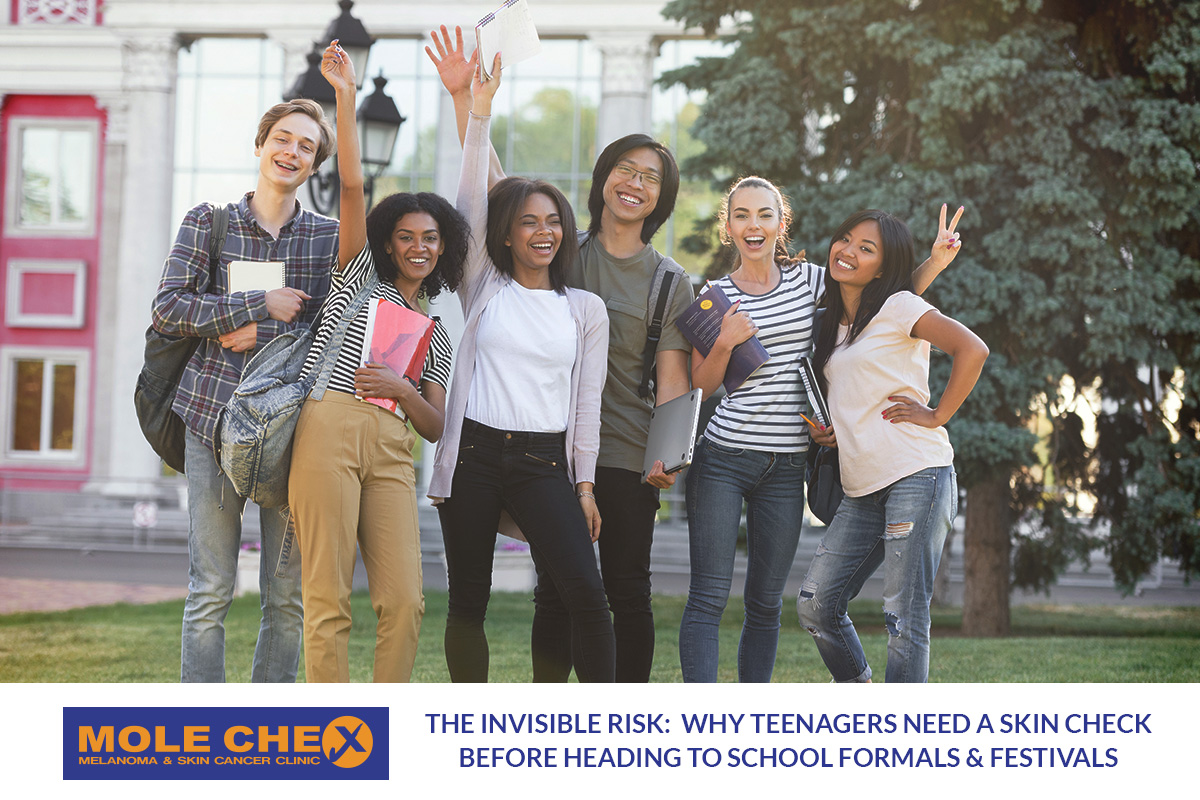
School formals and music festivals often involve much more than the main event. There may be outdoor photos, daytime gatherings, beach trips, sporting events and celebrations with friends. In Brisbane, these activities can mean significant exposure to ultraviolet radiation.
For teenagers, repeated episodes of intense sun exposure deserve attention. Adolescence is an important period for developing lifelong sun protection habits. It is also a useful time for teenagers to become familiar with their own skin.
A teens skin check in Brisbane before the busy formal or festival season can support that awareness. It can help identify existing spots that need assessment and establish a baseline for future monitoring.
Why Sun Exposure During the Teenage Years Matters?
Skin remembers UV exposure, even when a sunburn disappears within days.
Research reviewed by Cancer Council Australia shows that sun exposure during childhood and adolescence can influence future skin cancer risk. Intense, intermittent exposure is particularly relevant to melanoma risk. Blistering sunburn during the teenage years has also been associated with increased melanoma risk later in life.
Intermittent exposure can happen when someone spends most days indoors but occasionally receives a large amount of UV radiation.
Think about a teenager who spends the school week in classrooms. They then attend an outdoor festival for several hours without adequate protection. Another example is a formal weekend followed by beach activities or an outdoor party.
These occasional high-exposure days can add to a person’s lifetime UV exposure. That does not mean every sunburn will lead to melanoma. It does mean reducing unnecessary UV exposure during adolescence matters.
Why Parents Should Think Beyond the Formal Night?
A school formal itself may happen indoors and after sunset. However, the celebrations surrounding it can start much earlier.
Teenagers may spend hours outside while taking photographs. They might attend pre-formal gatherings, travel during the afternoon or celebrate outdoors the following day.
Festivals can create an even greater challenge. Shade may be limited, and teenagers can lose track of time while enjoying the event.
UV radiation can also be strong when the weather feels comfortable. Heat and UV are not the same thing. A mild or cloudy Brisbane day can still require sun protection.
Parents can help teenagers think about the whole day rather than only the evening event.
What Does a teens Skin Check Before an Event Actually Do?
A skin check cannot prevent UV damage from a future festival or formal. Sun protection remains the key prevention measure during outdoor activities.
However, a professional skin check can serve another important purpose.
It gives a doctor an opportunity to examine existing moles, freckles and lesions. The consultation can also help identify areas that may require closer monitoring.
At Molechex, comprehensive skin checks form part of our skin cancer detection and management services. Our Brisbane doctors have undertaken additional training in skin cancer medicine, and the clinics use dermoscopy as part of skin assessment. Molechex provides skin cancer services across Annerley, Carindale and Coorparoo Junction.
For a teenager, the consultation can also start an important conversation about knowing their own skin.
Which Teenagers May Need Closer Attention?
There is no single teens skin check schedule that suits every teenager. Individual risk can vary considerably.
Parents should consider discussing skin monitoring with a doctor when a teenager has factors such as:
🔎 Many moles or unusual-looking moles, particularly if one looks different from the others.
☀️ A history of significant sunburn, including blistering sunburn.
👨👩👧 A personal or family history of melanoma or skin cancer.
🧢 Frequent outdoor activity, including sport, festivals, beach trips or outdoor work.
🔍 A mole or spot that has recently changed in size, colour, shape or appearance.
A sore that does not heal, persistent bleeding or another unexplained skin change also deserves medical assessment.
Parents do not need to diagnose the problem themselves. If something looks different or has changed, a medical assessment can help determine the next step.
Teach Teenagers the “Different or Changing” Rule
Teenagers often know every detail of their favourite social media account but rarely examine their own skin.
Parents can help change that without making skin monitoring frightening. Encourage teenagers to notice what is normal for them. They should pay attention to new spots and changes in existing moles.
A mole may deserve assessment if it starts changing in shape, colour or size. Persistent itching, bleeding or an unusual appearance can also justify medical advice.
The aim is not constant checking or anxiety. It is familiarity. When teenagers know what their skin normally looks like, they may find it easier to notice a meaningful change.
Festival Sun Safety Starts Before Leaving Home
A skin check should sit alongside practical sun protection. Before an outdoor festival, school celebration or daytime formal activity, teenagers should check the expected UV level. When sun protection is required, encourage them to use several forms of protection together.
That may include suitable protective clothing, a broad-brimmed hat, shade, sunglasses and broad-spectrum sunscreen. Sunscreen should be applied correctly and reapplied according to the product directions.
Planning matters because teenagers may not want to leave a festival crowd simply to find shade or buy sunscreen. Packing sun protection before leaving home makes good choices easier.
Make Skin Health Part of Preparing for Milestone Events
Parents already help teenagers prepare for major occasions.
There are outfits to organise, transport plans to confirm and tickets to remember. Skin health can become another simple part of that preparation. A formal or festival season can provide a natural reminder to talk about sun protection. It can also prompt a teenager to check whether anything on their skin has changed.
This approach shifts the conversation away from fear. Instead, skin awareness becomes a normal health habit, much like dental checks or maintaining good sleep habits.
Those habits can continue long after the school formal photographs have been stored away.
Brisbane Teens Live with High UV Exposure
Brisbane’s outdoor lifestyle is one of the city’s great attractions. Teenagers can enjoy sport, beaches, festivals and social events throughout much of the year.
That lifestyle also makes UV awareness important. Sun protection should not mean avoiding outdoor life. It means enjoying it with sensible precautions.
Parents have an opportunity to influence these behaviours before teenagers become independent adults. A simple discussion about sunscreen, shade and changing moles today may help establish habits that continue for decades.
How Molechex Can Help Brisbane Families with teens skin check?
Molechex Skin Cancer and Melanoma Clinic provide comprehensive skin checks and skin cancer assessment in Brisbane. Our doctors have undertaken advanced training in skin cancer, with clinics located in Annerley, Carindale and Coorparoo Junction. No referral is required for a skin consultation.
For parents concerned about a teenager’s mole, previous sun exposure or changing skin lesion, a consultation provides an opportunity for professional assessment. A doctor can review the area and discuss appropriate monitoring based on the teenager’s individual circumstances.
A pre-formal or pre-festival skin check should not create a false sense of protection from future UV exposure. Instead, it can form part of a broader routine that combines professional assessment, skin awareness and everyday sun protection.
For Brisbane families, the weeks before school formals, festivals and summer celebrations can be a useful reminder: check the outfit, check the sunscreen and consider whether it is also time to check the skin.
*Note: The information in the article is for information purposes only. This information is general in nature and does not replace professional medical advice. Please seek doctors’ appointment for actual treatment or medical condition.
Learn more by reading other articles :