
First-Time Mole Mapping in Brisbane: What to Expect
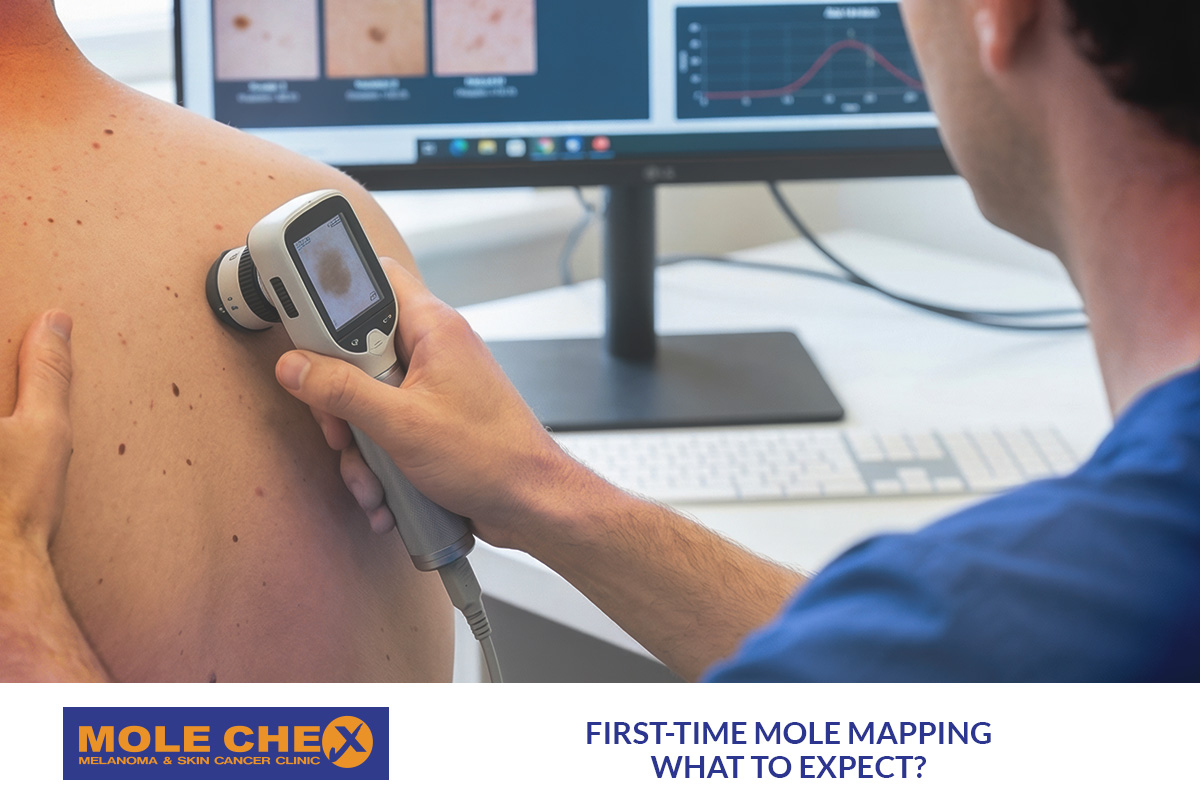
A first mole mapping appointment can feel unfamiliar. However, the process is straightforward, non-invasive and focused on careful skin monitoring. Mole mapping records selected moles, or broader skin areas, with clinical photography and dermoscopic images. These images create a baseline for future comparison.
Mole mapping does not diagnose every skin cancer. It also does not replace a full skin examination or biopsy. Instead, it supports clinical assessment and ongoing surveillance. This may help people with many moles or increased melanoma risk.
What Is Mole Mapping?
Mole mapping is a structured way to document your skin. It may include total body photography, close-up photographs and digital dermoscopy.
Total body photographs show the location and overall pattern of moles. Close-up images record spots that need monitoring. Dermoscopic images reveal structures below the skin’s surface. A trained doctor reviews these features alongside your history and physical examination.
Cancer Council Australia lists dermoscopy and total body photography among the tools used when assessing melanoma. Australian clinical guidance also supports total body photography for people at increased melanoma risk. This includes people with many or atypical moles.
Why Create a Baseline?
Memory cannot reliably track every spot. Lighting, mirrors and camera angles can also make home comparisons difficult.
A baseline gives your doctor a fixed reference point. Later images can show changes in a mole’s size, shape, colour or internal pattern. They can also reveal a new lesion.
Not every change means skin cancer. Moles can change for harmless reasons. However, documented change helps your doctor decide whether a lesion needs monitoring or biopsy.
Mole mapping may also help people with many similar-looking moles. One unusual spot may stand out during comparison. Doctors often call this the “ugly duckling” pattern.
Who May Benefit From Mole Mapping?
Mole mapping does not suit everyone in the same way. Your doctor should assess your individual risk.
It may help people with:
- Many moles across the body
- Large, irregular or atypical moles
- A personal or strong family history of melanoma
- Fair skin and substantial sun exposure
- Repeated sunburns, especially earlier in life
- Moles in areas that are difficult to check
- Immune suppression or another relevant medical risk
Cancer Council Australia recommends regular clinical skin examinations for people at higher risk. It also supports total body photography and dermoscopy for people at high melanoma risk. Timing should reflect personal circumstances.
What Happens Before the Images?
Your first visit usually starts with questions. The doctor may ask about previous skin cancers, family history and sun exposure. They may also ask about changes you have noticed.
Mention any lesion that has grown, changed, bled, crusted or become uncomfortable. Point out spots on the scalp, feet, nails and covered areas.
The doctor may recommend a head-to-toe examination. At Molechex, an initial skin consultation can include areas not normally exposed to sunlight. A doctor may also use a handheld dermatoscope on suspicious spots.
How Should You Prepare?
Wear clothing that you can remove easily. Follow the clinic’s instructions about underwear and photography.
Avoid heavy makeup when you want your face examined. Makeup can hide subtle colours and surface features. Remove nail polish when you have a nail concern.
Arrive with time to complete new-patient paperwork. Bring your Medicare card and relevant medical information. Molechex advises outdoor workers to arrive with clean skin. Dirt or grease can cover lesions and affect the examination.
What Happens During Mole Mapping?
The exact process depends on your risk and the clinic’s system. Your doctor may not photograph every mole.
First, the clinician checks your skin under good lighting. They note spots that look different or need monitoring.
Next, standardised photographs may capture sections of your body. Consistent positions and lighting make later comparison easier.
The doctor may then photograph selected lesions at close range. Dermoscopic images can record pigment patterns, blood vessels and other structures.
Finally, the doctor reviews the findings. Some lesions may only need routine monitoring. Others may need a shorter review interval. A suspicious lesion may require biopsy or removal for pathology.
A photograph alone cannot confirm melanoma. Cancer Council Australia identifies excision biopsy as the test that confirms melanoma. Pathology can also provide information about the melanoma’s depth.
Is Mole Mapping Painful?
Photography and dermoscopy should not hurt. The camera does not cut the skin or deliver radiation.
You may need to change position several times. Tell the team about pain, balance concerns or limited movement. They can adjust the process where practical.
A biopsy is a separate procedure. Your doctor will explain why it may help and what happens next.
What Happens After the First Appointment?
Your first images become the baseline for later comparisons. The doctor will suggest follow-up based on your findings and risk.
Some people need short-term monitoring of one lesion. Others may need longer-term digital surveillance. The interval should reflect individual needs.
Do not wait for a planned review when you notice a concerning change. Seek medical advice for a new spot, repeated bleeding or a sore that does not settle.
Continue self-checks between appointments. Check the scalp, back, soles, toes and nails. Ask someone you trust to help with areas you cannot see.
Mole mapping works best when the same areas receive consistent photographic coverage. However, it should never create false reassurance. A newly changing spot still needs medical assessment, even when it was not previously mapped.
Why Mole Mapping Matters in Brisbane?
Brisbane’s outdoor lifestyle can create frequent ultraviolet exposure. Gardening, sport, commuting and outdoor work can all add to lifetime exposure.
Mole mapping cannot prevent UV damage. Daily sun protection remains essential. However, a reliable visual record can support earlier attention to suspicious changes.
People often remember a severe sunburn. They may overlook the smaller amounts of exposure collected during ordinary routines. Previous UV exposure remains relevant when a doctor assesses your skin cancer risk.
Regular monitoring may prove particularly useful for people with changing skin patterns. It may also help those who find self-checking difficult because of numerous moles.
Does Everyone Need Annual Mole Mapping?
There is no single schedule that suits every Brisbane patient. Your doctor should consider your skin type, mole count and medical history.
They may also consider your family history, previous skin cancers and past UV exposure. Some people need frequent reviews. Others may need a different schedule.
Cancer Council Australia recommends six-monthly full skin examinations for people at high melanoma risk. These examinations may include total body photography and dermoscopy. People outside this group should discuss suitable checks with their doctor.
Mole mapping also differs from a quick photograph taken at home. Clinical images use consistent techniques and form part of a broader medical assessment.
Thoughts
A first mole mapping visit can create a useful starting point for ongoing skin care. It can also help you understand which changes matter. Most importantly, it supports informed medical review rather than guesswork.
Mole mapping works best within a broader skin health routine. Combine professional skin checks with self-examination and daily sun protection. Seek prompt medical advice whenever a spot changes or worries you.
*Note: The information in the article is for information purposes only. This information is general in nature and does not replace professional medical advice. Please seek doctors’ appointment for actual treatment or medical condition.
Learn more by reading other articles :