
Skin Cancer Risk After Removal: Follow-Up, Recurrence and Ongoing Skin Checks in Brisbane
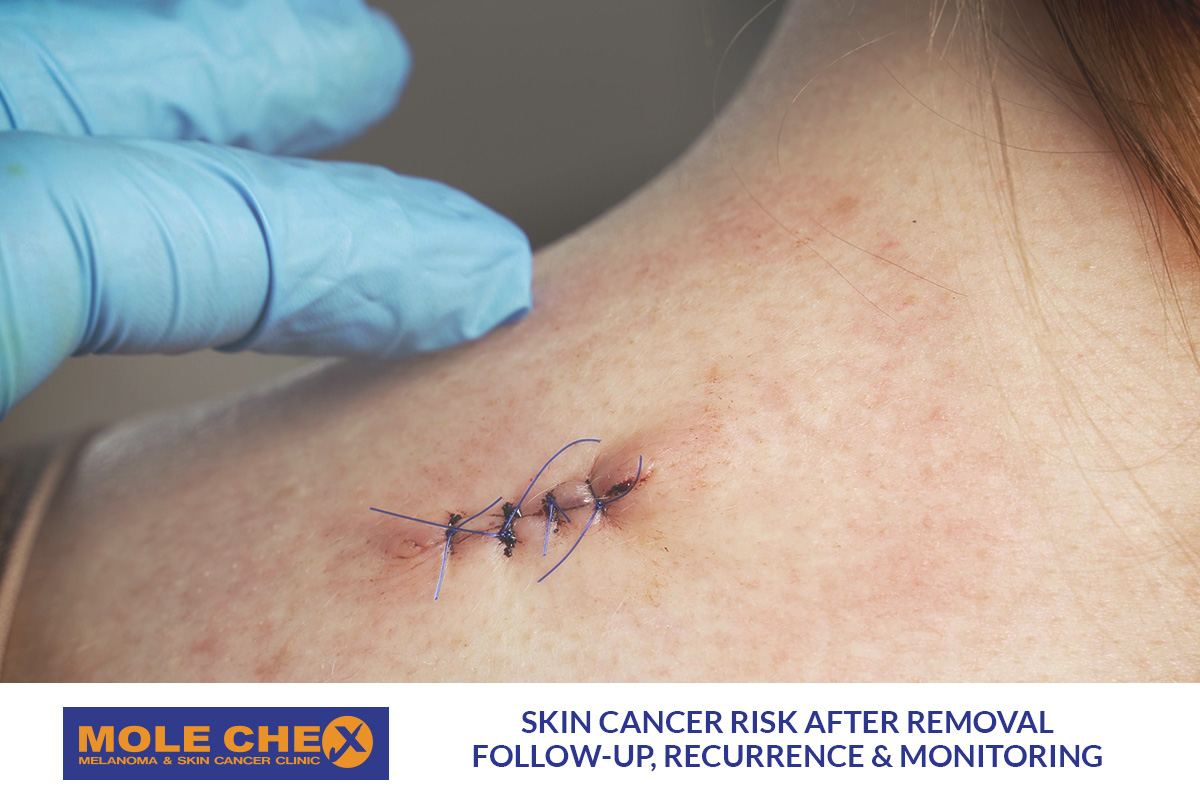
Skin cancer removal can bring relief, but treatment does not always mark the end of skin monitoring. After treatment, follow-up appointments help check the treated area, assess healing and look for suspicious new skin changes.
People who have previously had skin cancer face a higher risk of developing additional skin cancers. Follow-up schedules differ between patients because skin cancer type, stage, location, pathology findings and personal risk factors all matter. Cancer Council Australia advises that people treated for skin cancer need regular check-ups for recurrence and new cancers.
Can Skin Cancer Come Back After Removal?
Yes, skin cancer can return after removal, although the risk varies considerably from person to person.
There are two different issues to understand. The first is recurrence, when cancer returns at or near the original treatment site. The second is a new primary skin cancer, which develops separately from the cancer previously treated.
These situations are not the same. A new suspicious spot elsewhere on the body does not necessarily mean the original cancer has spread or returned.
Several factors can influence recurrence risk, including:
• The type of skin cancer diagnosed
• The cancer’s size, depth and location
• The stage at diagnosis
• Pathology features and treatment margins
• The treatment method used
• Previous skin cancer history
• Immune system function
• Ongoing ultraviolet radiation exposure
For melanoma, follow-up remains important because surveillance aims to identify both recurrence and new primary melanomas. Cancer Australia advises that follow-up after melanoma treatment can include examination of the skin and lymph nodes. Imaging may also form part of follow-up for some patients, depending on the original melanoma stage.
Why Does Skin Cancer Risk Remain After Treatment?
Removing one skin cancer does not remove the skin’s previous history of ultraviolet radiation exposure.
UV damage builds over time. People may have areas of sun-damaged skin that do not yet show obvious cancerous changes. This helps explain why someone with a previous skin cancer may later develop another lesion in a different location.
Risk also depends on individual factors. These may include fair skin, significant past sun exposure, a history of sunburn, multiple unusual moles, family history and immune suppression.
The RACGP highlights the role of GPs in identifying people at higher risk, supporting appropriate surveillance and providing personalised skin cancer prevention advice.
For Brisbane residents, practical sun protection remains relevant throughout the year. A previous diagnosis should be treated as a reason for informed, consistent monitoring rather than panic.
What Happens During Follow-Up After Skin Cancer Removal?
Your follow-up plan should reflect your individual diagnosis and medical history. There is no single schedule suitable for every person.
During a follow-up consultation, your doctor may:
• Examine the previous treatment site
• Check the scar and surrounding skin
• Assess new or changing spots
• Perform a broader skin examination when clinically appropriate
• Review pathology and treatment information
• Discuss self-checking between appointments
• Review sun protection habits
• Recommend further investigation when a lesion needs assessment
Cancer Council Australia notes that follow-up frequency can vary according to risk. Check-ups may occur every three to six months for some high-risk cancers, while lower-risk situations may involve annual review. Your doctor will advise what schedule is appropriate for your circumstances.
Follow-up intervals for melanoma can also depend on the original stage and individual risk. This is why personalised medical advice matters.
Warning Signs to Check After Skin Cancer Treatment
Between professional skin checks, remain aware of changes in your skin.
Check the previous treatment area and the rest of your skin. Seek medical assessment for a spot or lesion that is:
• New or noticeably changing
• Growing over time
• Changing in colour, shape or border
• Bleeding without a clear reason
• Repeatedly crusting or breaking down
• Not healing as expected
• Becoming persistently painful, itchy or tender
• Forming a new lump near a previous cancer site
These signs do not automatically mean cancer has returned. Many skin changes have non-cancerous causes. However, a changing or persistent lesion deserves professional assessment rather than self-diagnosis.
After melanoma treatment, patients may also receive advice about monitoring lymph nodes or reporting new lumps and other symptoms. The appropriate monitoring plan depends on the individual diagnosis.
Do You Still Need a Full Skin Check After One Cancer Is Removed?
For many people, ongoing skin surveillance is an important part of care.
A follow-up appointment should not focus only on the scar. A person can develop another primary skin cancer elsewhere. Cancer Council Australia states that people who have had skin cancer are at higher risk of developing more skin cancers.
Regular skin checks can help doctors assess areas that patients may find difficult to examine themselves, including the scalp, ears and back.
Self-checking also remains useful between appointments. It helps you become familiar with your normal pattern of spots and moles. This may make a new or changing lesion easier to notice.
Self-checks do not replace professional assessment. Instead, they form one part of ongoing skin awareness.
How Can Risk Be Managed After Skin Cancer Removal?
No strategy can remove every future risk. However, several practical steps can support ongoing skin health.
Protect your skin from UV radiation using appropriate clothing, shade, a broad-brimmed hat, sunglasses and sunscreen as part of a combined approach. Check the UV Index when planning outdoor activities.
Keep your recommended follow-up appointments and know your own skin between visits. Do not wait for a routine appointment when a lesion changes rapidly or causes concern.
Also keep records of previous skin cancer diagnoses and treatments where practical. This information can help when discussing your history with a doctor.
Most importantly, follow the surveillance plan recommended for your specific diagnosis. Someone treated for a lower-risk lesion may need a different approach from someone with melanoma or a higher-risk skin cancer.
Skin Cancer Follow-Up and Skin Checks at Molechex Brisbane
Molechex provides skin cancer detection, diagnosis, treatment and ongoing review services through its Brisbane clinics. The clinic also offers comprehensive skin checks and a range of medical and surgical skin cancer management options, depending on clinical assessment and individual patient needs.
Our team includes GPs with additional qualifications, certifications, training and areas of interest in skin cancer medicine, dermoscopy, skin cancer surgery, biopsies and skin cancer management.
We understand that follow-up after skin cancer treatment can raise questions. Patients may wonder whether a scar looks normal, how often they need checks or whether a new spot should be examined.
Our approach is to assess each patient’s circumstances and provide medical advice based on their history, examination findings and clinical needs.
Keep Skin Monitoring Part of Your Long-Term Health Routine
Skin cancer removal is an important milestone, but ongoing skin awareness still matters. Recurrence risk differs between cancers and patients, while a previous skin cancer can also indicate a higher risk of developing another skin cancer.
A clear follow-up plan can help you understand when checks are due and which changes need earlier attention. Regular skin checks, self-awareness and practical UV protection can all support long-term skin health.
For Brisbane patients with a previous skin cancer, melanoma history or a new changing spot, Molechex provides GP-led skin cancer checks, assessment and management services. A consultation can help establish an appropriate follow-up approach based on individual history and clinical findings.
*Note: The information in the article is for information purposes only. This information is general in nature and does not replace professional medical advice. Please seek doctors’ appointment for actual treatment or medical condition.
Learn more by reading other articles :