
Best Advice for a First-Time Skin Cancer Diagnosis
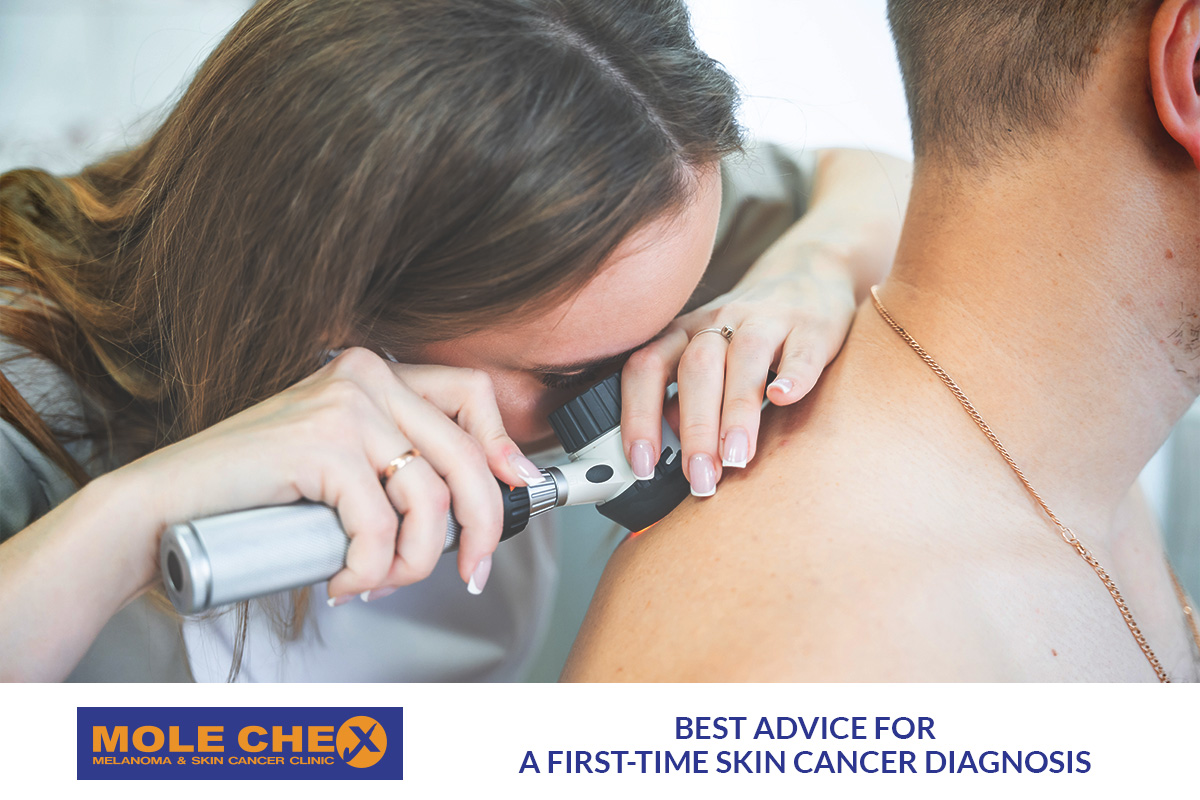
A first-time skin cancer diagnosis can be confronting. Whether you’ve been diagnosed with basal cell carcinoma, squamous cell carcinoma or melanoma, it’s essential to know what to do next. This comprehensive guide offers practical, medically informed advice for navigating your diagnosis, choosing the right treatment and protecting your skin’s future.
What You’ll Learn
This article explains:
- Immediate steps to take after a skin cancer diagnosis
- How to understand your type of skin cancer
- Treatment options available in Australia
- How to prepare for surgery or therapies
- Long-term skin protection and monitoring strategies
- Mental health tips for managing a cancer diagnosis
Understanding Your Skin Cancer Type
To manage skin cancer effectively, start by learning about your specific diagnosis. The most common types include:
Basal Cell Carcinoma (BCC)
This is the most frequently diagnosed skin cancer in Australia. It typically grows slowly and rarely spreads but can cause local tissue damage.
Squamous Cell Carcinoma (SCC)
More aggressive than BCC, SCC can spread if not treated early. It often presents as a rough or scaly patch that may bleed.
Melanoma
Although less common, melanoma is the most dangerous. It can spread quickly to other organs and requires prompt treatment.
Each type varies in risk and treatment approach. Early detection and intervention significantly improve outcomes.
What to Do Immediately After Diagnosis
Schedule a Consultation
As soon as you receive your biopsy results, book an appointment with a skin cancer doctor or dermatologist. Take notes and bring a support person if needed.
Ask the Right Questions
Go into your appointment prepared. Important questions to ask include:
- What type of skin cancer do I have?
- How deep or advanced is it?
- What treatment options are best for this type?
- What are the risks, costs and expected recovery times?
- How likely is the cancer to return?
Being informed empowers you to make the best decision for your health.
Explore Your Treatment Options
Australian patients have access to a wide range of skin cancer treatment options, depending on the type, location and severity:
Surgical Excision
A common treatment for most skin cancers, involving the removal of the lesion with a small margin of healthy skin.
Mohs Micrographic Surgery
Often used for facial lesions or recurrent skin cancers, Mohs surgery removes cancer layer by layer under microscopic guidance.
Cryotherapy
Used to freeze and destroy early-stage cancerous cells. This method is often chosen for superficial BCC or AK (actinic keratosis).
Topical Treatments
Prescription creams like imiquimod or 5-fluorouracil are applied directly to the skin for superficial cancers.
Radiation Therapy
Recommended when surgery isn’t suitable due to health concerns or cosmetic outcomes.
Immunotherapy or Targeted Therapy
These are newer treatments, generally reserved for advanced melanoma or metastatic skin cancers.
Your healthcare provider will tailor a plan based on your individual diagnosis and preferences.
How to Prepare for Treatment
Before undergoing treatment, take these steps:
- Arrange time off work or support at home during recovery
- Follow any pre-treatment care advice from your specialist
- Ask about wound care, post-treatment skincare and expected healing times
- Keep a medical folder with your reports and appointment schedule
Being organised helps reduce stress and ensures smoother treatment outcomes.
Long-Term Skin Monitoring is Essential
Schedule Regular Skin Checks
Australian dermatology guidelines recommend follow-up skin cancer checks every 3–6 months for the first two years after treatment. This ensures early detection if cancer recurs or new lesions develop.
Conduct Monthly Self-Exams
Use a full-length mirror and good lighting to inspect your entire body, including hard-to-see areas like the scalp, back and soles of your feet. Look for:
- New moles or growths
- Changes in size, shape or colour of existing spots
- Persistent sores or scaly patches
- Any lesion that bleeds, itches or doesn’t heal
If you notice any changes, book a review with a qualified skin cancer doctor promptly.
Commit to Sun Protection Daily
Sun exposure is the leading cause of skin cancer in Australia. After a diagnosis, protecting your skin is non-negotiable:
- Apply SPF 30+ broad-spectrum sunscreen daily
- Wear long-sleeved clothing, sunglasses and wide-brimmed hats
- Seek shade whenever possible, especially between 10 a.m. and 4 p.m.
- Avoid tanning beds and sunbaking
- Reapply sunscreen every two hours when outdoors
Good sun safety habits will protect against future UV-related damage and reduce recurrence risk.
Don’t Ignore Your Mental and Emotional Wellbeing
A cancer diagnosis affects more than just your body—it also impacts your emotional state. Common feelings include anxiety, fear, sadness and uncertainty.
Here’s how to manage:
- Speak with a psychologist or counsellor experienced in cancer care
- Connect with others through local or online skin cancer support groups
- Share your thoughts with close friends and family
- Practise relaxation techniques such as deep breathing, yoga or walking outdoors
Addressing emotional health helps you stay focused and proactive throughout your recovery.
Conclusion
A first-time skin cancer diagnosis can feel daunting, but you have the power to take control. By understanding your diagnosis, choosing appropriate treatment, protecting your skin daily and maintaining regular check-ups, you can manage your condition confidently.
Early action, informed choices and long-term skin awareness are your best tools to prevent future problems and protect your health.
About Molechex Skin Clinic
Molechex is a skin cancer and cosmetic care clinic based in Brisbane, specialising in the early detection, diagnosis and treatment of skin cancers. Led by experienced GPs with advanced training in dermatology, our team offers comprehensive full-body skin checks, surgical and non-surgical treatment options and personalised care for all skin types. Whether you are newly diagnosed or seeking preventative care, we support your skin health journey with evidence-based treatment plans and ongoing monitoring. At Molechex, we prioritise patient-first care and clinical precision to ensure the best outcomes for every individual.
Learn more by reading other articles :